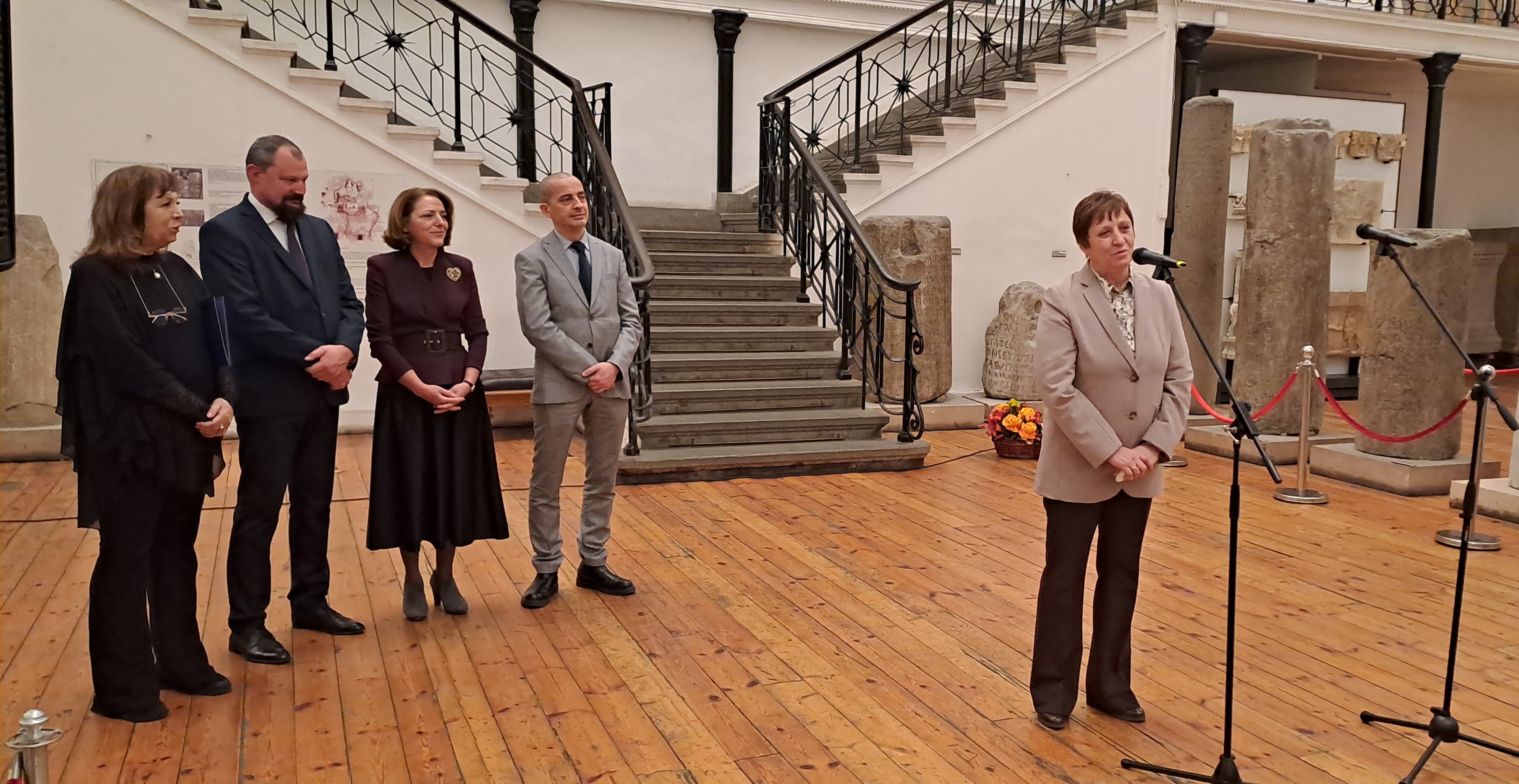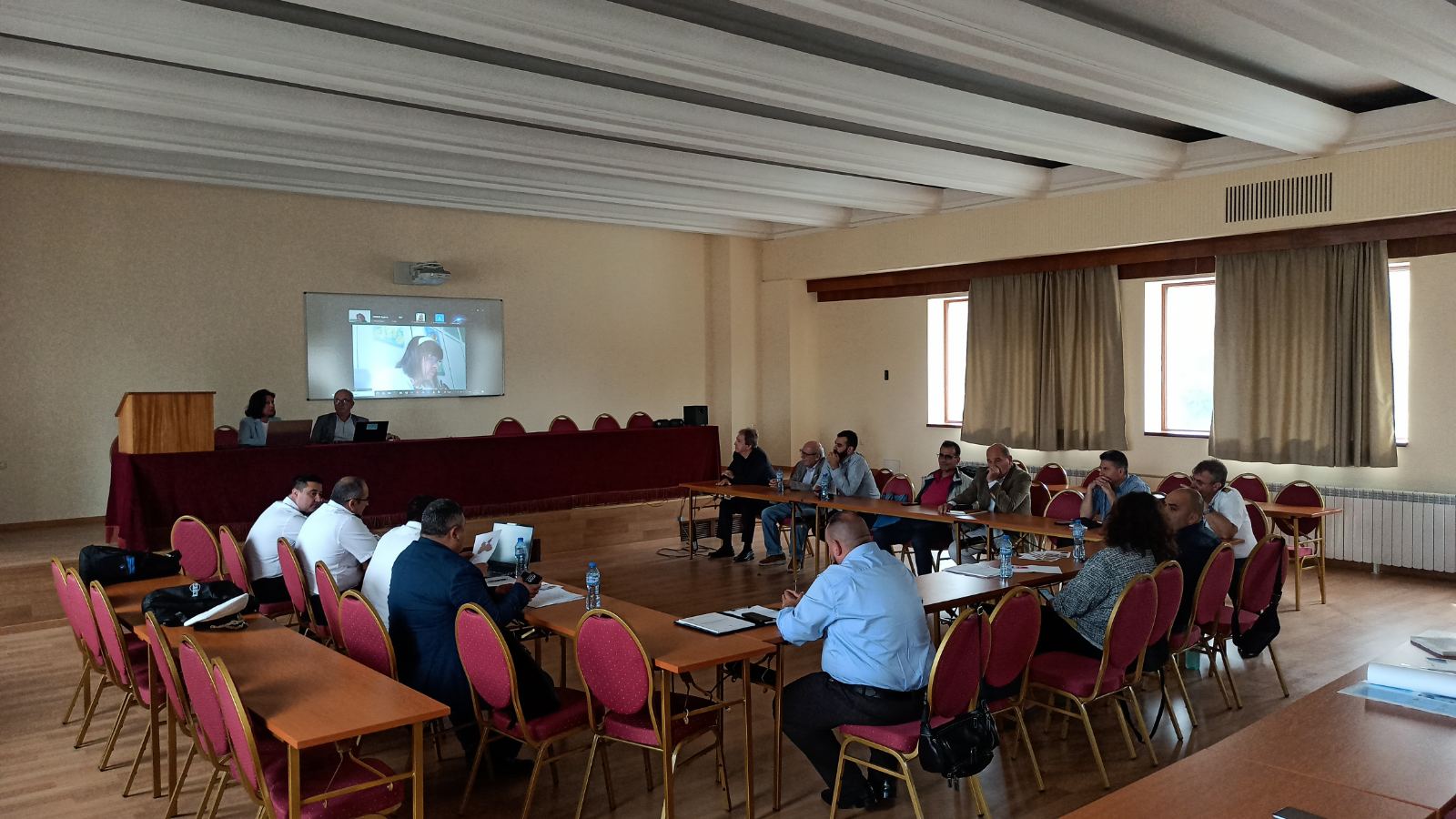

The President of BAS, Corr. Memb. Evelina Slavcheva, attended the opening of the “Bulgarian Archaeology 2025” exhibition organized by the National Archaeological Institute with Museum of BAS (NAIM-BAS). The exhibition showcases the most significant discoveries made by Bulgarian archaeologists over the past year and is traditionally held on the eve of Archaeologist’s Day which is celebrated on February 14.
NAIM Director Prof. Hristo Popov opened the exhibition and presented the exhibits that had been discovered and restored over the past two to three months. He recalled that Archaeologist’s Day was first celebrated 55 years ago.
“Archaeology is both a science and a craft. I have enormous respect for the people who practice this craft and who develop this wonderful science. I wish everyone to maintain the enthusiasm and love with which they work,” said the president of BAS, Prof. Slavcheva, in her speech.
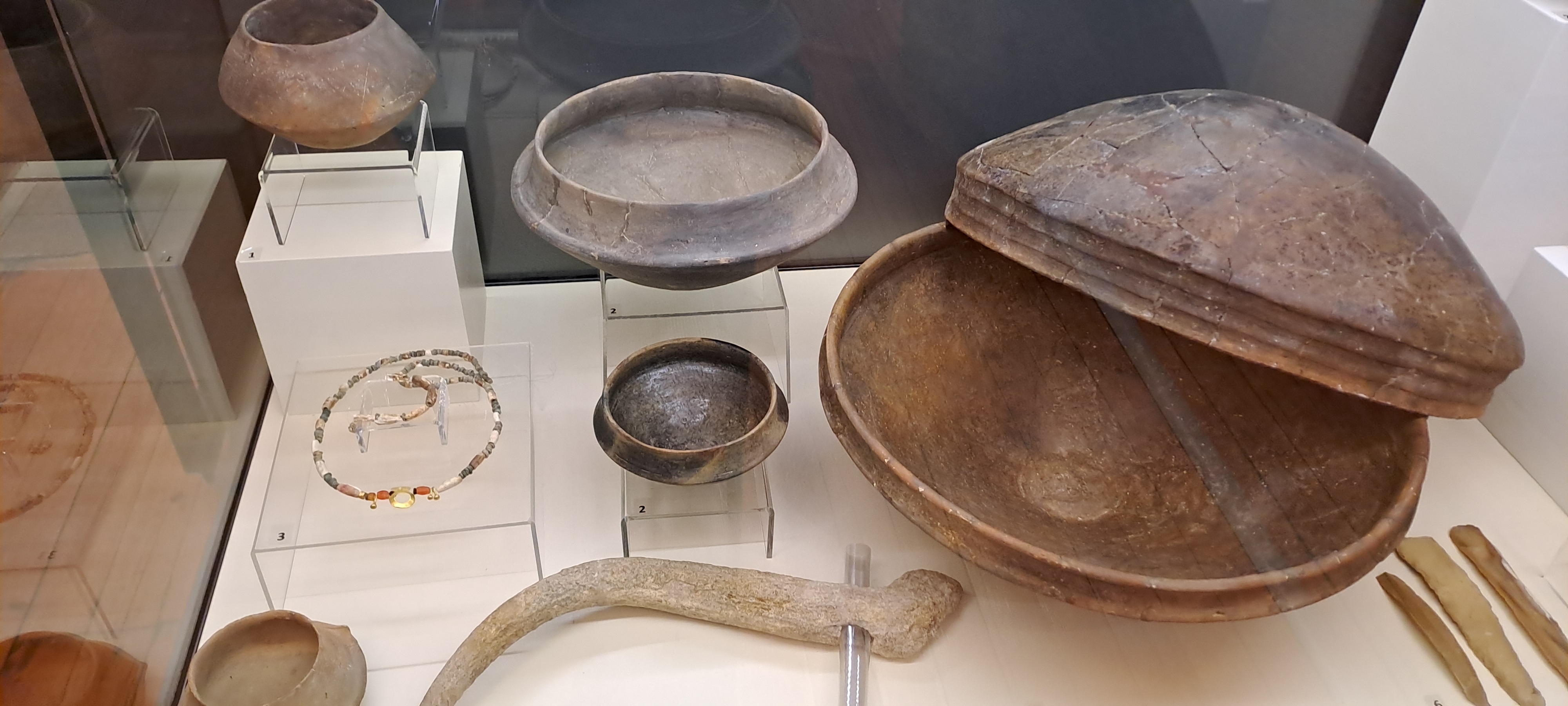
The “Bulgarian Archaeology 2025” exhibition includes more than 300 finds from a total of 31 sites in the country, including the prehistoric settlement mounds of Provadia and Yunatsite, the Roman cities of Ratiaria, Oeskus, Dimum, and Heraclea Sintica, and the medieval capitals of Pliska, Tarnovo, and Kaliakra.
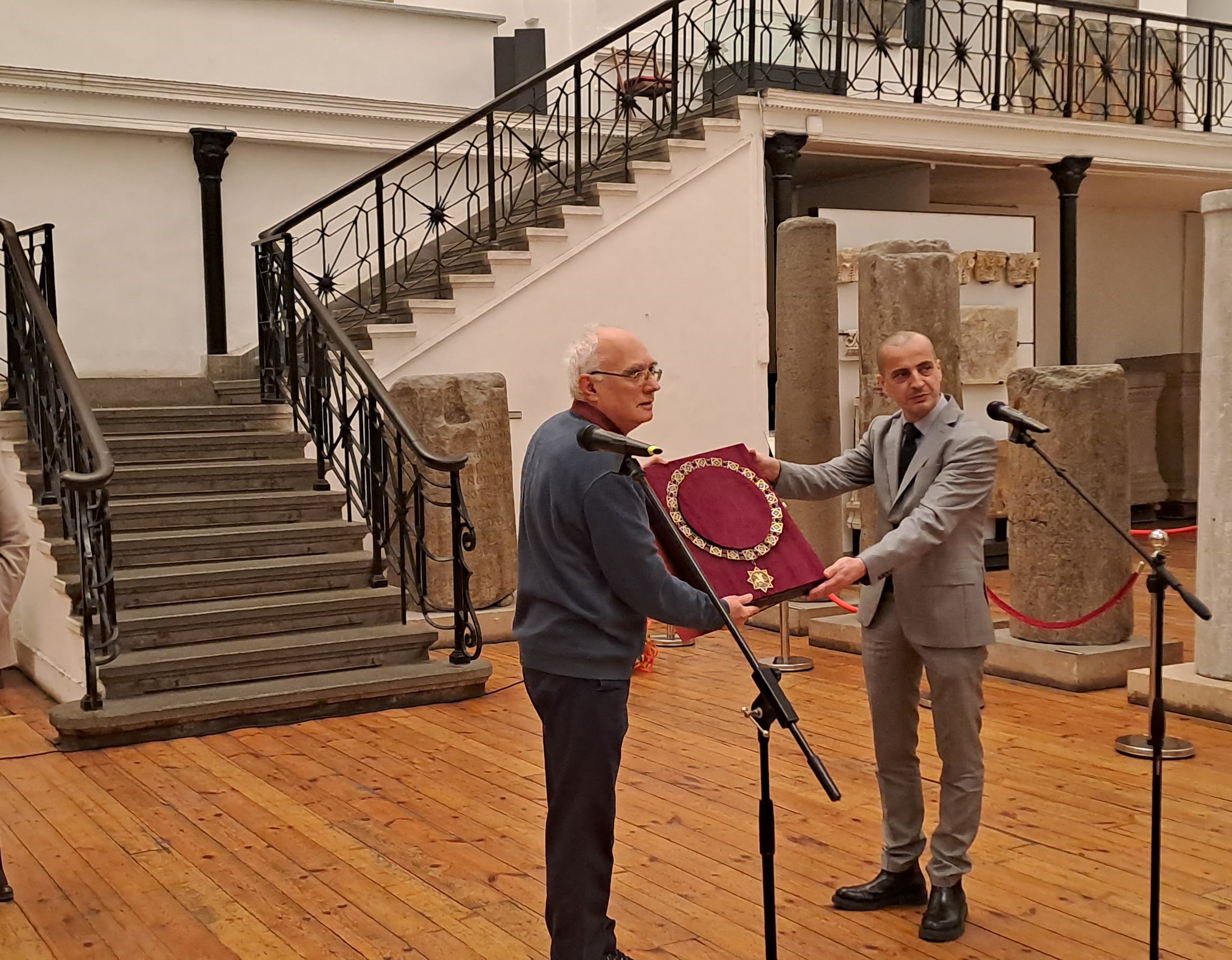
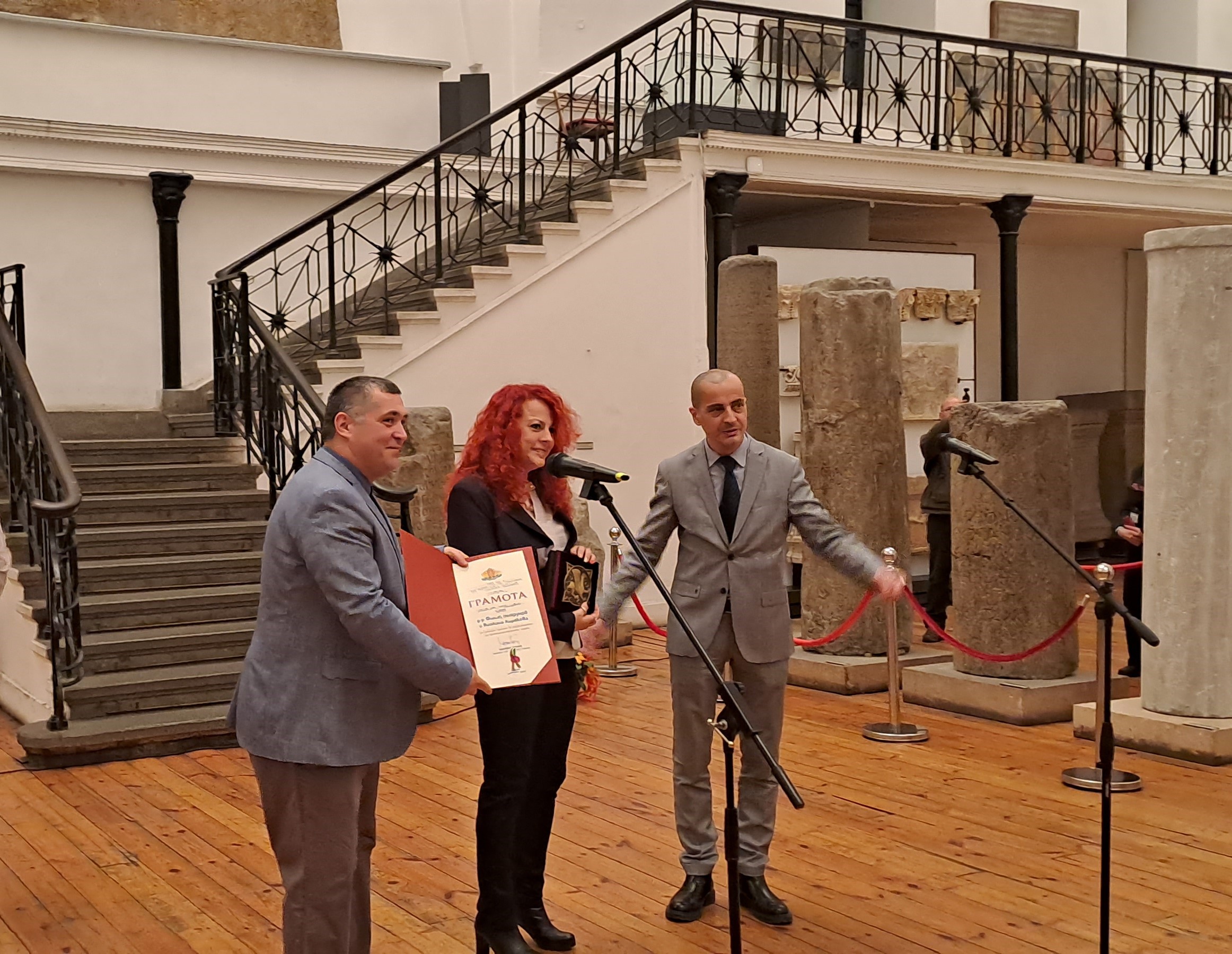
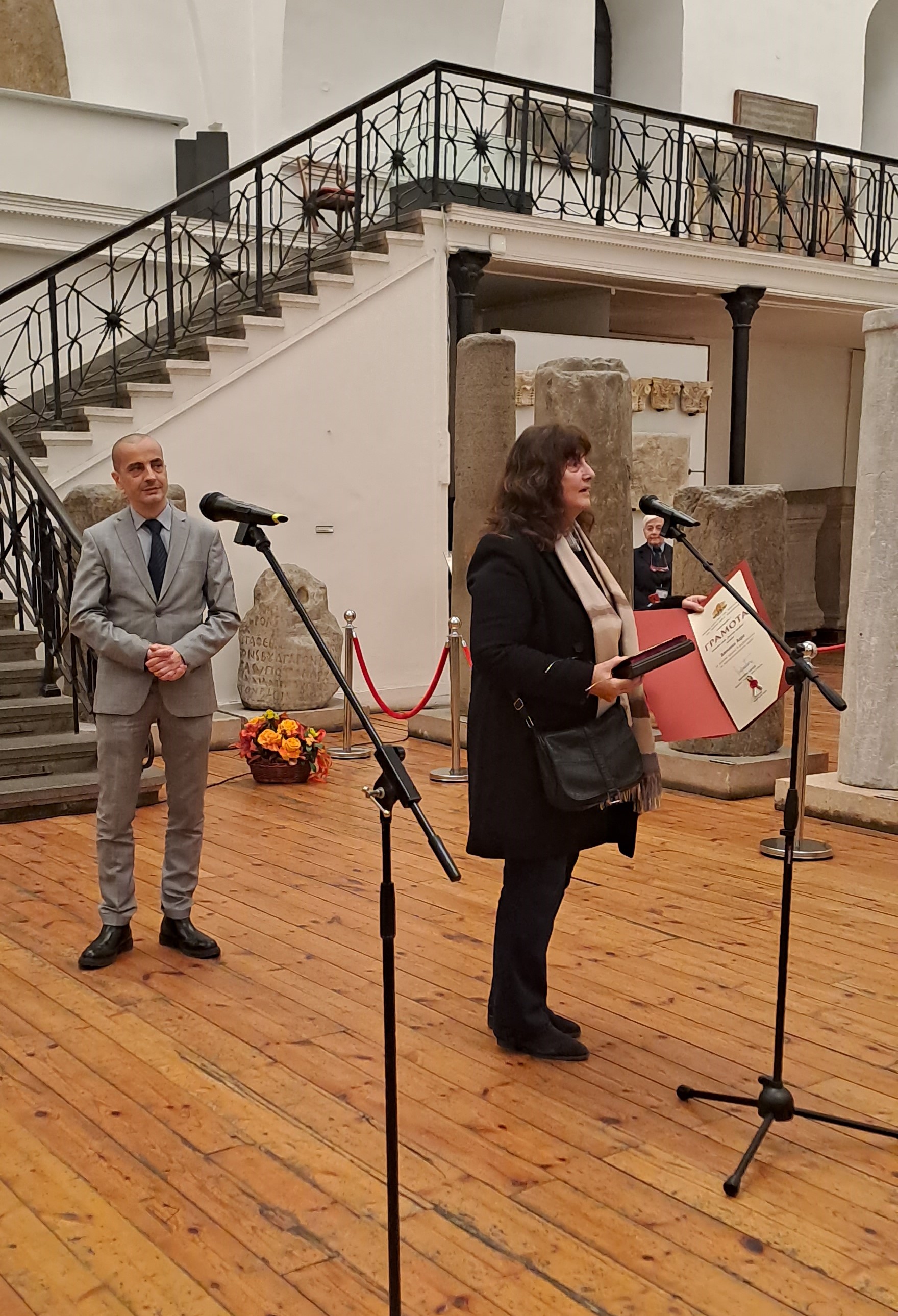
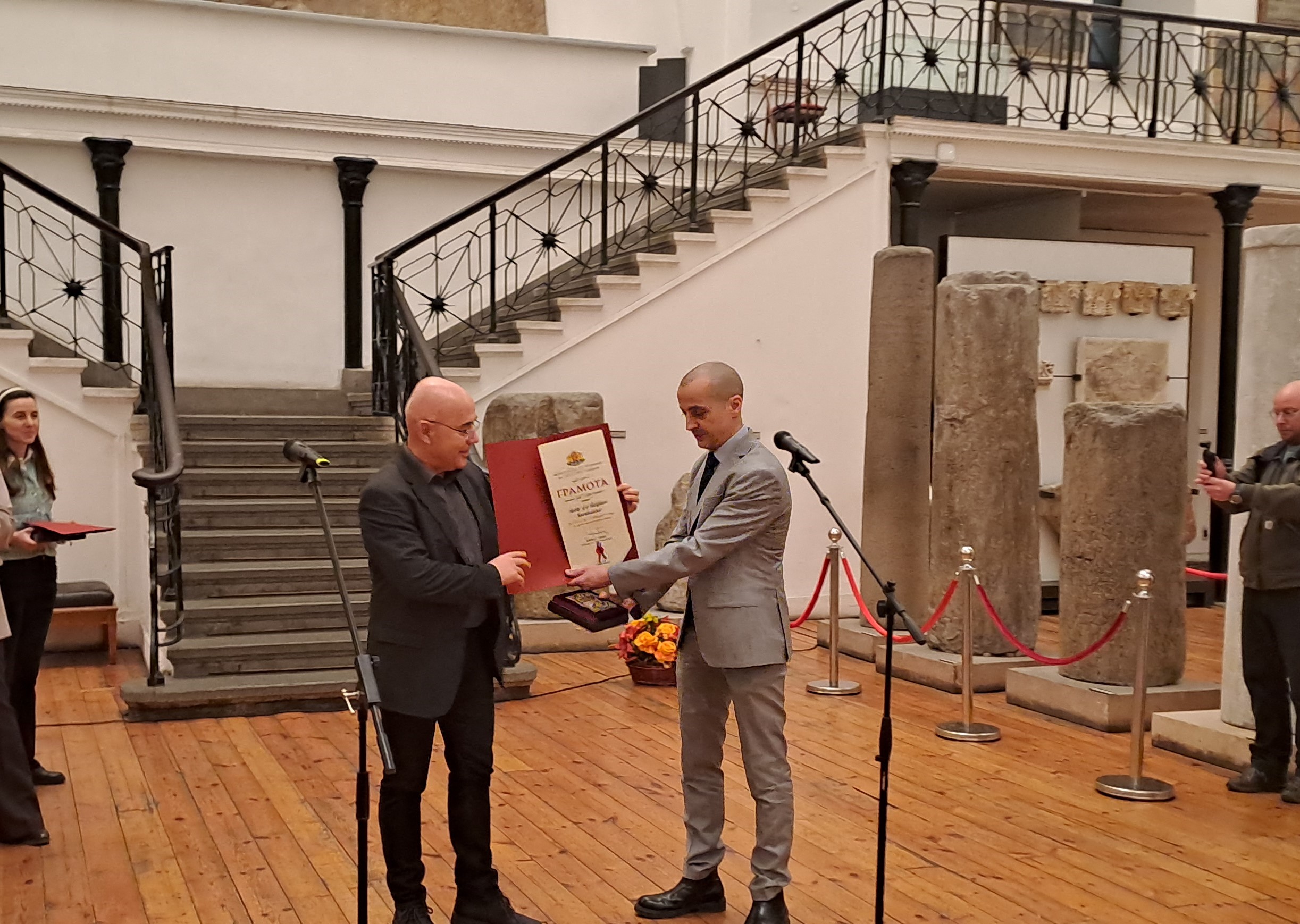
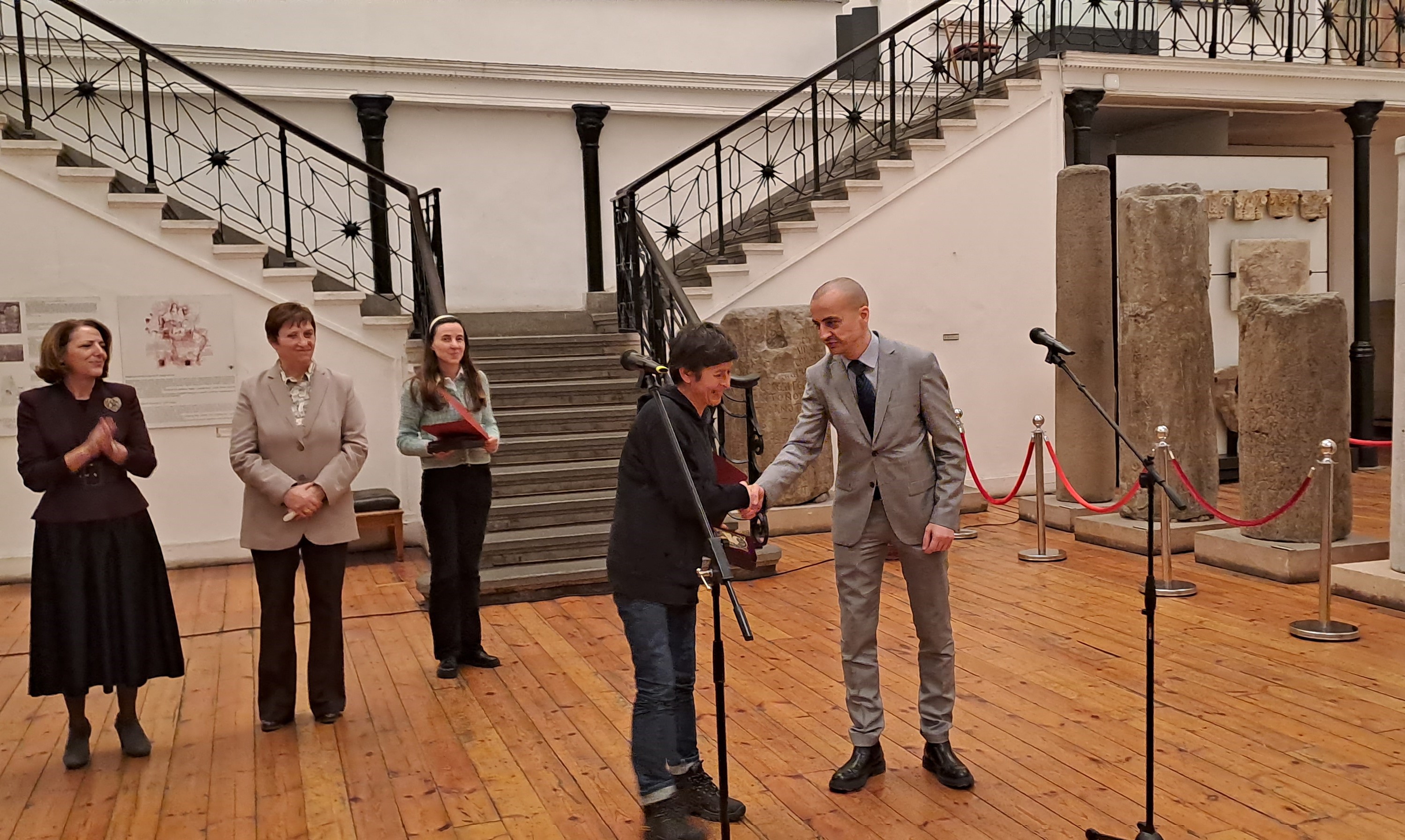
Deputy Minister of Foreign Affairs Elena Shekerletova and Deputy Minister of Culture Todor Chobanov attended the opening of the exhibition. Five “Golden Griffin” Awards for achievements in archaeological science were presented at the ceremony. The Ministry of Culture award is presented annually for significant contributions to Bulgarian archaeology and for overall contributions to its development and promotion. Deputy Minister Chobanov honored Elena Bojinova, Prof. Lyudmil Vagalinski, Daniela Agre, Dr. Philip Petrunov, and Violina Kiryakova, while Prof. Yavor Boyadzhiev received the grand prize – the “Golden Griffin” honorary necklace.
Among the most impressive exhibits in “Bulgarian Archaeology 2025” are prehistoric jewelry from the Chalcolithic necropolis near the village of Tranak, swords from the necropolis near the village of Palat, gold ornaments and bronze vessels from the burial mound near the village of Kapitan Petko Voyvoda, a glass cup of the “horn of plenty” type from the ancient site near the village of Blaskovo, silver fibulae from the necropolis near the village of Svoboda, gold jewelry and coins from Kaliakra, as well as a lead folding altar from Trapezitsa, Veliko Tarnovo.
This year, 19 historical and archaeological museums from across the country are co-organizing the “Bulgarian Archaeology” exhibition.
The exhibition can be viewed in the Temporary Exhibitions Hall of NAIM until June 7.