
The President of the Bulgarian Academy of Sciences, Corresponding Member Evelina Slavcheva, together with representatives of the Institute of Electrochemistry and Energy Systems (IEES-BAS) and the HITMOBIL Center до Competence she heads, participated as partners in the eleventh edition of the FISSION’26 International Student Science Fair. The event took place on April 18 at the American College of Sofia.
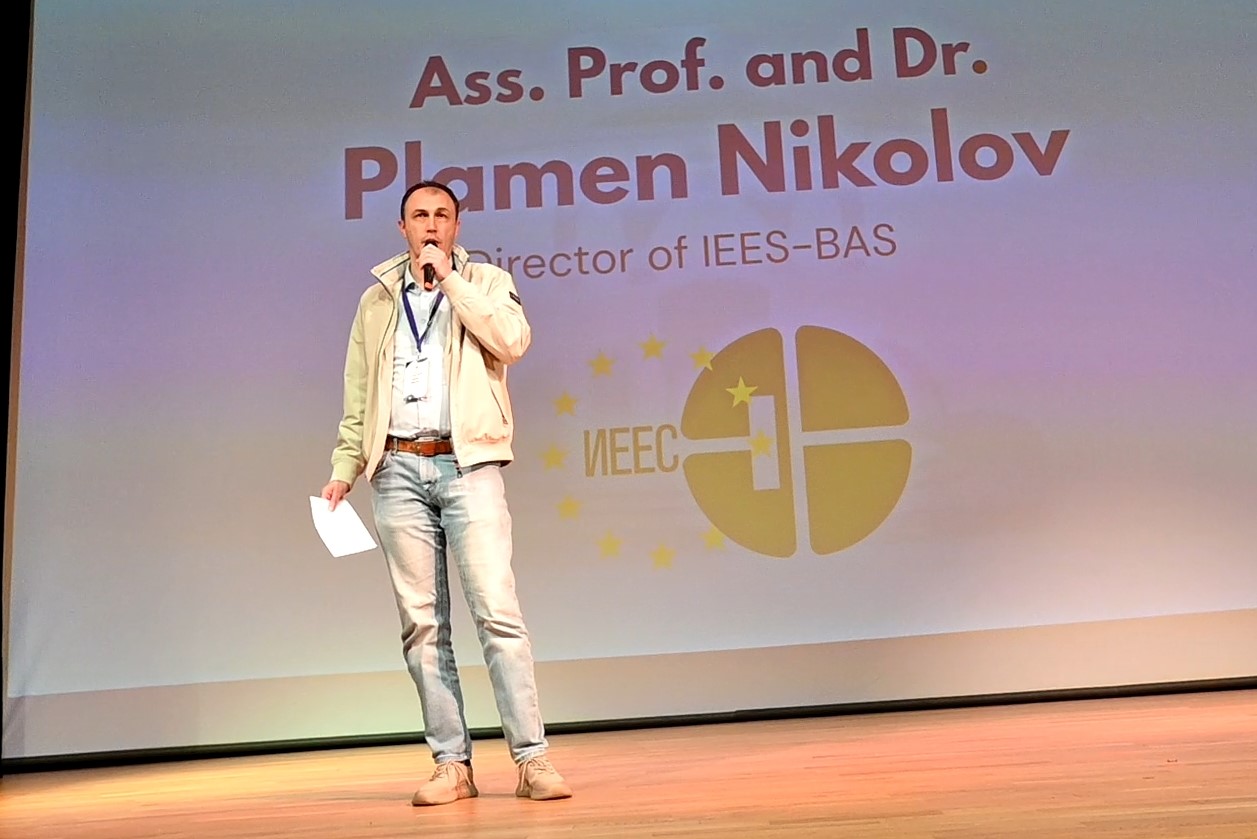
In her welcome address to the participants, Corr. Memb. Slavcheva expressed satisfaction that the forum was proof of young people’s growing interest in science, which “knows no boundaries, neither between countries nor between scientific fields.” Corr. Memb. Slavcheva encouraged the students and their mentors with the words: “Believe that science is a calling. Believe that it is the freest realm of human activity where the scope of thought is boundless.”
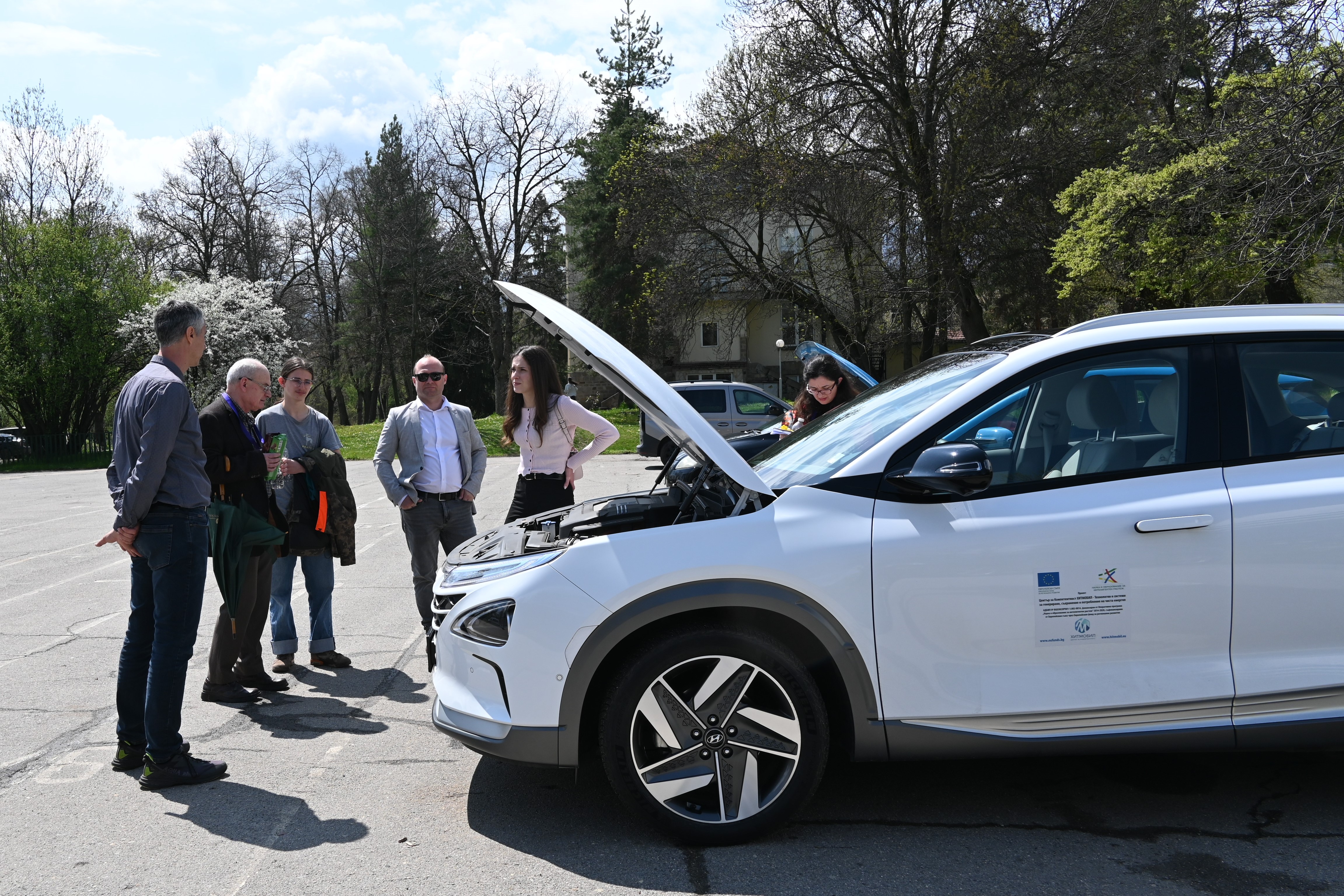
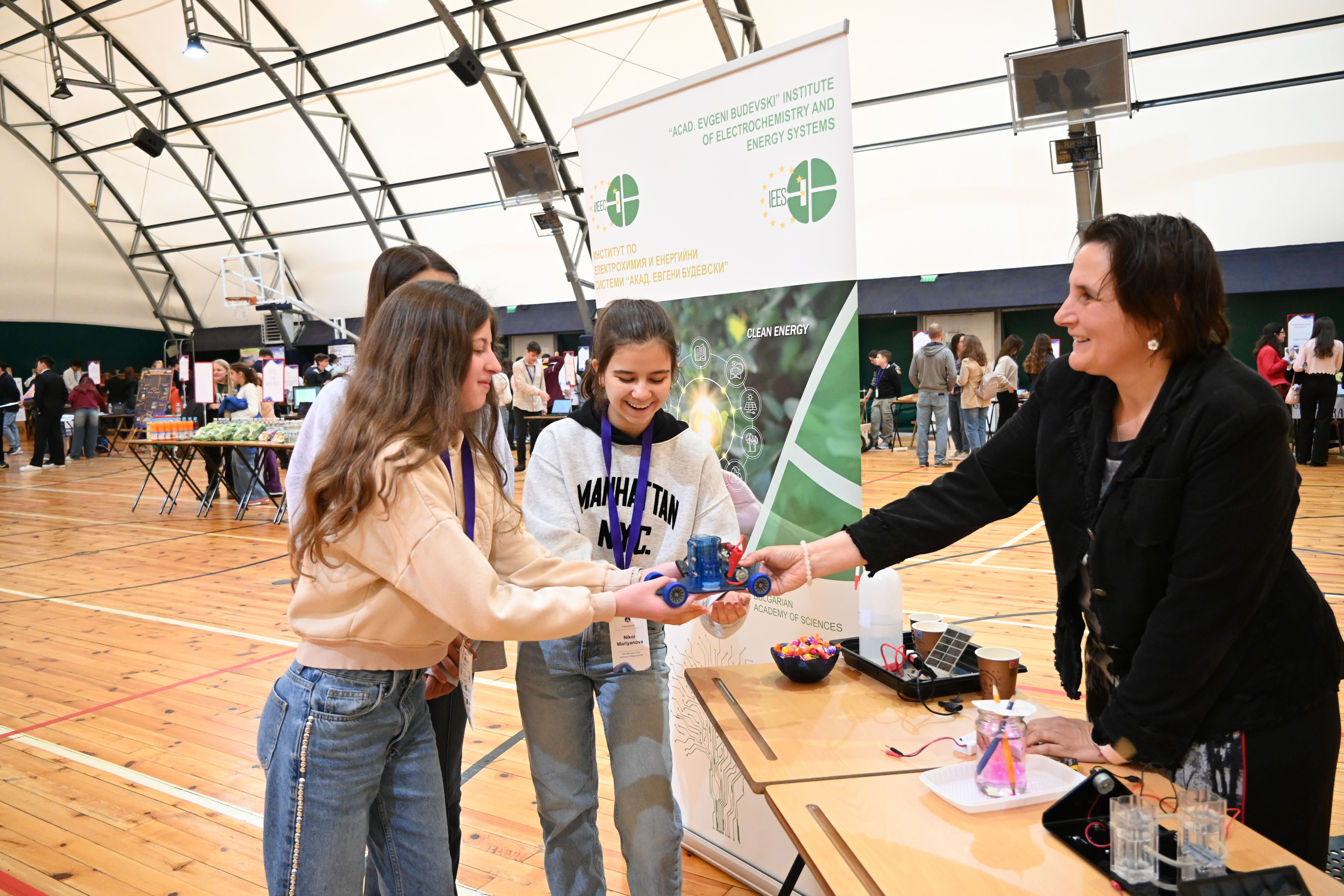
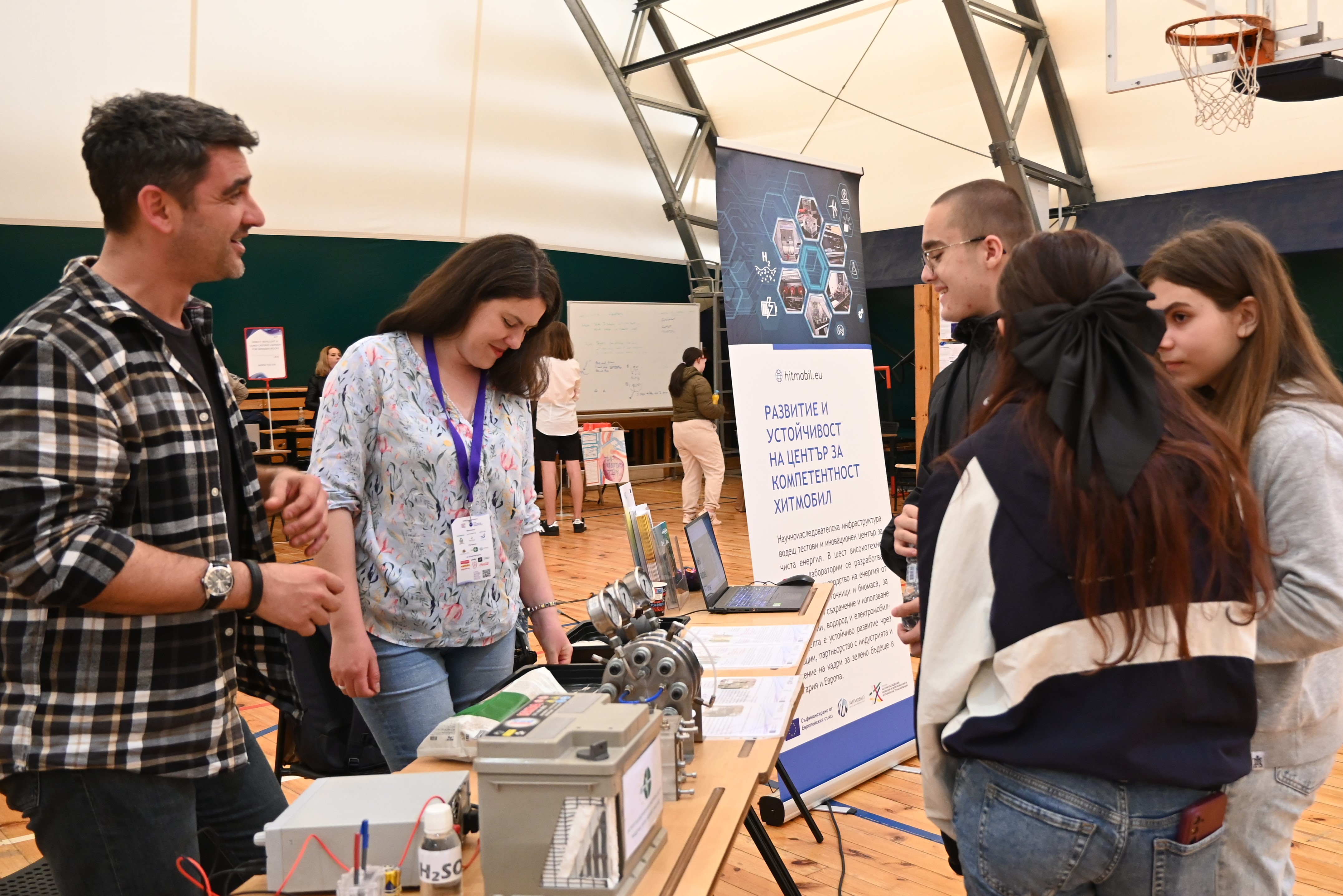
As partners of FISSION ’26, researchers from IEES-BAS presented modern electrochemical systems for clean energy in an interactive manner. Representatives of the HITMOBIL Center of Competence introduced participants to their research activities in the field of sustainable energy solutions and demonstrated specific developments, including prototypes of a metal hydride-air battery and a hydrogen compressor. Both of the Center’s research electric vehicles were on display in the exhibition area, with the hydrogen fuel cell-powered vehicle generating particular interest.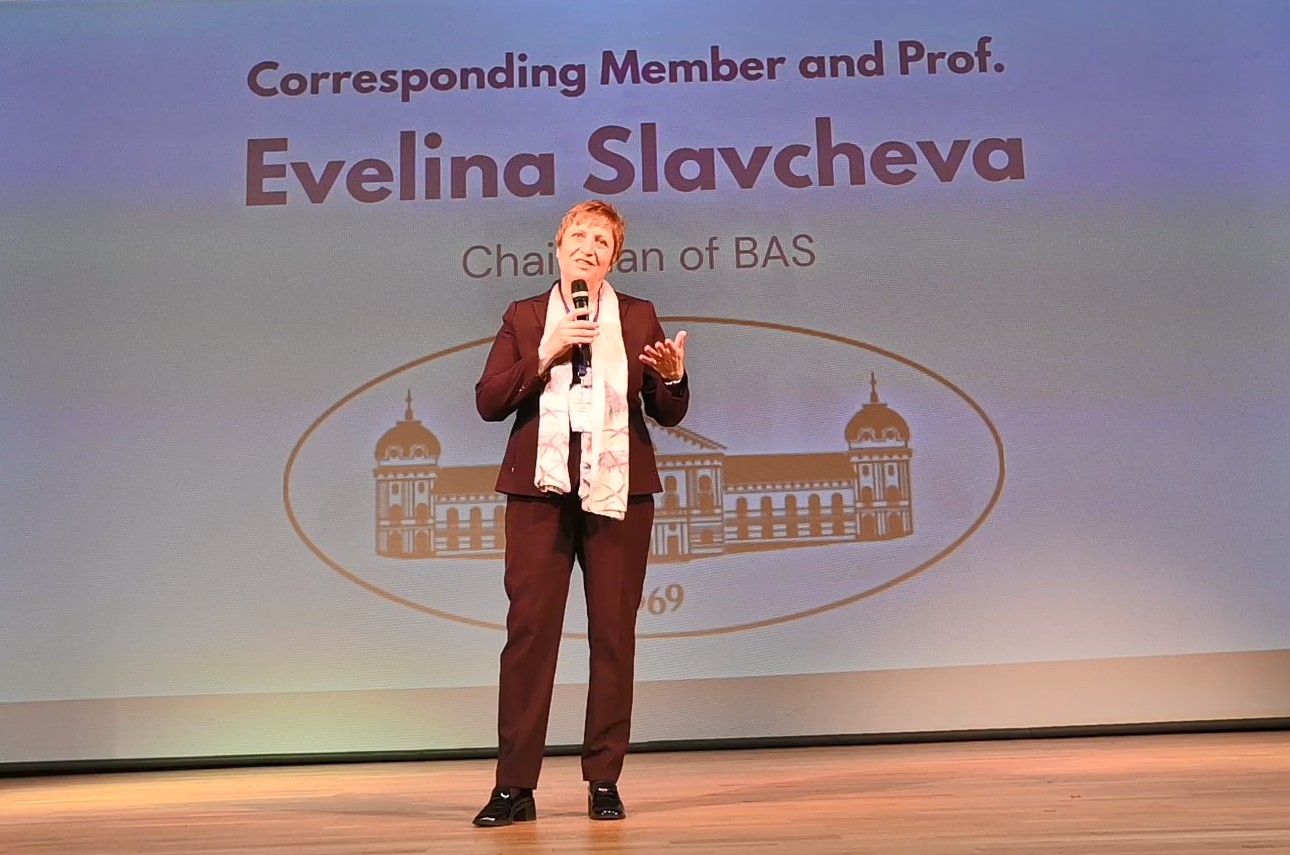
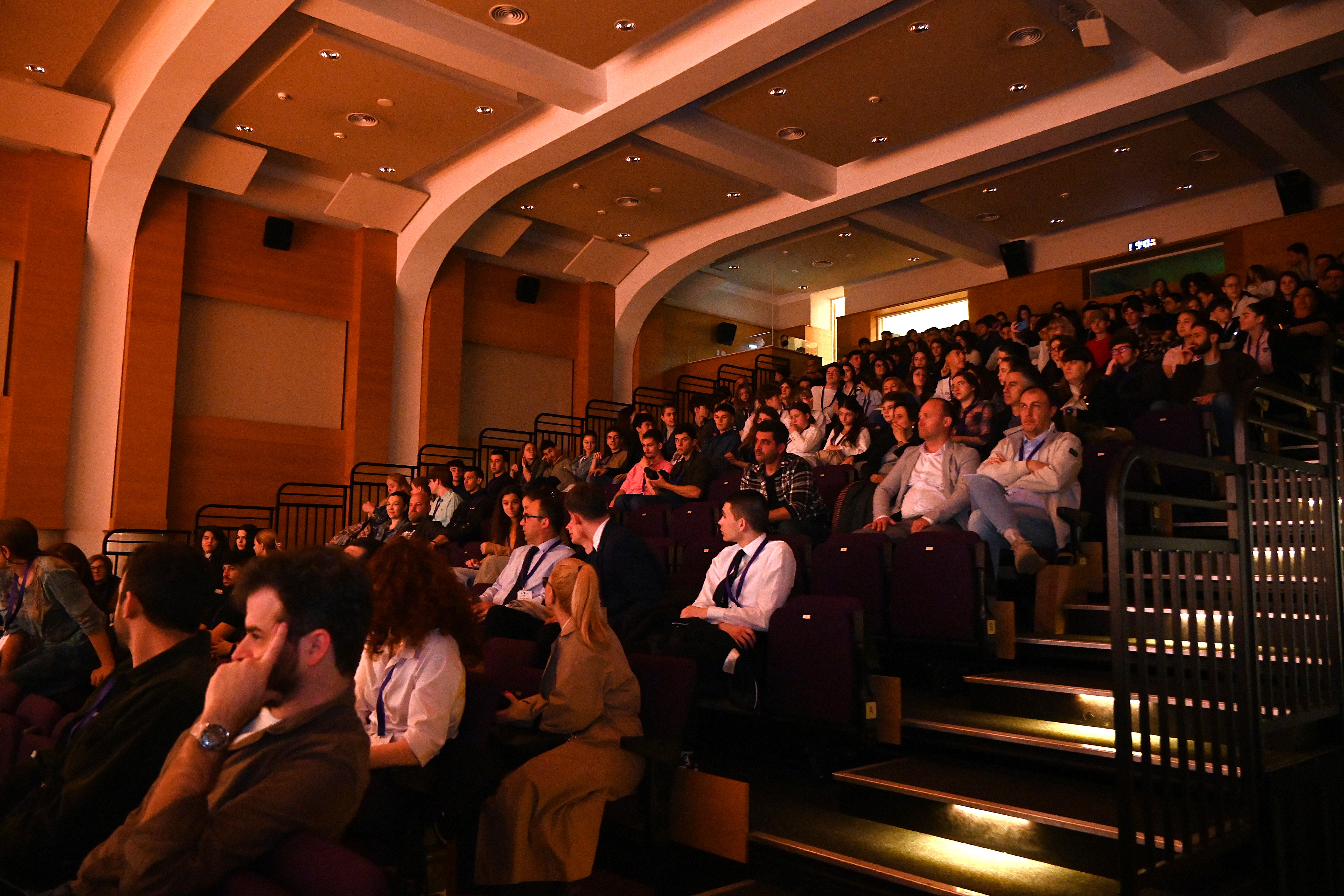
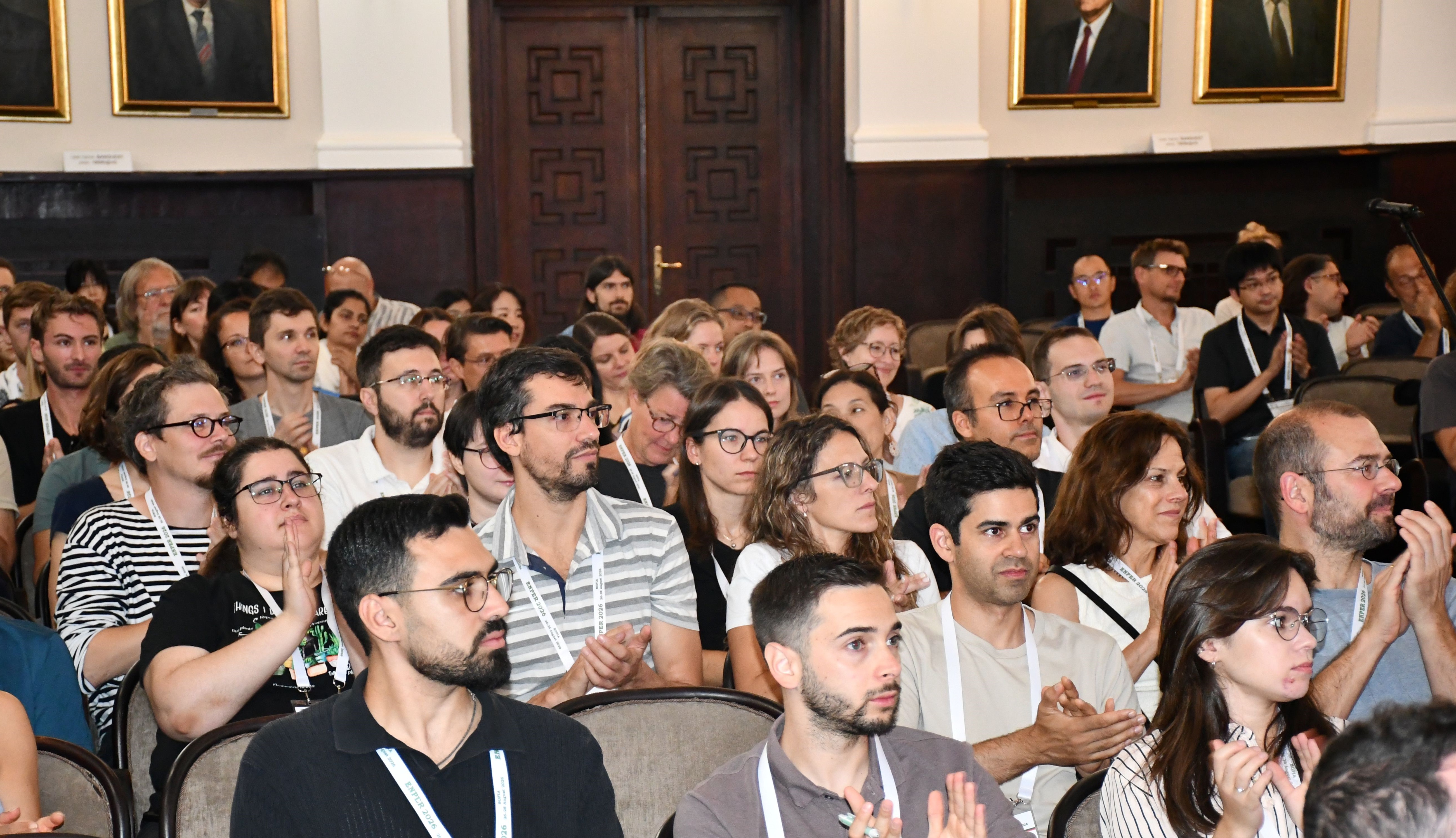
Traditionally, FISSION is organized entirely by students for students and has established itself as an international platform for the exchange of ideas and scientific inspiration. The forum provides participants with the opportunity to present and defend their projects before a jury of distinguished scientists and experts, with evaluations based on scientific merit, originality, and practical applicability. The program includes presentation sessions and meetings with representatives of the scientific community. This year’s edition of the festival brought together over 200 students from Bulgaria, Hungary, North Macedonia, Romania, and Turkey, who presented over 80 projects in fields such as biomedical sciences, ecology, physics, engineering, computer science, and mathematics.