
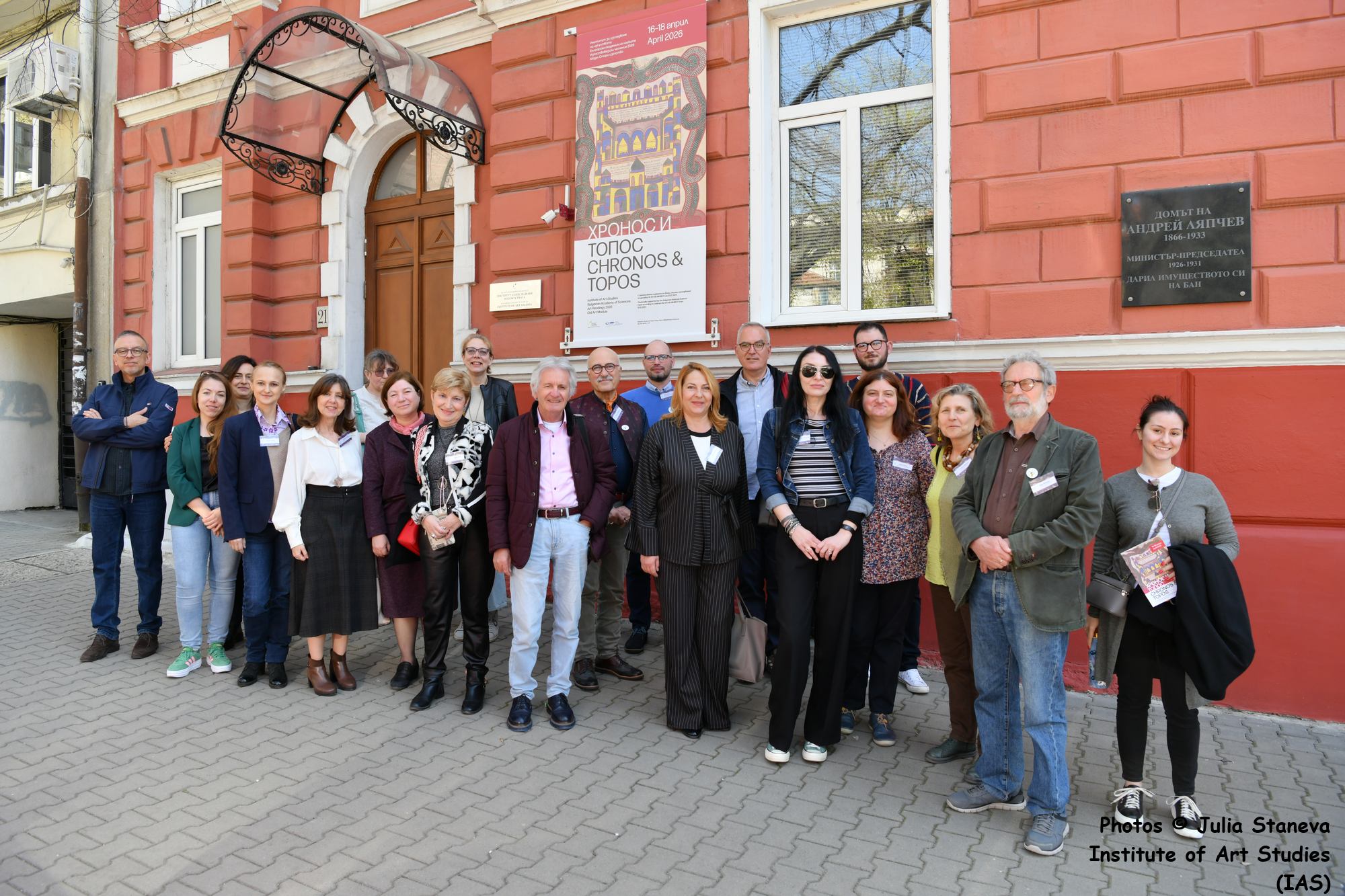
Last week, 41 scholars from eight countries: Albania, Bulgaria, Greece, Canada, Poland, Romania, North Macedonia, and Serbia participated in the “Old Art” module of the“Art Readings 2026” international scientific symposium.
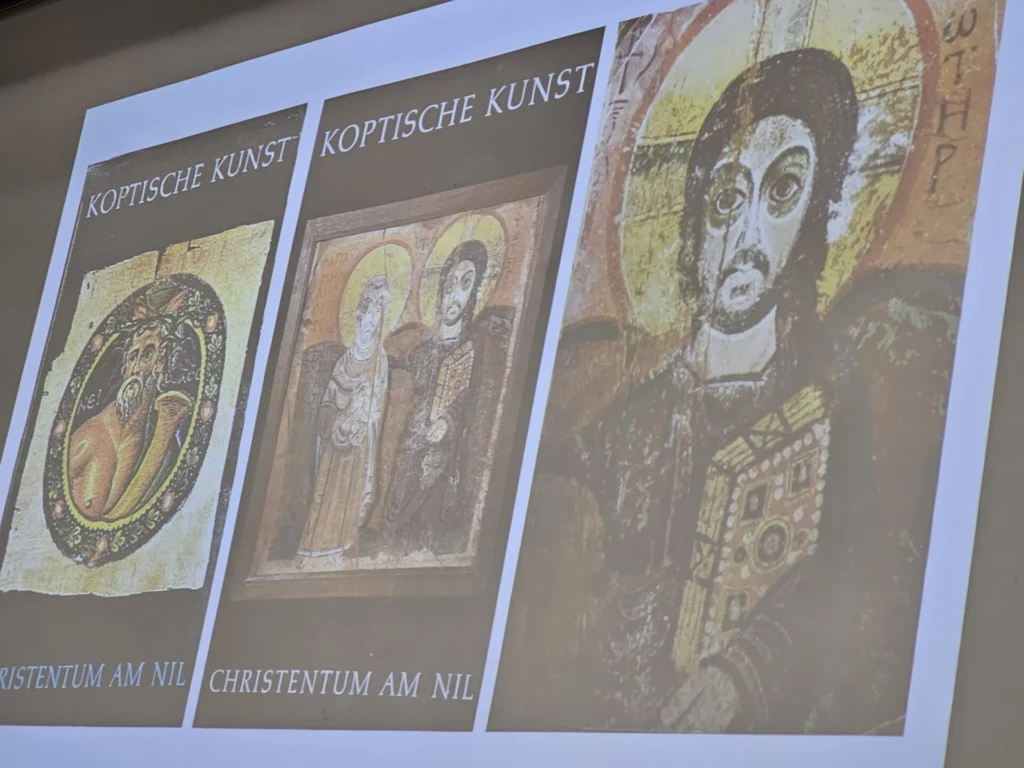
The conference began with a presentation on the capabilities of the latest technologies and their application in archaeology, art history, and the reconstruction of destroyed monuments. Most of the presentations focused on the cultural heritage of the Balkans, but some also focused on the art of Western Europe and the Far East. During the academic sessions, unpublished works from Antiquity, the Middle Ages, the Ottoman period, and the National Revival were presented and discussed for the first time. Conceptual questions regarding time and space (chronos, keros, eon, chronotope, hierotope, dichrony, ditopia, etc.) were interpreted in the context of examples from architecture, sculpture, the visual arts, book miniatures, and epigraphy. Themes of the afterlife, the Last Judgment, Heaven, and Hell were examined by various scholars within the Christian, Islamic, and Zoroastrian traditions.
The presentations in the first two sessions focused on monuments from Antiquity and Early Christianity (Alexandrovo, Deultum, Serdica, Zaldapa, Sozopol, Niš, and others). Emphasis was placed on continuity between eras and the use of spolia – the reuse of pagan architectural structures and elements in a new, Christian context.
Within the theoretical framework of chronos and topos, the subsequent sessions analyzed monuments of ecclesiastical art from various regions of the Balkans, spanning from the Middle Ages to the 19th century. Several studies were devoted to the cultural and historical heritage of the Bulgarian Zograf Monastery on Mount Athos.
The presented examples of ecclesiastical art illustrated the close connection between the liturgical perception of time and its visual language. The distinction between “historical” and “liturgical” time, derived from liturgical texts and practice, was clarified. The depiction of real time and space was correlated with symbolic and liturgical time (chronos) and space (topos) through an idealistic “atopia” and eschatological time.
The conference was held in partnership with the National Science Fund and the National Gallery. The presentations are available on the YouTube channel of the Institute for Art Studies.