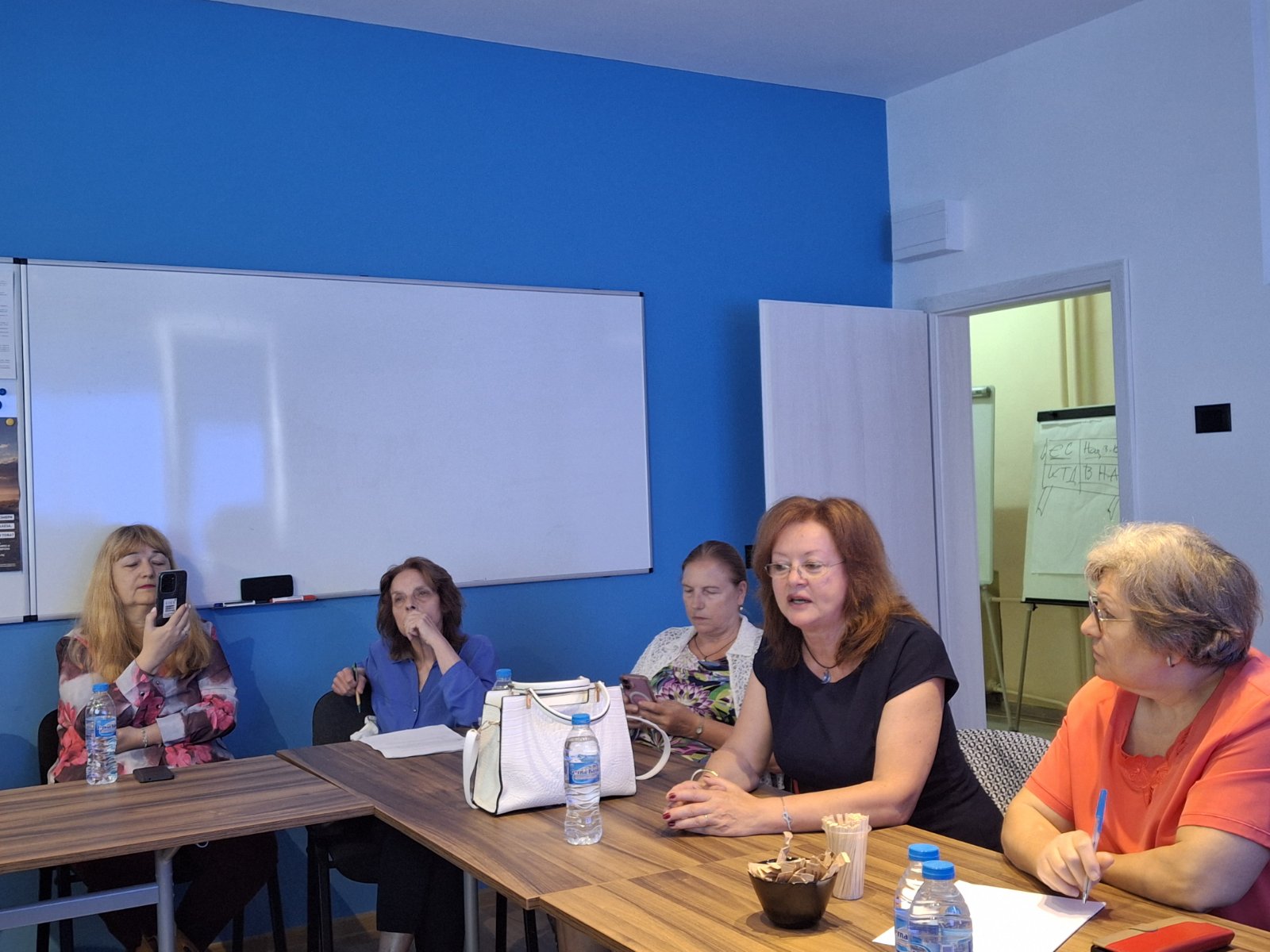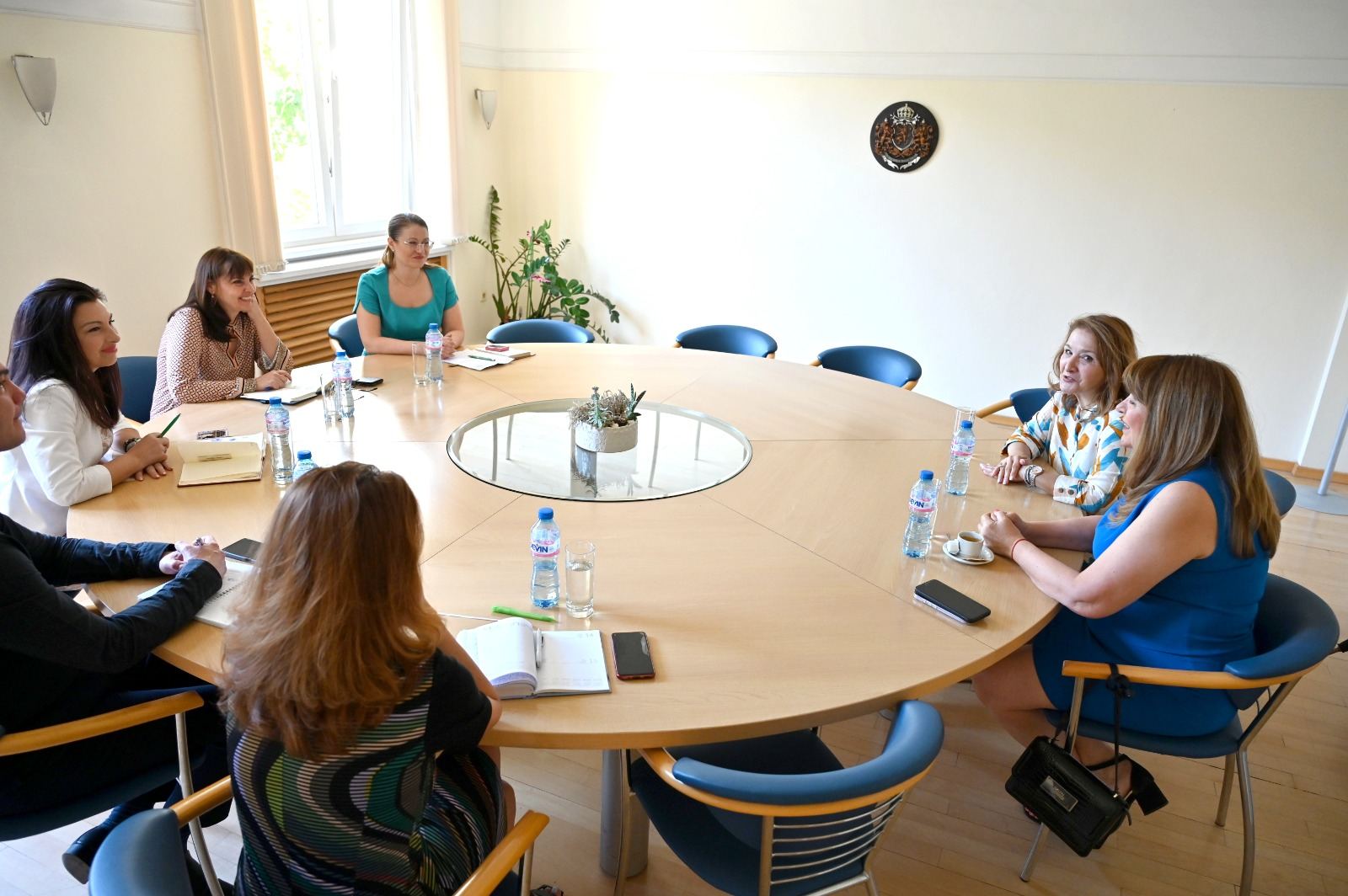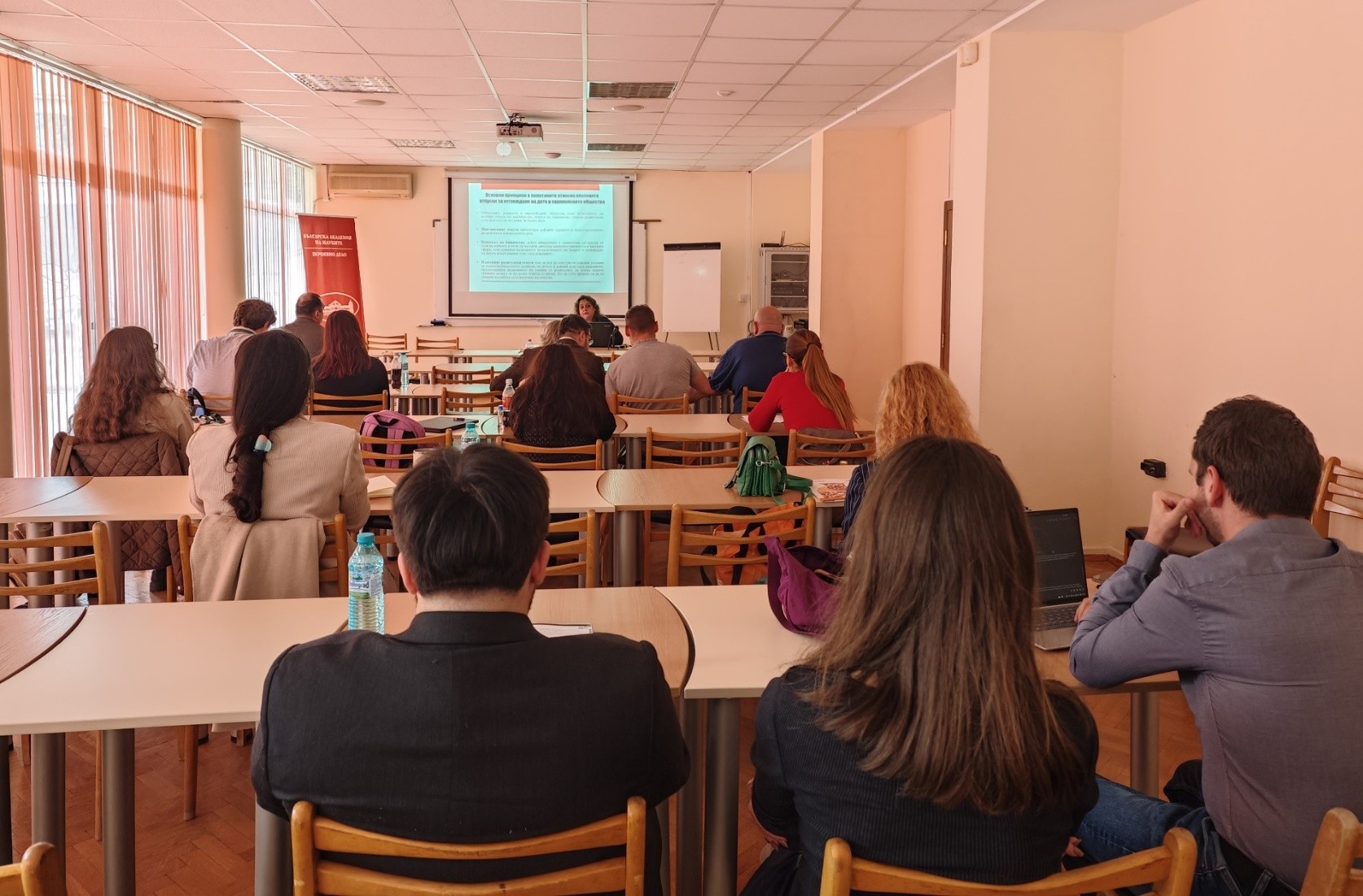

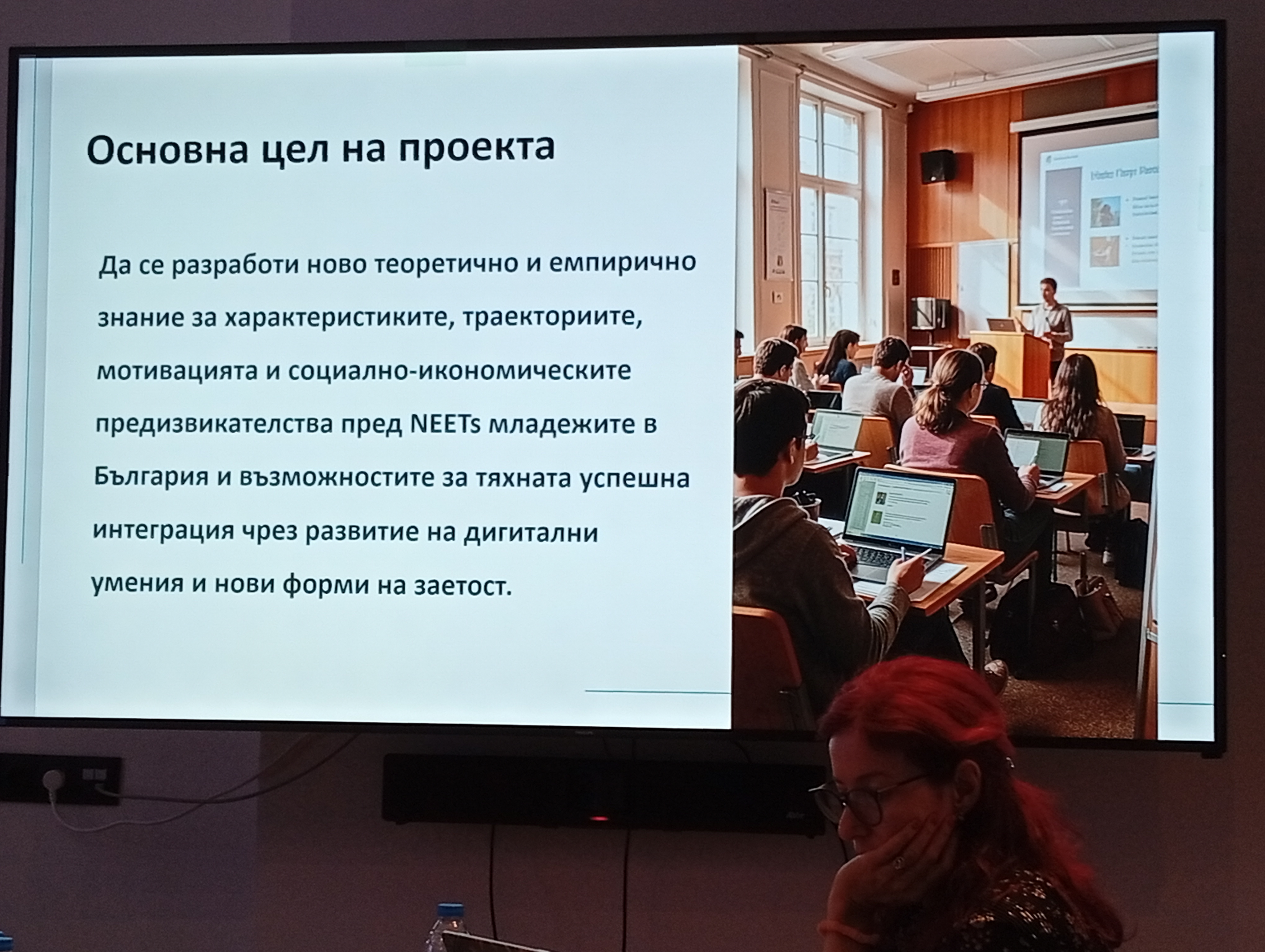
At the Institute of Philosophy and Sociology, the “NEET Youth in Bulgaria: Research and Policy Design” Laboratory was launched through a constructive and dynamic discussion attended by five experts from the Ministry of Labor and Social Policy and two from the Ministry of Education and Science. It is part of the “New Forms of Employment and the Development of Digital Skills: Key Factors for the Successful Integration of NEET Youth into the Labor Market” project. The project is implemented with the support of the Bulgarian National Science Fund under the call for proposals for funding fundamental scientific research – 2024 (Contract КП-06-Н85/12 dated December 5, 2024).
During the presentation and discussion, the main objectives, priorities, and guidelines of the future comprehensive study which will provide the first-of-its-kind comprehensive empirical picture of the phenomenon in Bulgaria through a nationally representative sample of individuals aged 15–34, comprising approximately 3,000 interviewed respondents, and through a specialized questionnaire for NEETs. NEET (Not in Education, Employment, or Training) refers to young people who are not engaged in education, training, or employment.
NEETs among young people in Bulgaria are an important and wide-ranging issue because they affect all spheres of public life – the economy, the social sphere, and politics. As with other indicators, Bulgaria is in an unfavorable position regarding NEETs and ranks behind Romania. According to data from the National Statistical Institute (NSI), the number of NEETs in Bulgaria has been declining since 2016; however, this may be due to labor market measures, or it may result from a decrease in the population caused by emigration from Bulgaria.
One of the research challenges is the lack of clarity regarding the definition of who NEETs are and why the age group is limited to only 29 or 34 years. The team will also work to clarify the definition of NEETs by reformulating it more appropriately as social marginalization resulting from unsuccessful socialization combined with specific characteristics of the economy and the labor market. If these processes are addressed more comprehensively, appropriate measures and policies can be proposed. The team will track whether individuals who have completed the relevant socialization and re-entry-to-work programs remain unemployed or have successfully integrated into the workforce.