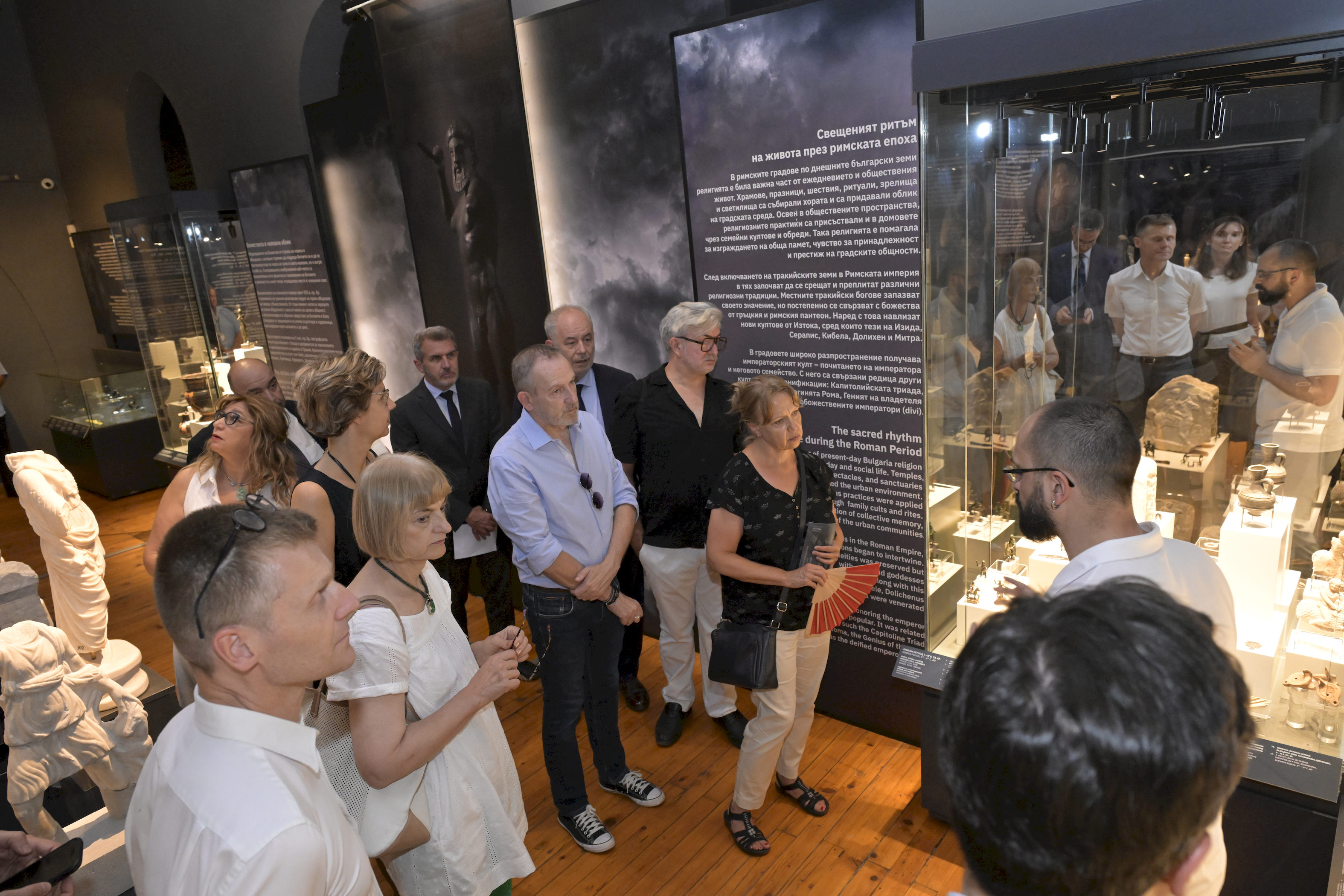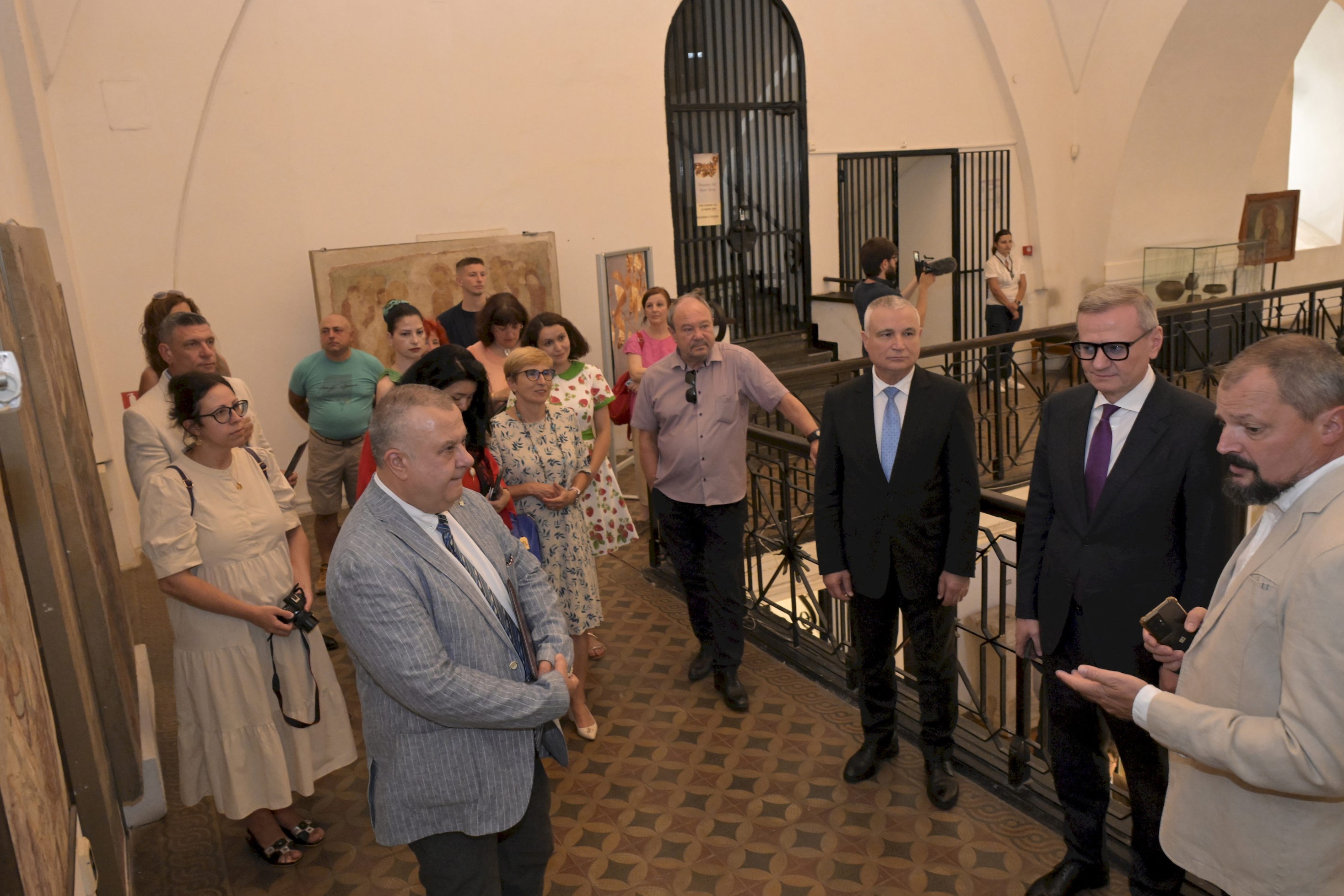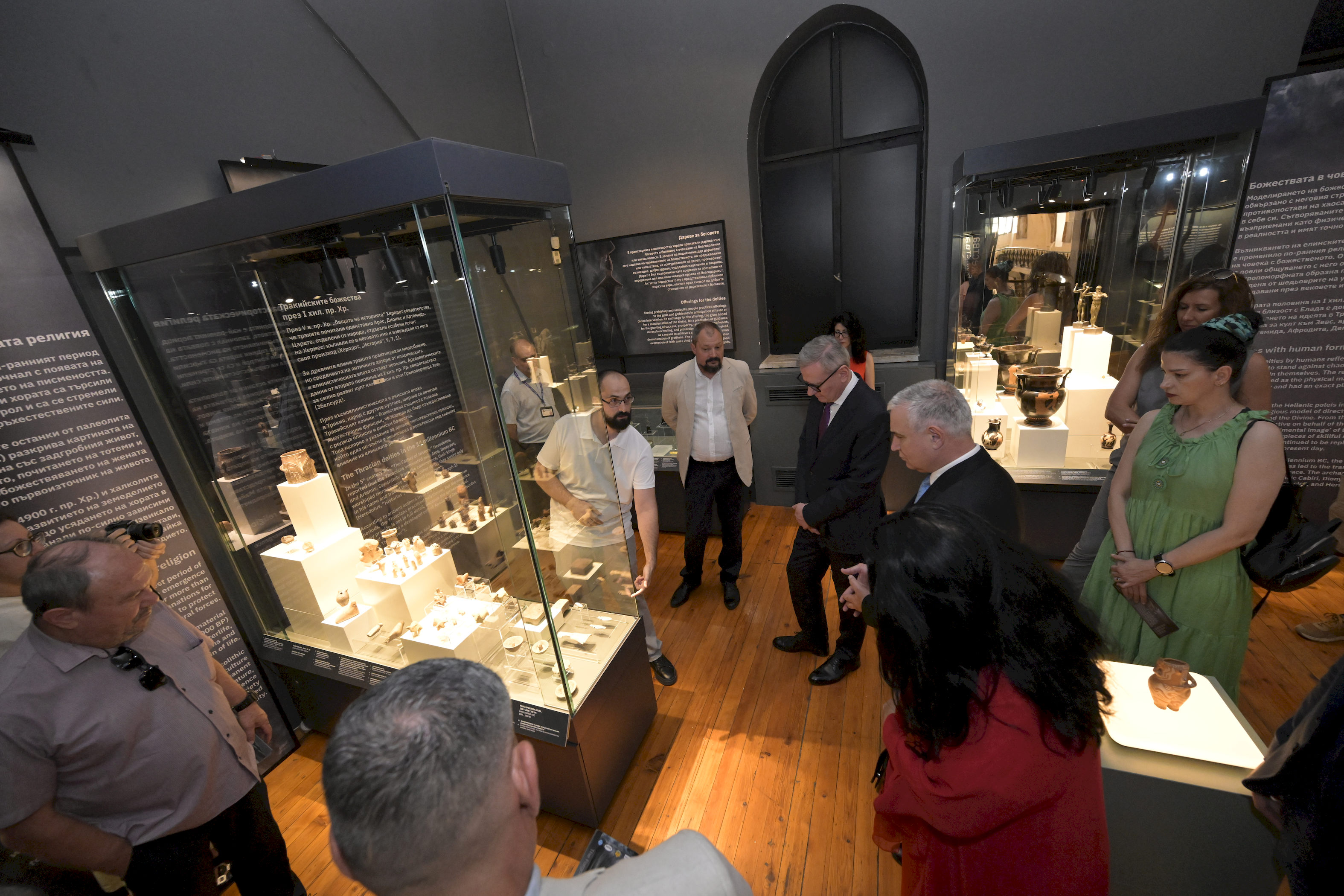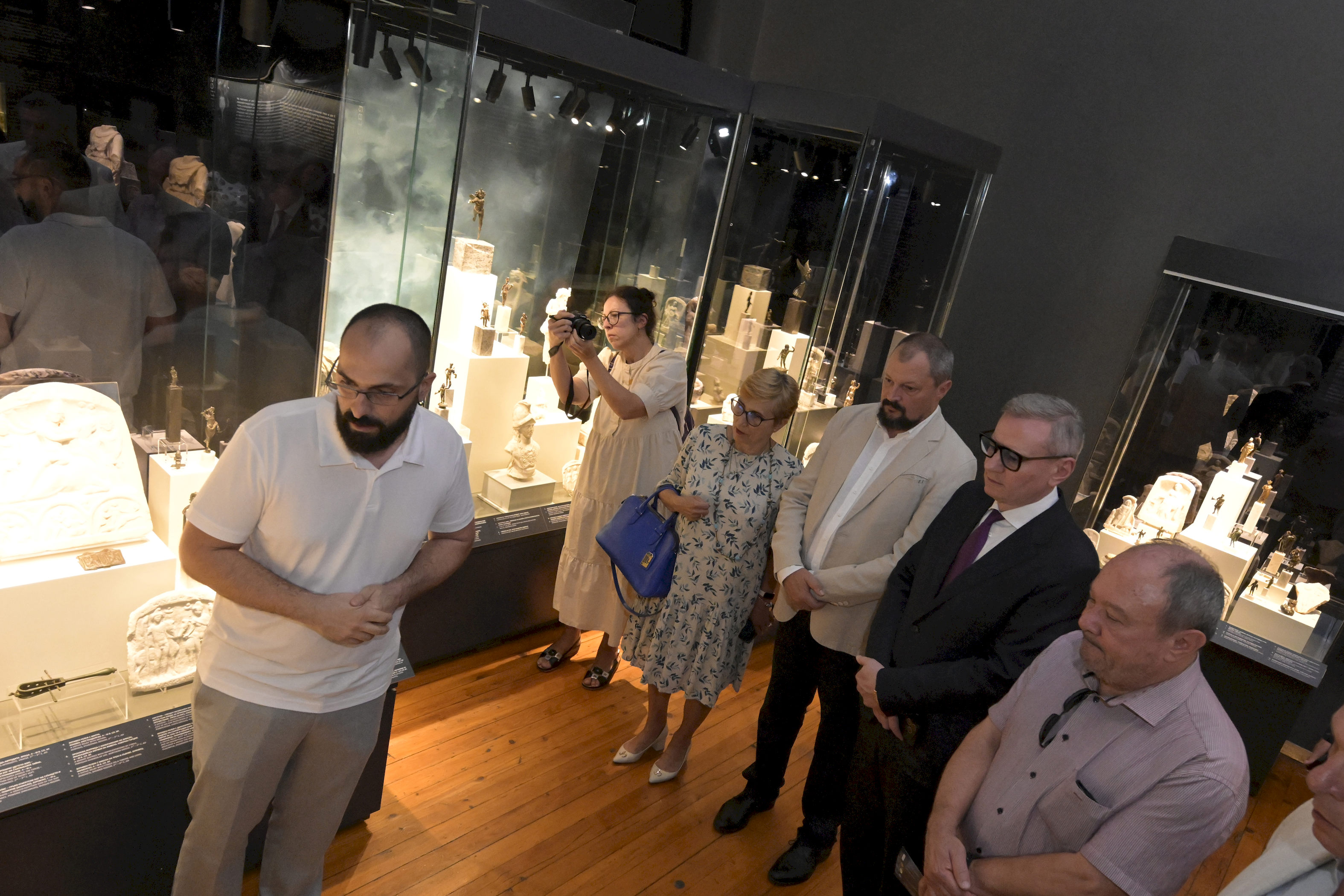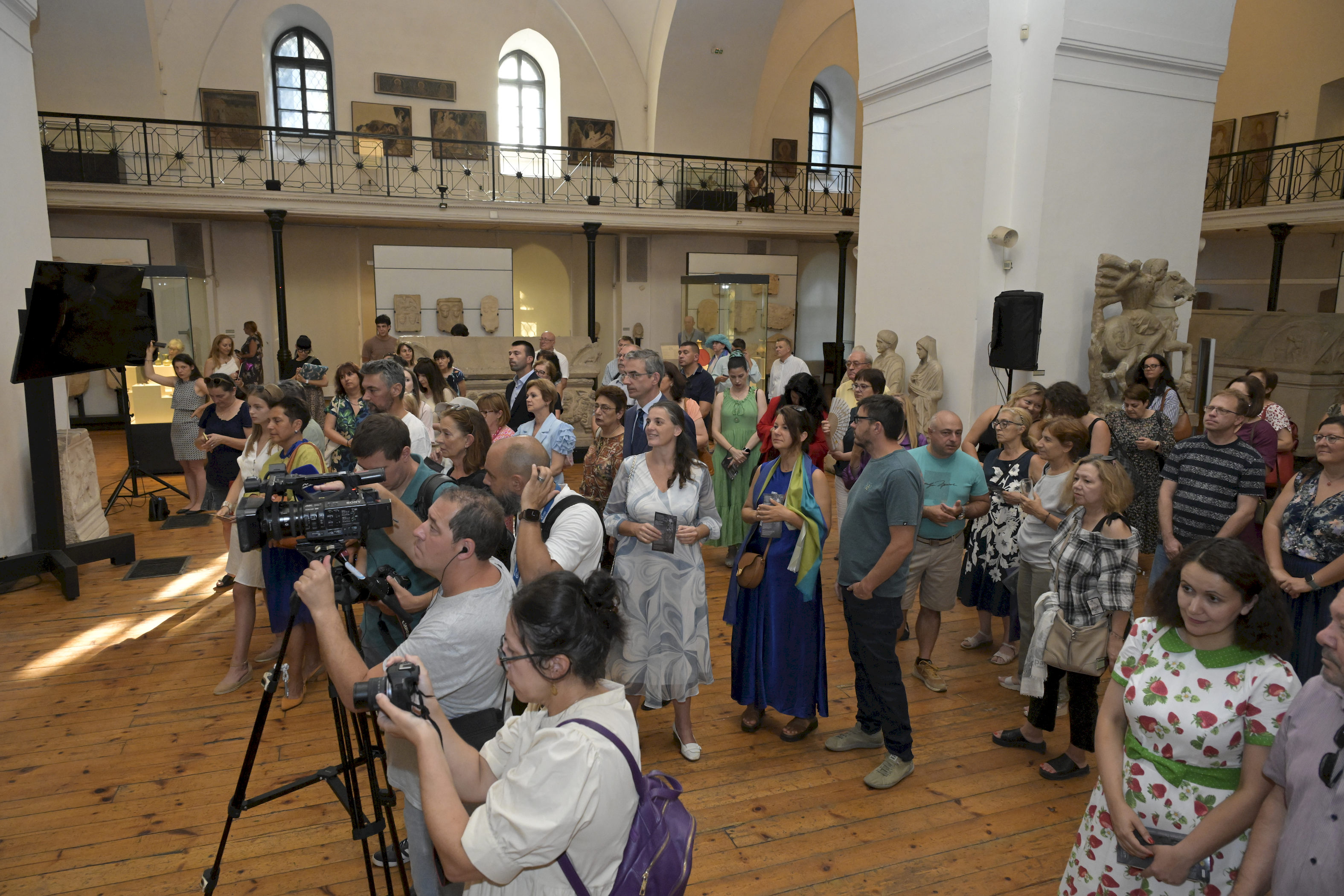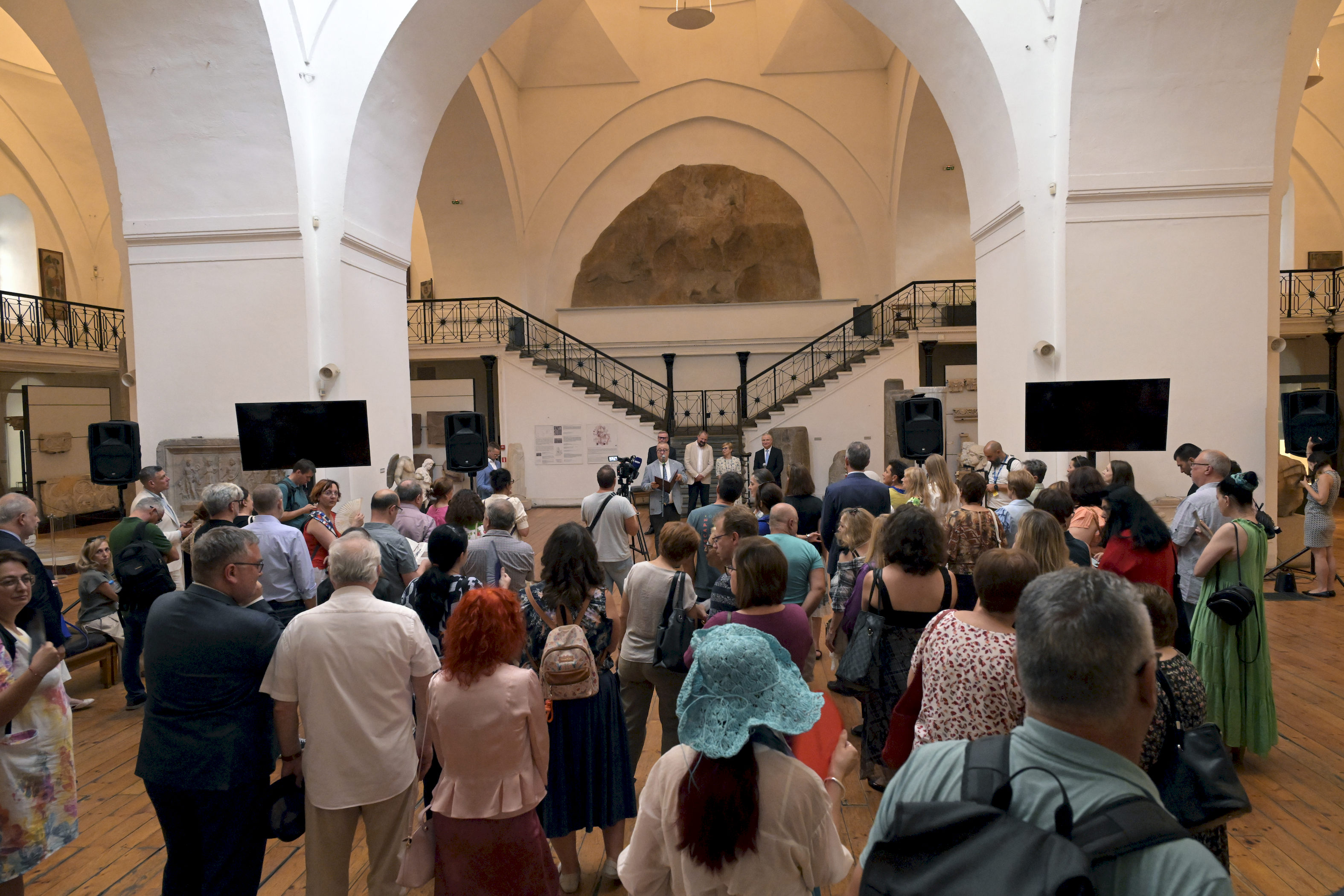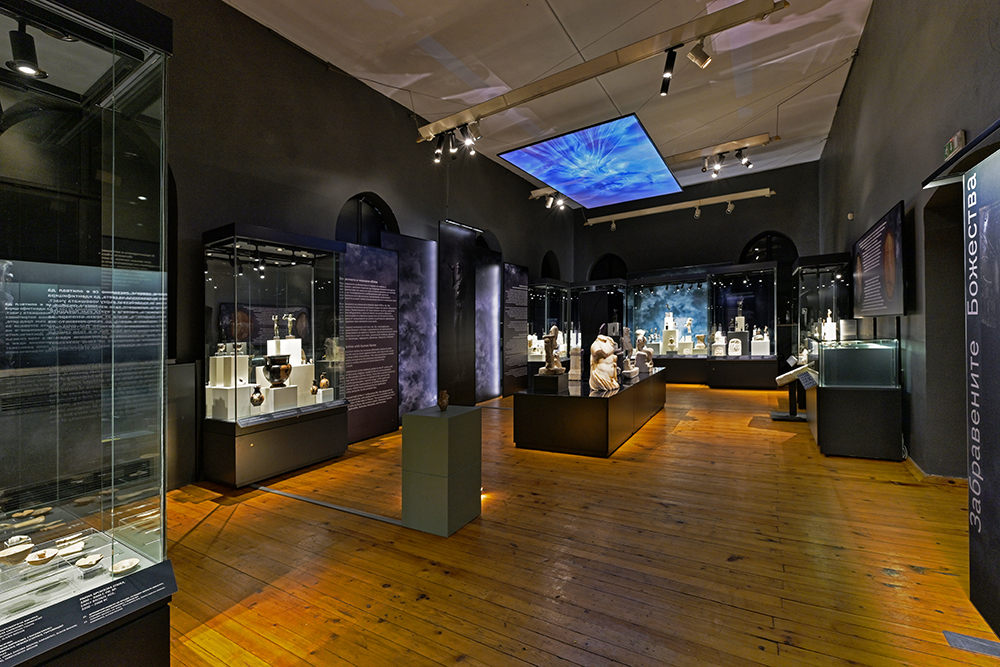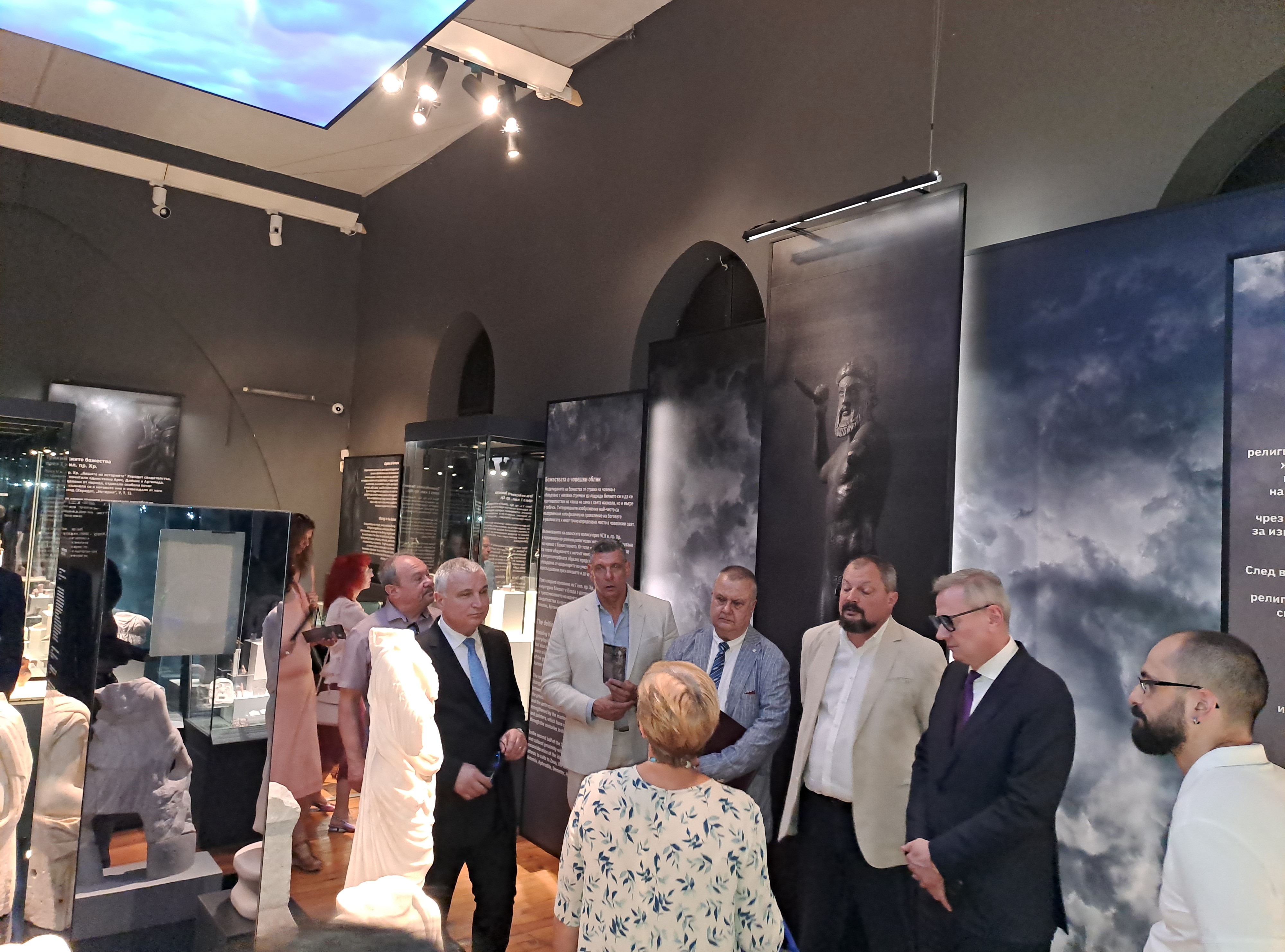

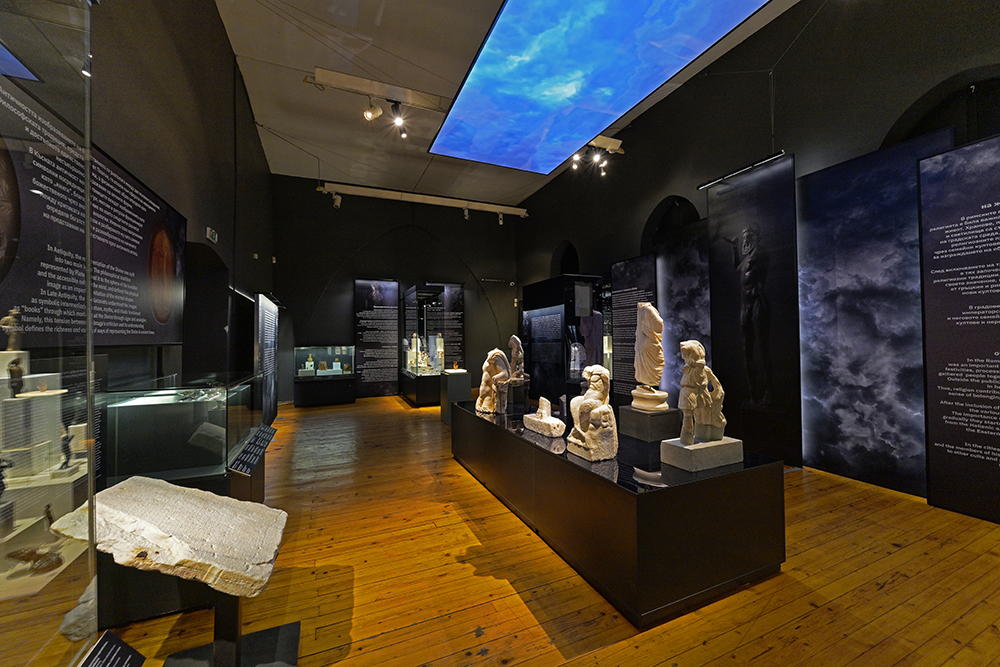
“The Forgotten Deities” temporary exhibition at the National Archaeological Institute with Museum of BAS offers visitors the chance to journey through over 6,000 years of spiritual history and to reflect on the ways in which different societies have sought to explain the world, nature and human existence. This large-scale project brings together over 200 rare artefacts and traces the development of religious beliefs across Bulgarian lands from the early Neolithic period to Late Antiquity. The official opening of the exhibition took place on 6 August.
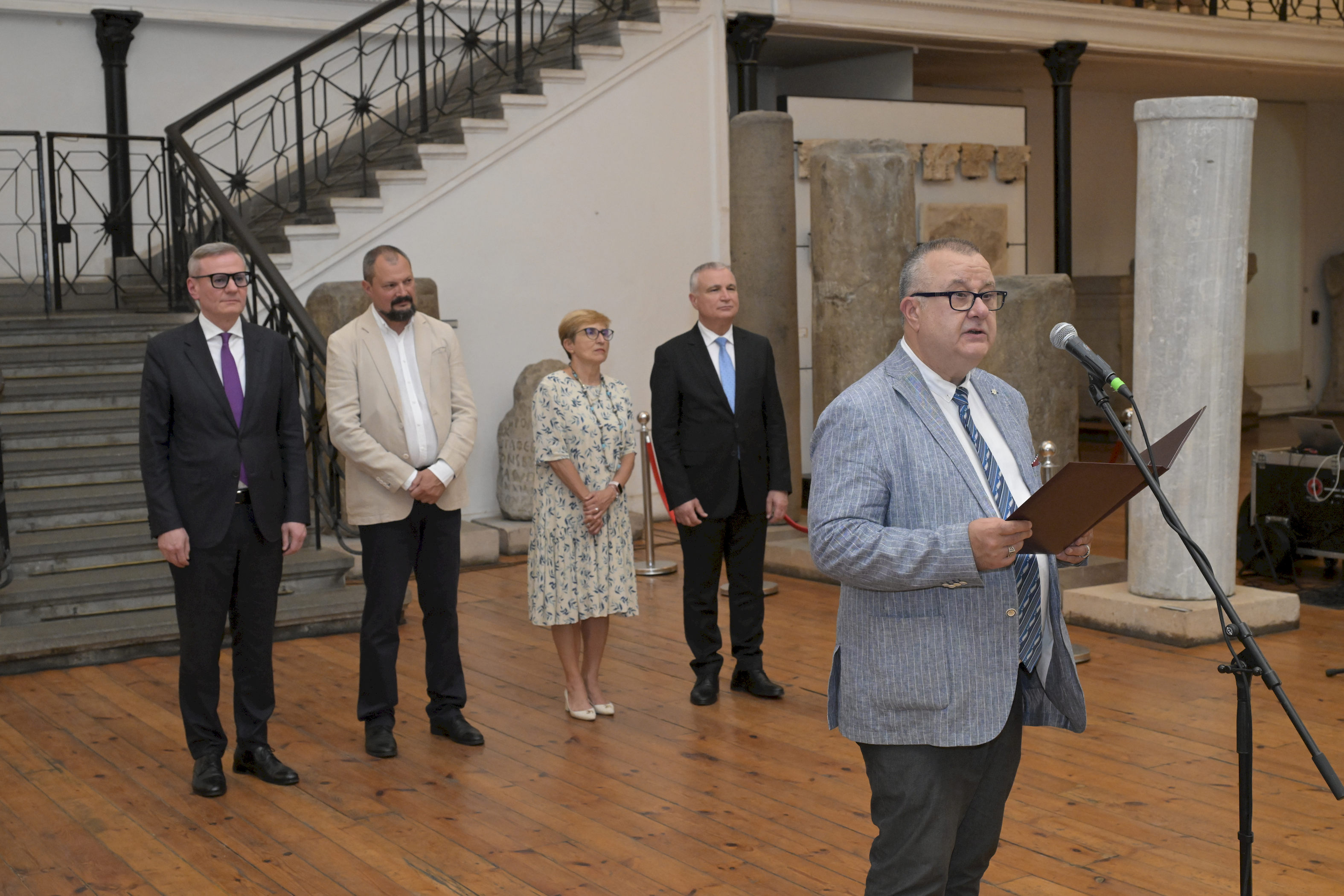
World mythology raises questions and seeks to explain why every culture creates stories that help people find their bearings and a way out of the chaos into which we are born with our first breath on this planet, said Prof. Emmanuel Moutafov at the opening of the exhibition.
The chilling uncertainty of human existence stems precisely from this chaos and from the unexplored realms we must traverse in both our material and spiritual worlds. However different our genes, life experiences and the responses with which our flexible brain reacts to these experiences may be, we must all cope with uncertainty as we strive to move from chaos to order, noted Prof. Moutafov adding that the exhibition sought to bring order to chaos.
“As you view this exhibition,” Prof. Moutafov addressed the guests at the opening, “bear in mind that the ancient inhabitants of our lands perceived the world as a stage, rather than as a collection of objects; on this stage,” he added, “even ideas were given physical form, morality was personified, and even our attitude towards it was personalised.” The Vice-President of BAS drew particular attention to one of the exhibits from “The Forgotten Deities” – the votive marble relief depicting Nemesis from the 2nd–3rd centuries, found in the village of Dobri Lag in the Pernik region. “Its iconography is quite similar to that of Themis,” he explained.
The Minister of Culture, Evtim Miloshev, opened the exhibition and, in his speech, expressed his admiration for the work of the archaeologists, conservators and museum specialists who had contributed to the realisation of the exhibition. He emphasised the importance of the partnership between the scientific community, cultural institutions and the state in preserving Bulgaria’s cultural and historical heritage. Minister Miloshev highlighted the significance of the exhibition as a bridge between the past and the future and as an example of the power of cultural heritage to preserve the collective memory of society. The Director of the National Archaeological Institute with Museum – BAS, Associate Professor Hristo Popov, said that the aim of the exhibition was not only to display the artefacts but also to remind visitors that the National Archaeological Museum had been Bulgaria’s first national museum and a national treasure trove ever since its establishment. Since its very inception, the museum has served as a national repository. Today, its collections hold over one million artefacts, Assoc. Prof. Popov added.
Among the official guests at the event were the Deputy Ministers of Culture and of Education and Science, Assoc. Prof. Dr Plamen Slavov and Prof. Senya Terzieva; the Director of the “Sts Cyril and Methodius” National Library, Assoc. Prof. Dr Kalina Ivanova; the Ambassadors of Greece, H.E. Mr. Alexios Liberopoulos; of Italy, H.E. Mr. Marcello Apicella; of Switzerland, H.E. Mr. Pierre Hagmann; of Germany, H.E. Ms. Irene Plank; and other representatives of the diplomatic corps, the academic community, public figures, museum specialists and the media.
The museum showcases some of the most valuable insights into the spiritual world of the ancient societies that inhabited what is now Bulgaria. Visitors will encounter depictions of forgotten deities, cults and mythological figures – from the Great Mother Goddess of prehistoric farming communities to Zeus, Dionysus, Mithras, the Thracian Horseman and a host of other deities from the Greco-Roman and Thracian religious traditions. Dozens of exhibits of high scientific and artistic value have been restored especially for the exhibition and are being shown to the public for the first time.
“The Forgotten Deities” explores themes such as prehistoric cults of fertility and natural cycles, religious practices during the Bronze and Early Iron Ages, the interaction between the Thracian and Hellenic religious traditions, and the diversity of cults prevalent across Bulgarian lands during the Roman period. Some of the finds entered the museum’s collections as early as the late 19th and early 20th centuries, whilst others are the result of contemporary archaeological research, donations and salvaged cultural artefacts.
The curators are Sen. Asst. Prof. Dr Kaloyan Pramatarov and Chavdar Chomakov.
The exhibition can be viewed until 17 January 2027. More about the exhibition