
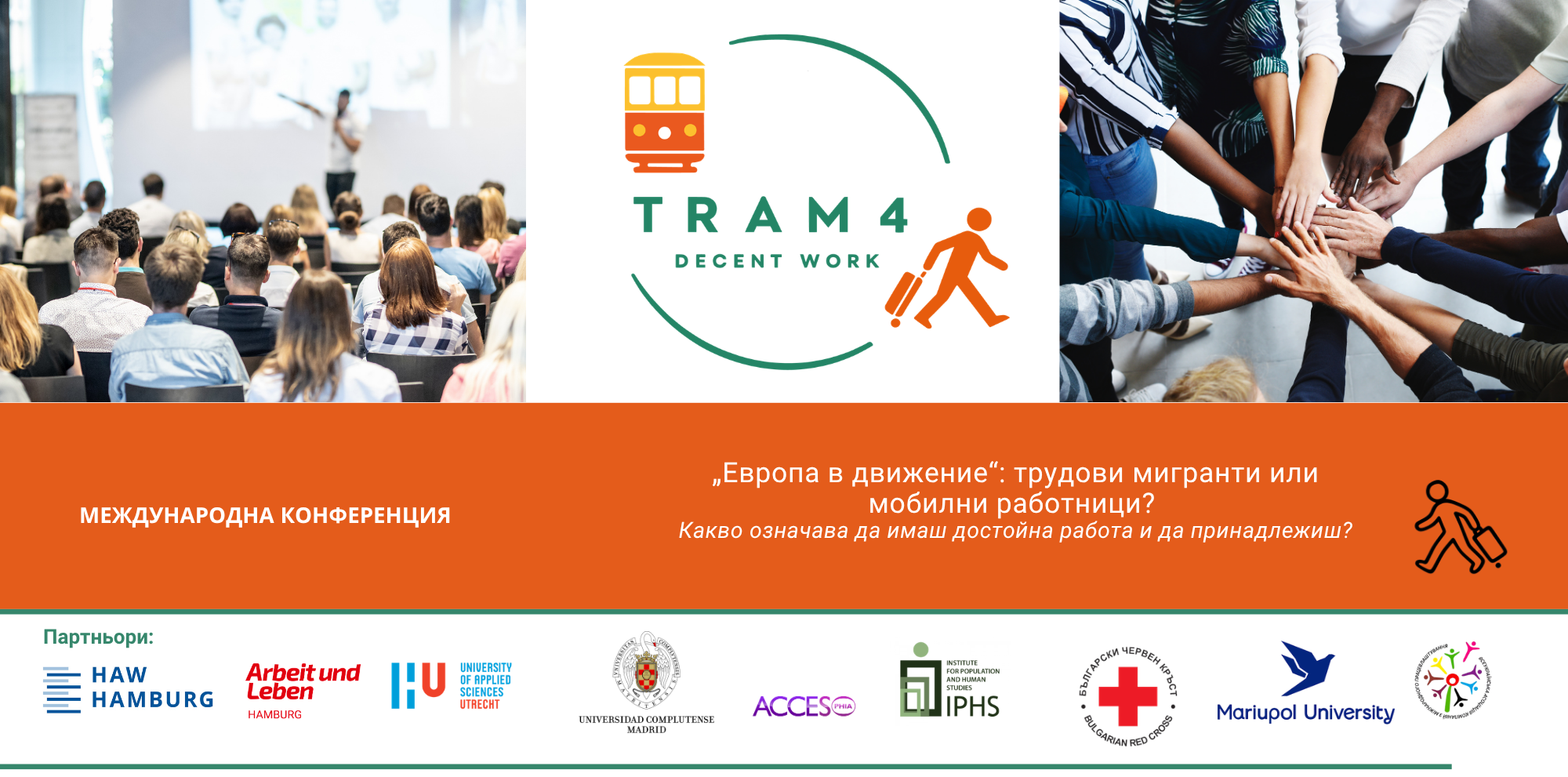
 An international conference entitled “Europe on the Move: Migrant Workers or Mobile Workers? What does it mean to have decent work and to belong?” opened today at the Bulgarian Academy of Sciences. The two-day forum is organised by the Institute for Population and Human Studies at BAS (IPHS – BAS) and the Bulgarian Red Cross.
Experts from five countries are discussing issues related to ensuring decent working conditions, equal rights and a genuine place in society for migrant workers. The Vice-President of BAS Prof. Shterian Shterionov welcomed the participants and guests to the conference, drawing attention in his speech to the long-standing impact of labour migration on life in Europe. “I hope that your expertise as academics will help inform sound policy decisions at a time when labour migration is of great importance to our country,” added the Vice-President of BAS.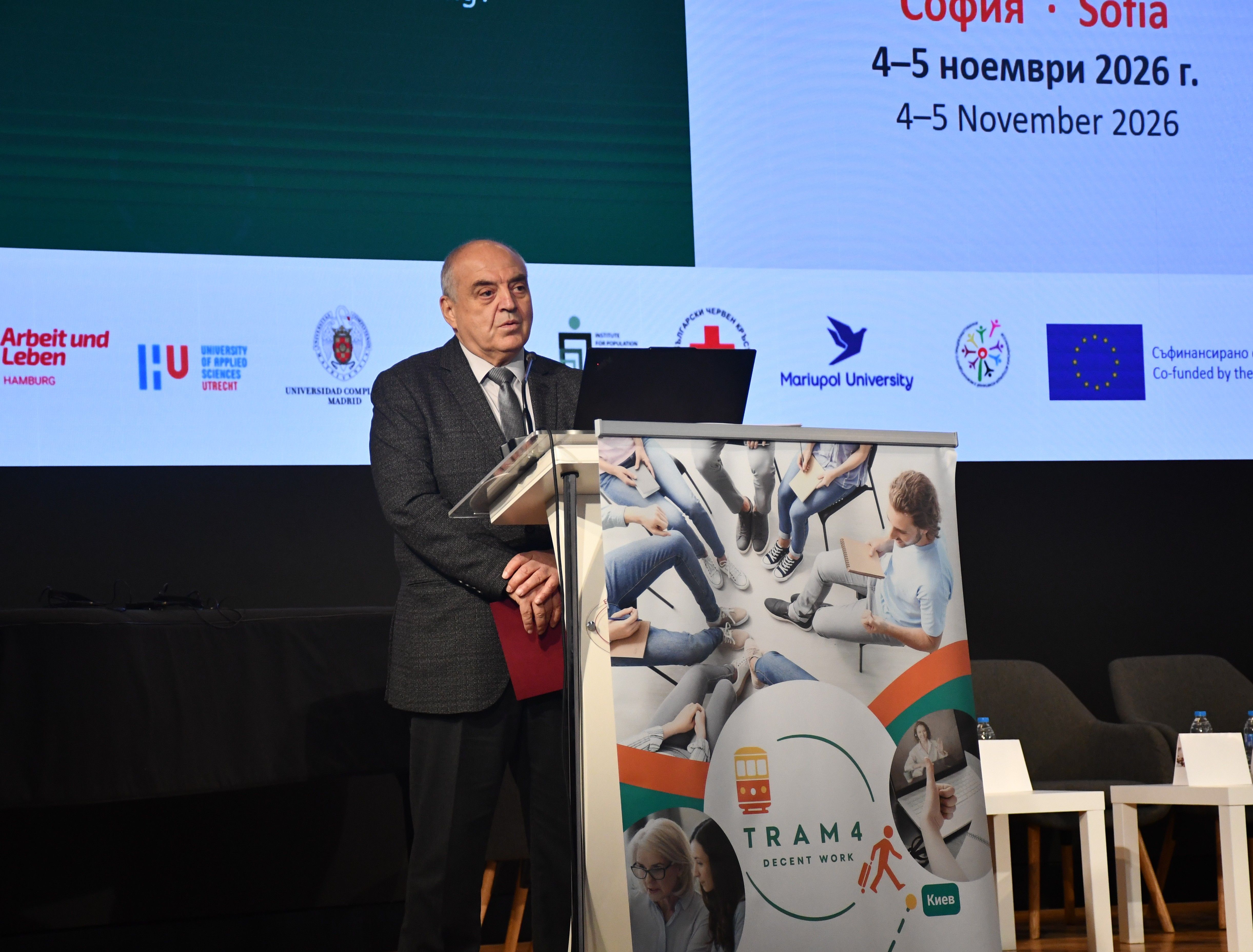
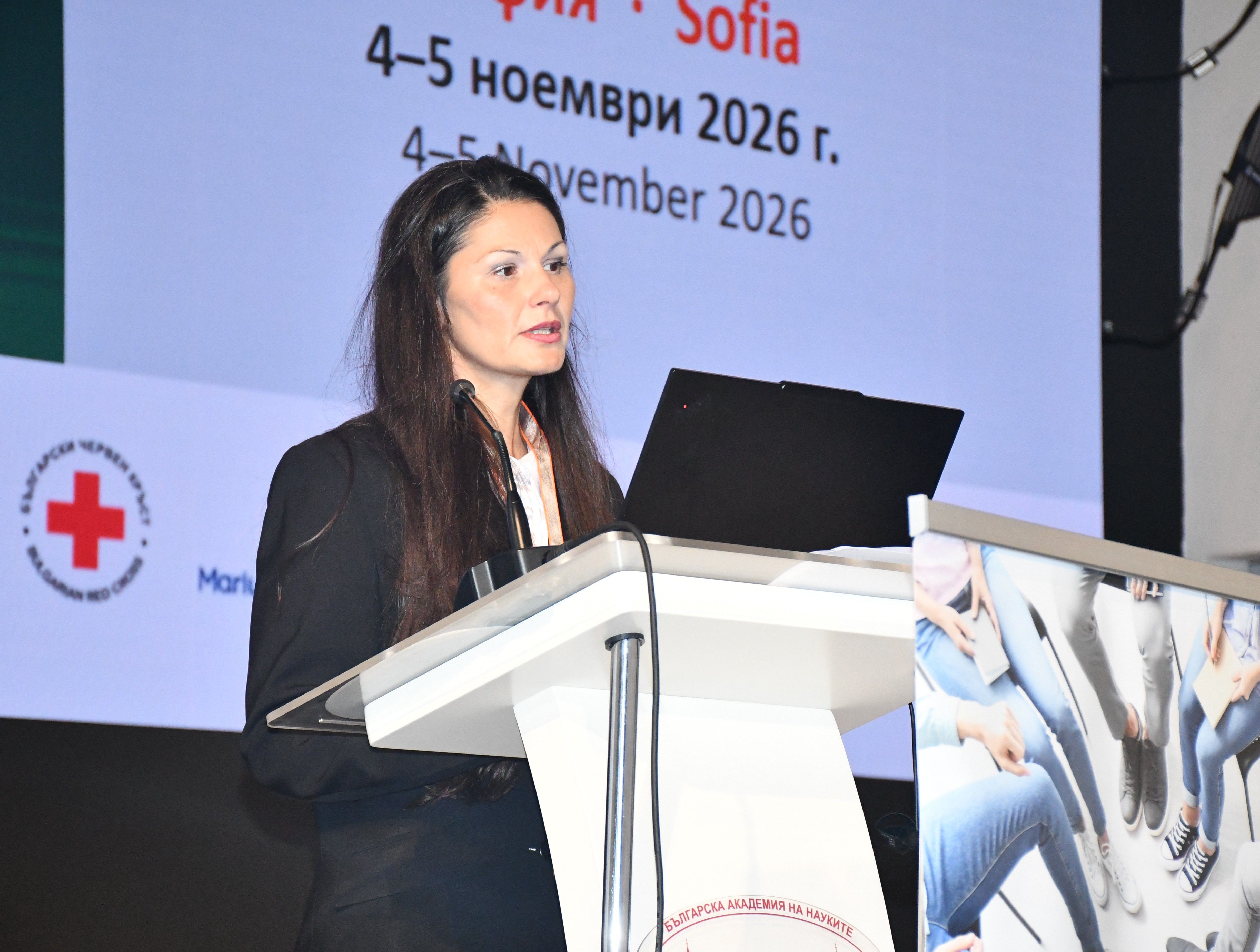
Assoc. Prof. Stoyanka Cherkezova from IPHS – BAS opened the conference and presented the main findings from the research carried out by the team working on the project “Transnational Migrant Counselling for Decent Work”. According to her, the problems faced by labour migrants are particularly evident in seasonal labour migration – when people go abroad for periods of several months at a time. She added that research had shown that those phenomena were particularly evident in sectors such as agriculture, construction, care, tourism and the hospitality industry. “Behind the statistics on these movements lie human destinies – people who want to work, to support their families and to secure a better future for their children. They are all people full of hope who do not always find justice and support. It is precisely on this experience that we have built the present project,” said Assoc. Prof. Cherkezova.
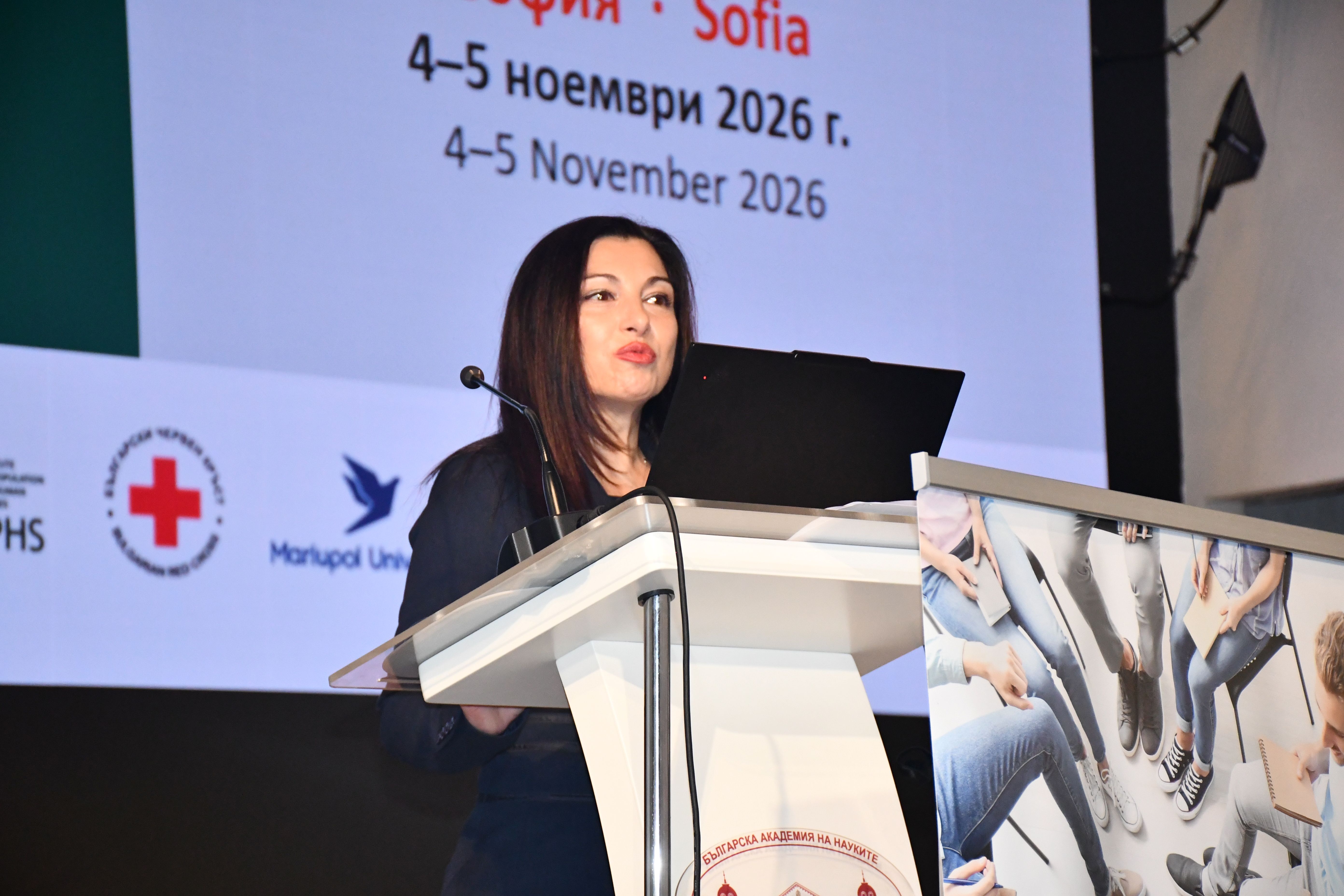
The Deputy Minister of Labour and Social Policy Nadya Klisurska attended the opening of the conference and outlined some of the ministry’s policies in the field of labour migration. In her words, the conference’s theme is becoming increasingly important for the modern labour market, and labour migration is only successful when it is based on legality, fairness and the protection of human dignity. “An effective labour migration policy does not end with the granting of a work permit or the employment of an individual. It begins to yield real results when that person has access to information about their rights, receives fair pay, works under transparent conditions, has effective protection mechanisms at their disposal and has the opportunity for professional development,” said Deputy Minister Klisurska.
The “Europe on the Move” conference: Migrant workers or mobile workers? What does it mean to have decent work and to belong?” is being held at the Bulgarian Academy of Sciences as part of the TRAM4DW project – “Transnational Migrants Counselling for Decent Work” co-funded by the European Union under the Erasmus+ programme. The project is establishing a network of advisory centres in Hamburg, Madrid, Sofia and Kyiv to protect mobile workers from exploitation, discrimination and being employed in jobs below their qualifications.
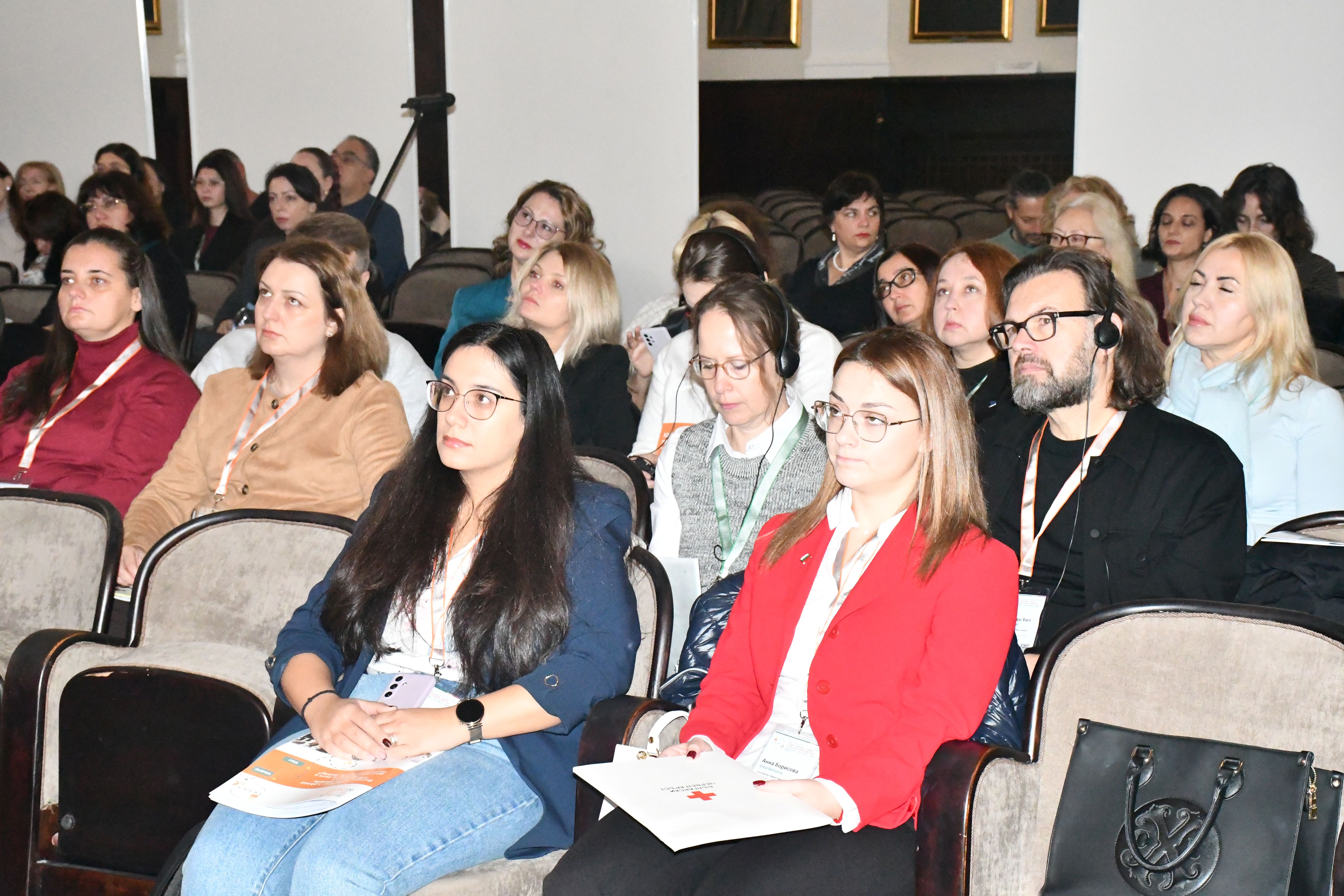
The discussions will cover three themes: free movement and mobile citizenship; decent work and the protection of workers; and social inclusion and non-discrimination. Participants include representatives of state institutions, international organisations, non-governmental organisations, employers and universities from Bulgaria, Germany, Spain, the Netherlands and Ukraine.