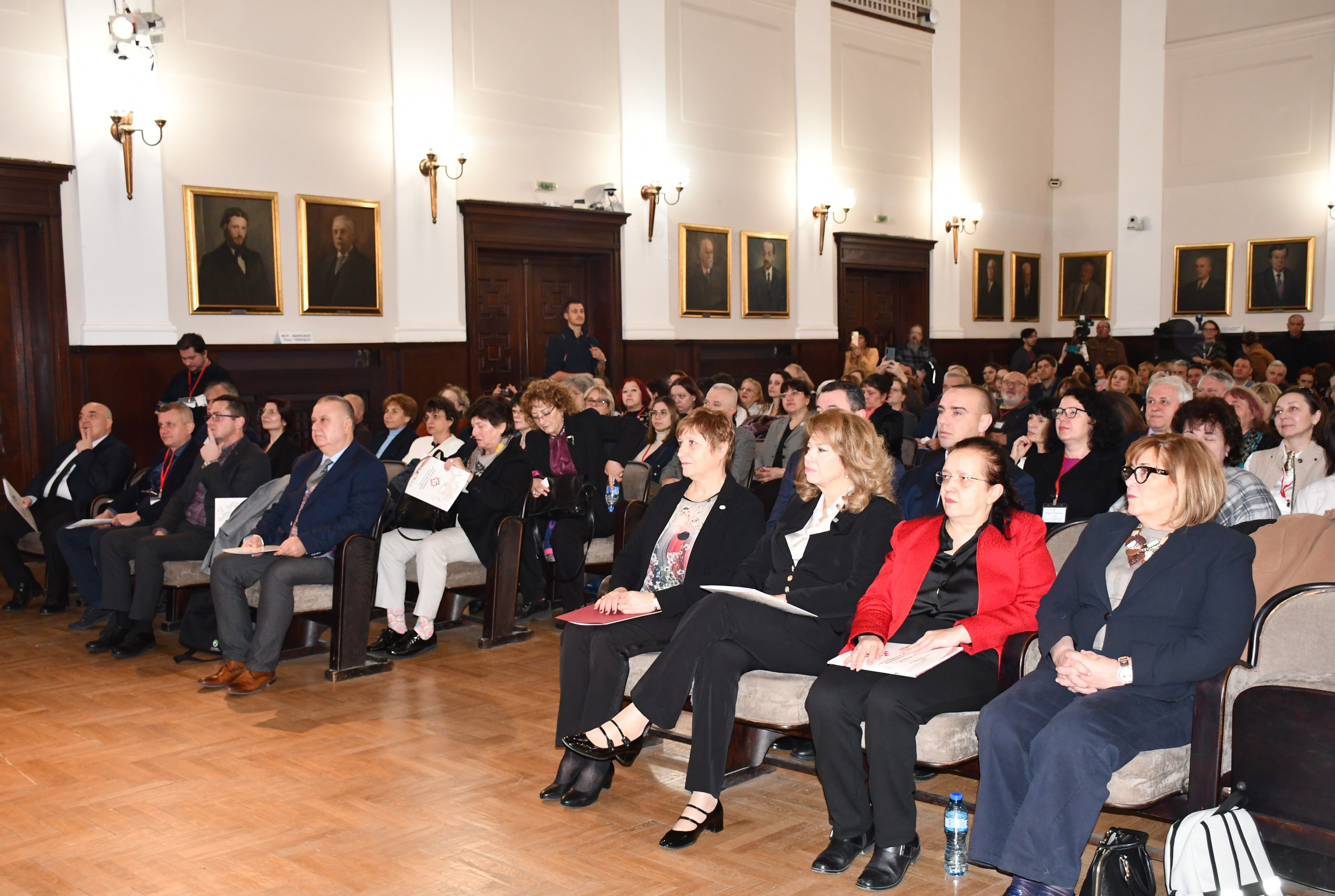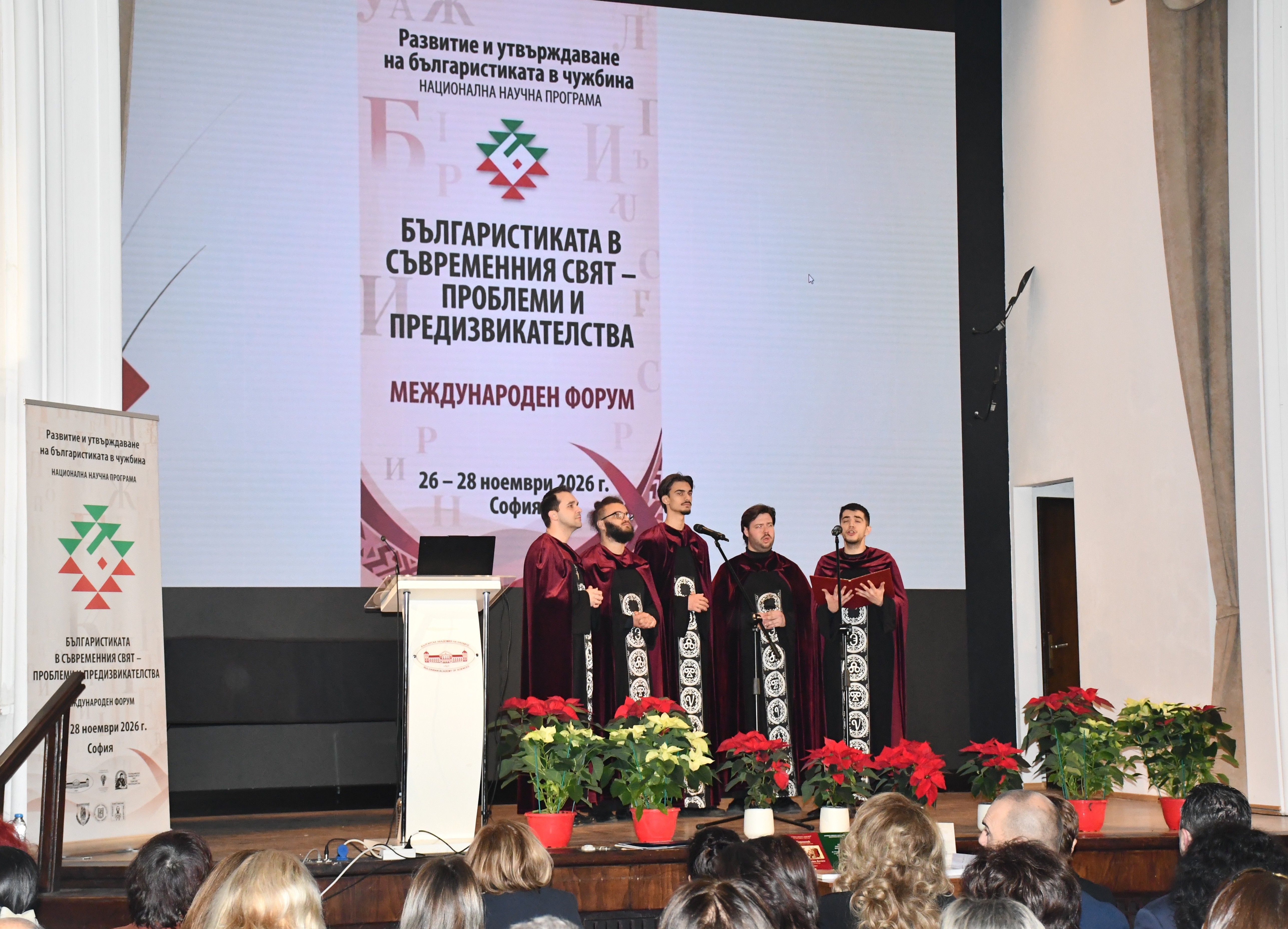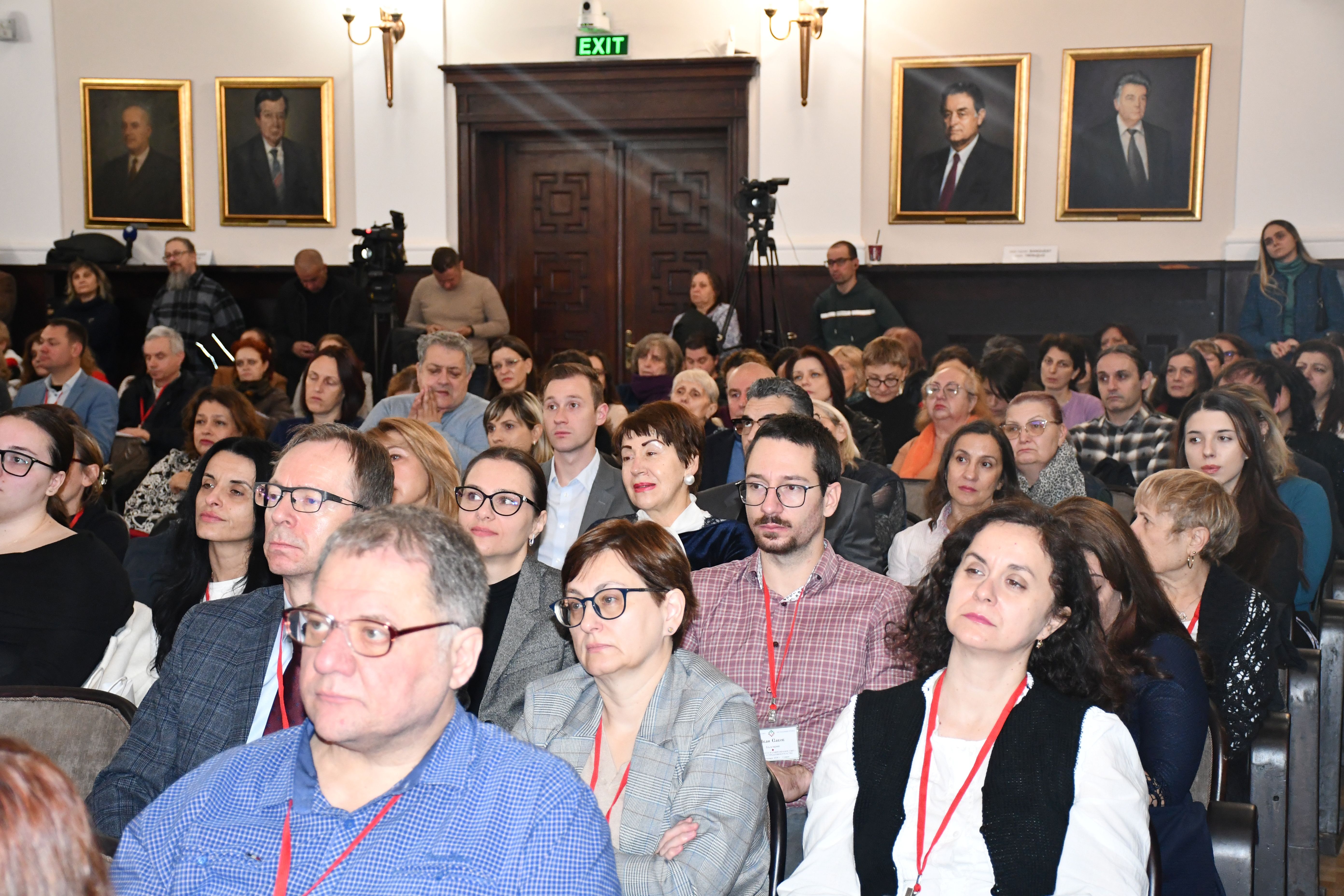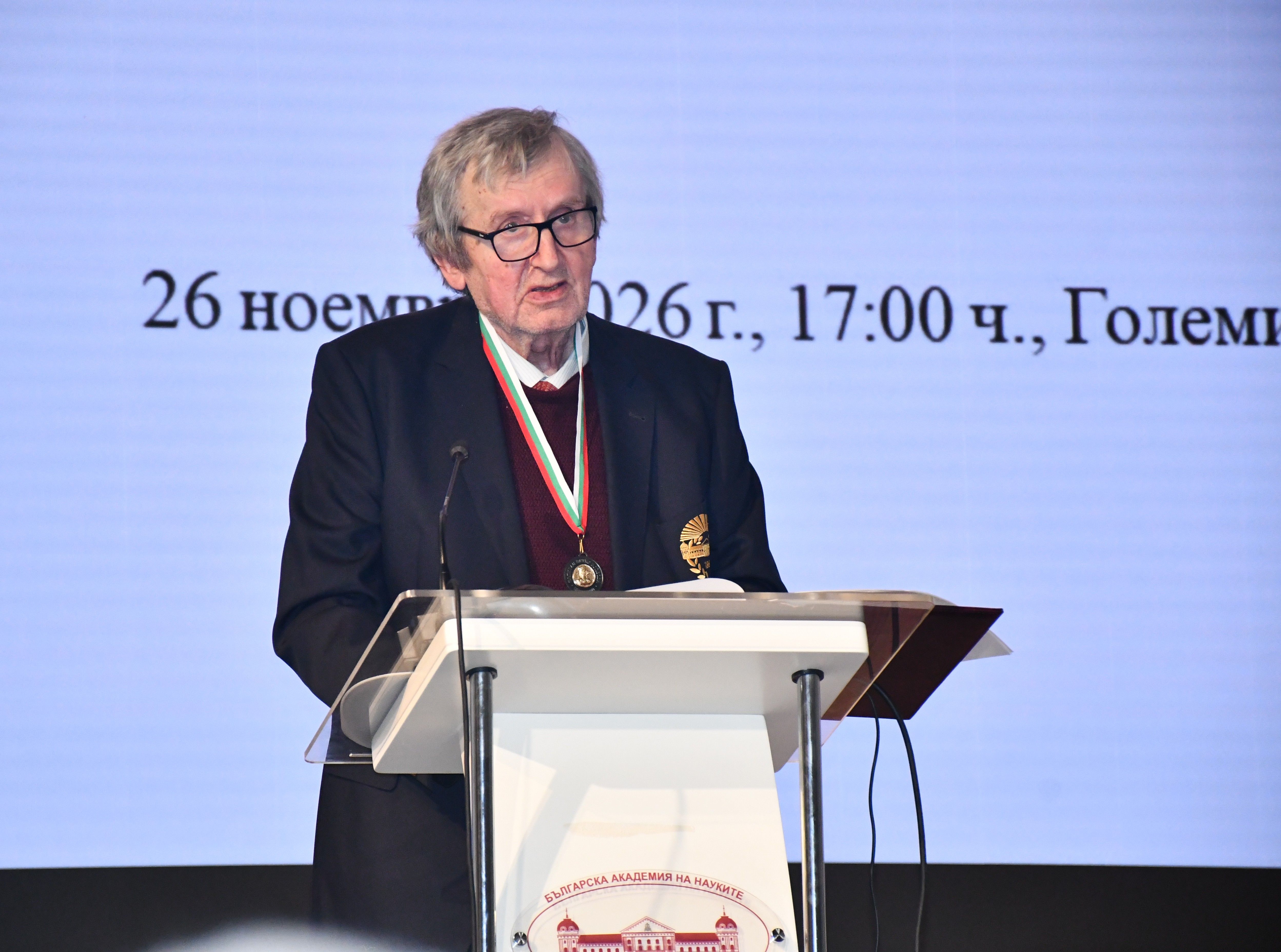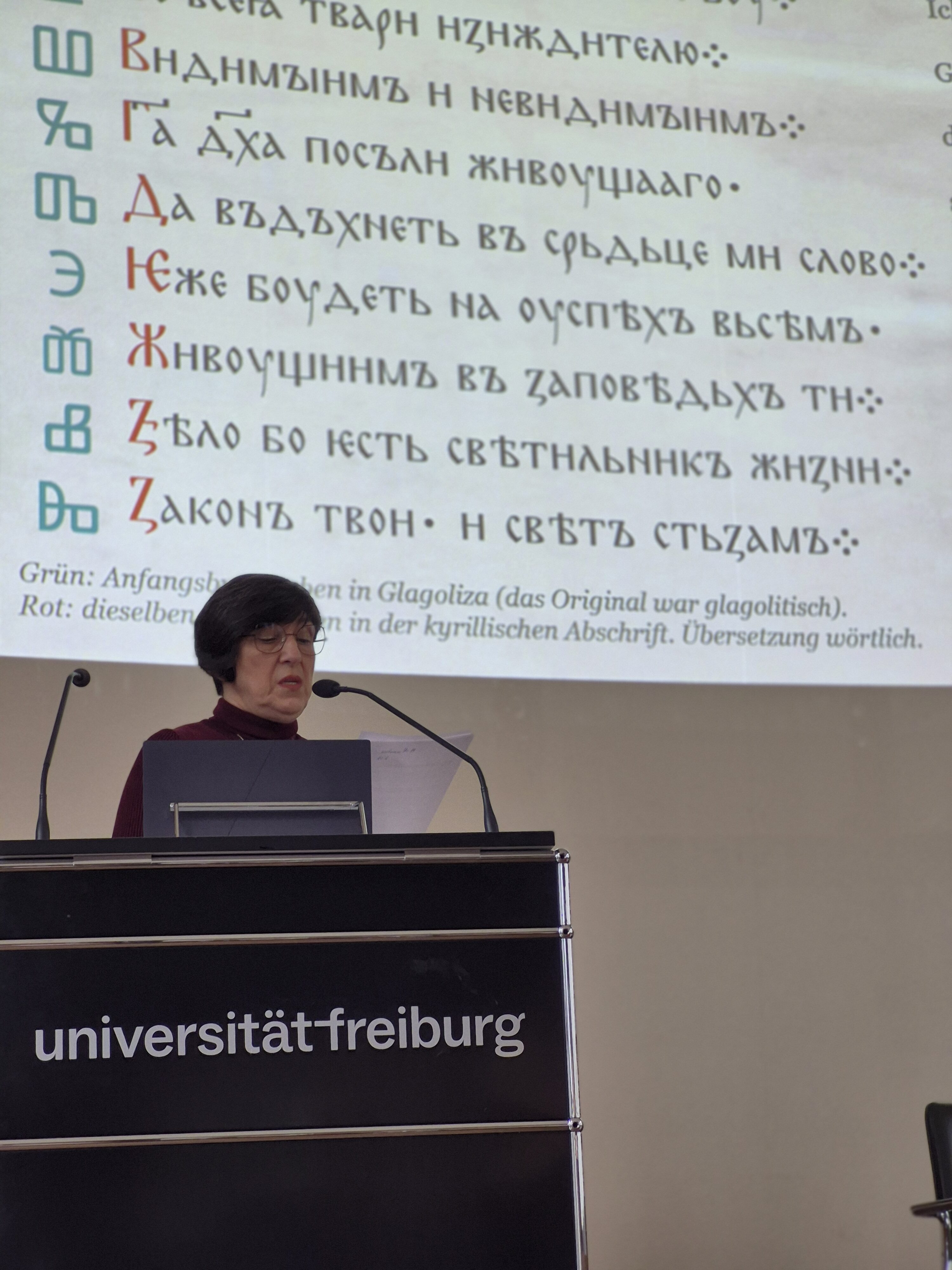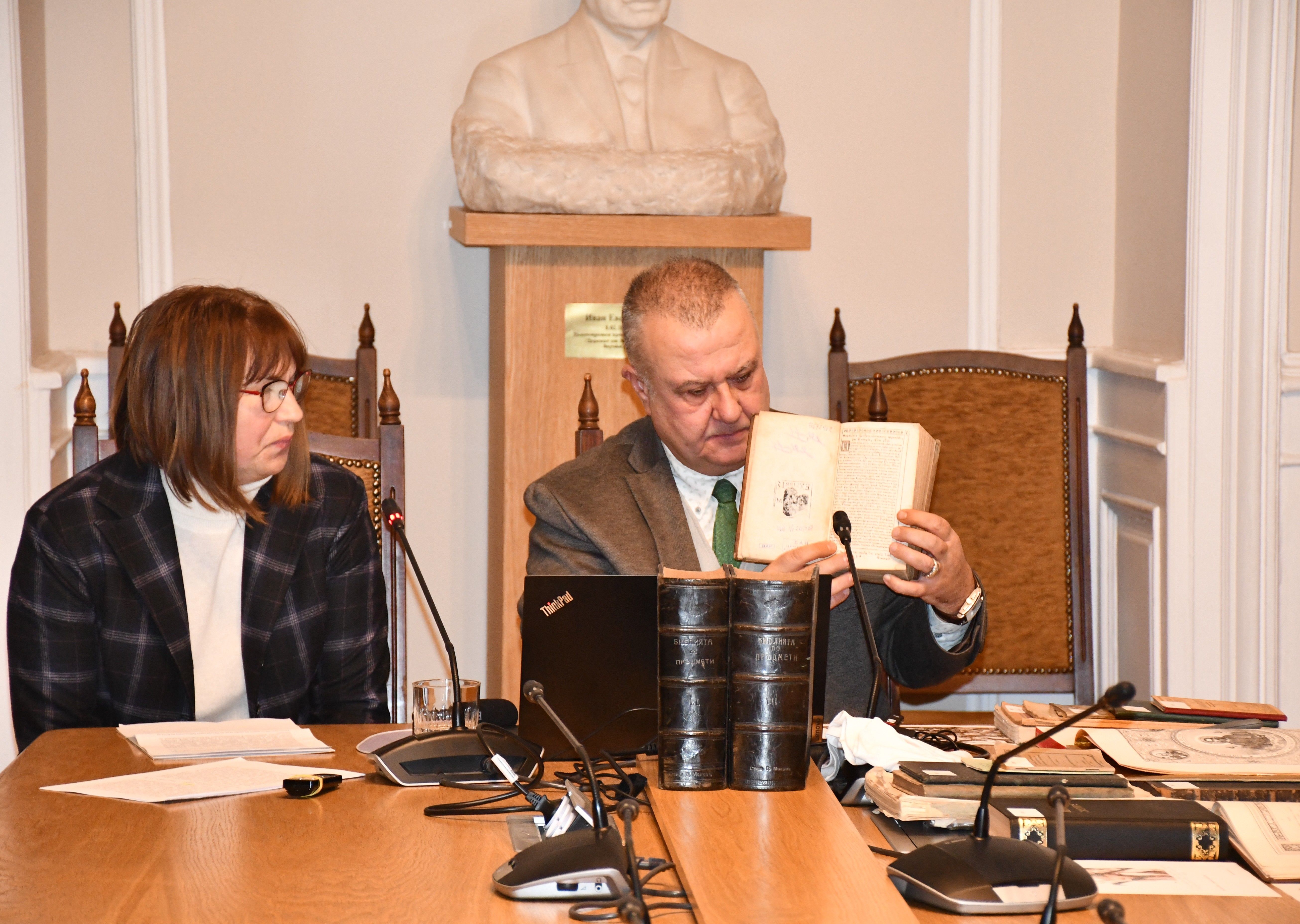

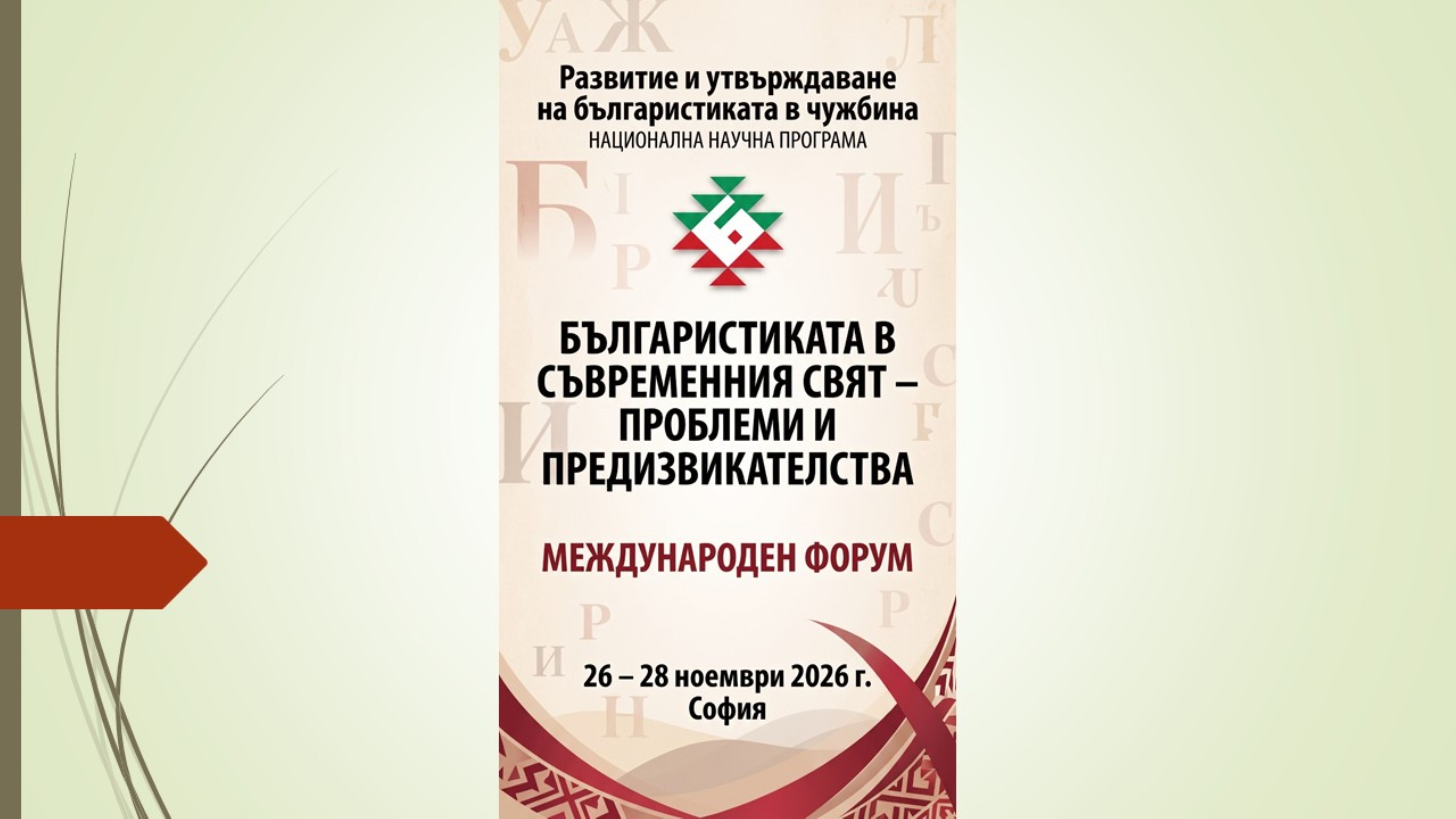
The Bulgarian Academy of Sciences hosted the opening of the international forum “Bulgarian Studies in the Modern World – Issues and Challenges”. The official opening of the forum, organised as part of the “Development and Promotion of Bulgarian Studies Abroad” National Scientific Programme, took place in the “Prof. Marin Drinov” Hall. Over 150 researchers, lecturers and specialists in Bulgarian studies from 20 countries, both from Bulgaria and abroad, will present academic papers. The main areas of focus are linguistics, literary studies, history, ethnology, anthropology and cultural exchange, Bulgarian studies abroad, and applied Bulgarian studies.
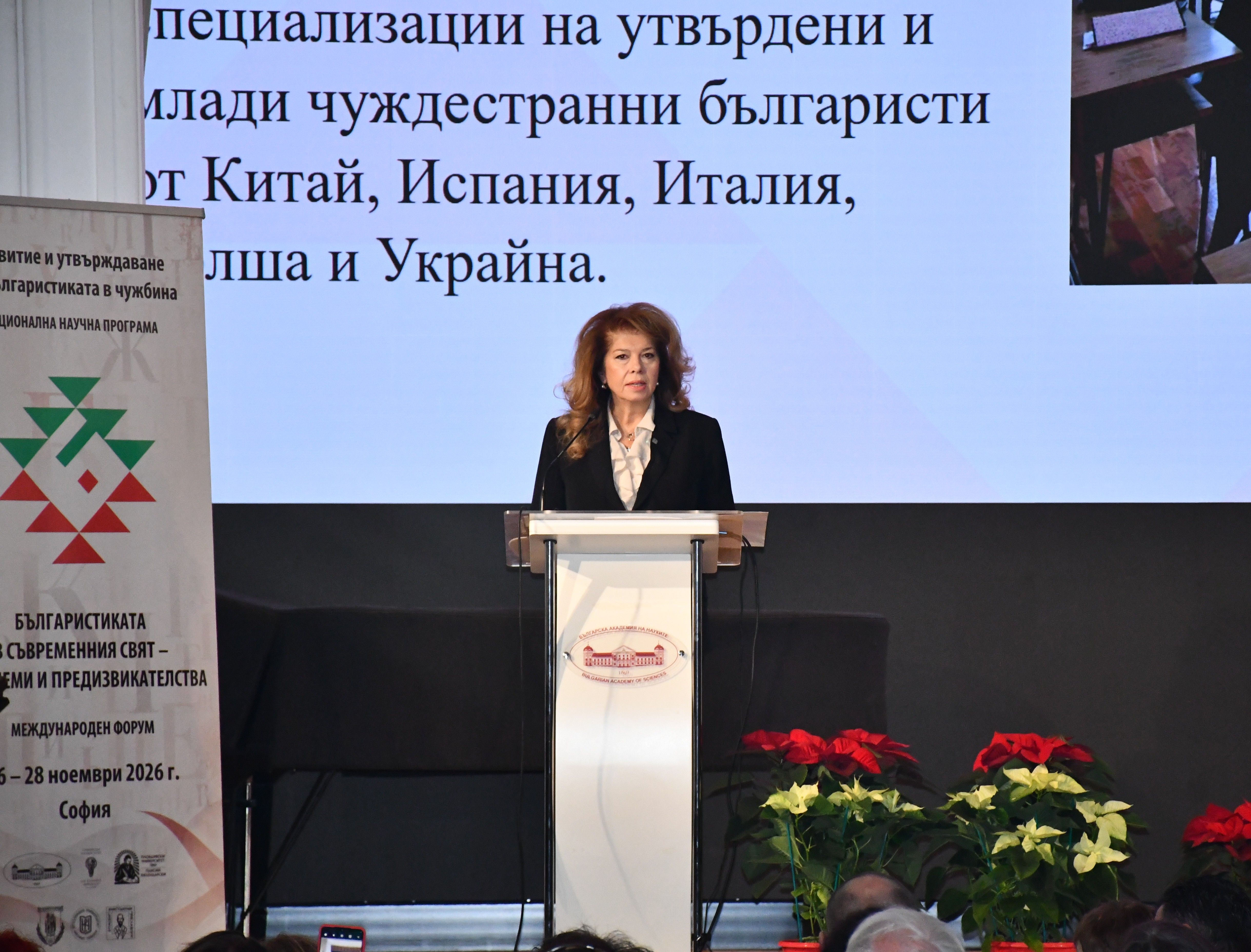
The three-day forum is being held under the auspices of President Iliana Iotova. “We are kindred spirits,” said the President in her welcome address to the guests and participants at the event, “in our love for the language – for the ancient, well-honed, eternal and enduring Bulgarian language.” “For me, Bulgarian studies and the preservation and development of the Bulgarian language are a cause,” emphasised the Head of State, adding that together we bear the mission and duty to defend the Bulgarian language and promote it throughout the world, and through it to spread knowledge about Bulgaria. A country with a long and glorious history, having made an enormous contribution to global spirituality and culture, Bulgaria is the homeland and guardian of the Cyrillic alphabet. The President said that our language preserved the oldest statehood in Europe. The language has safeguarded it through difficult times and bloody battles for faith, honour and dignity, she added.
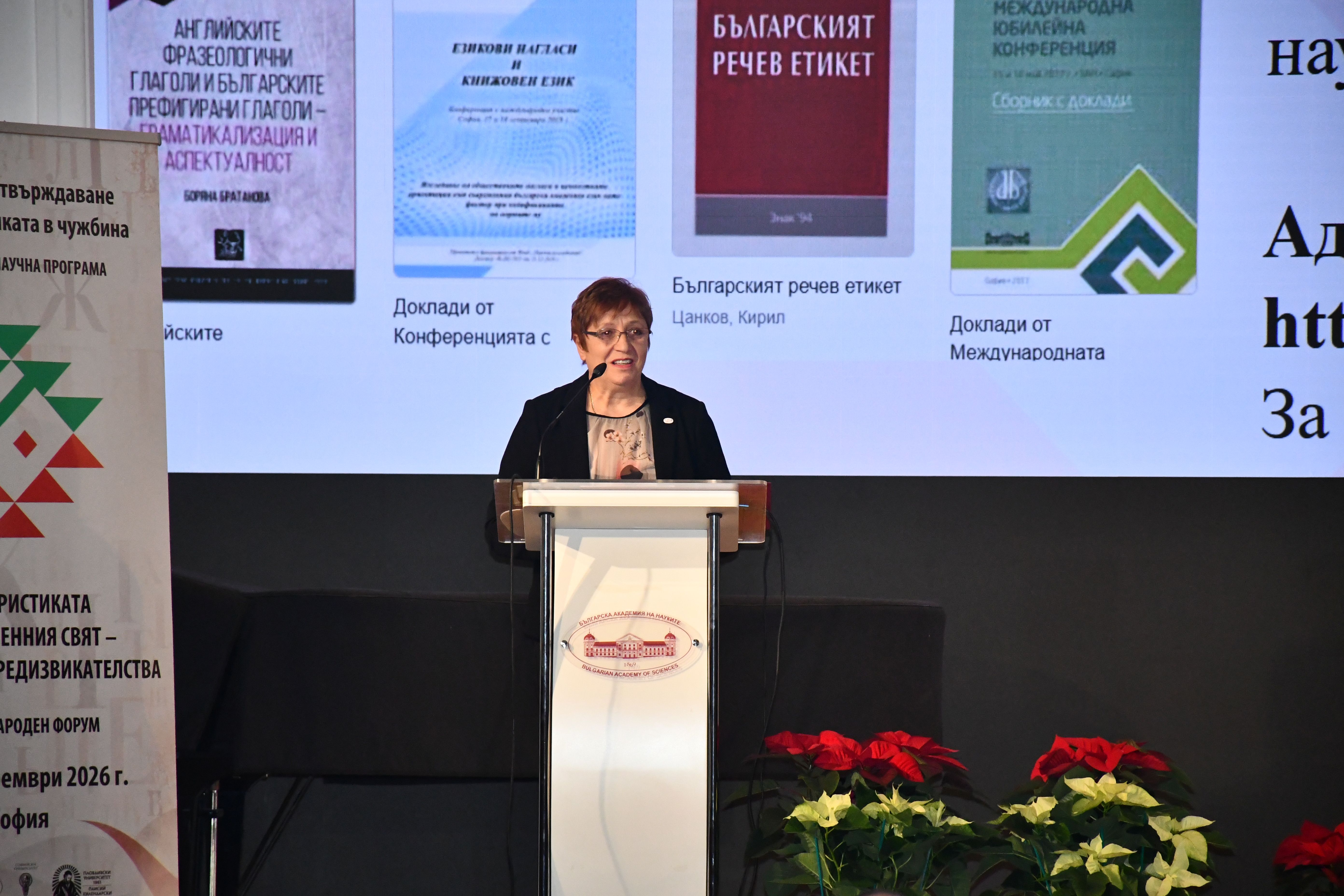
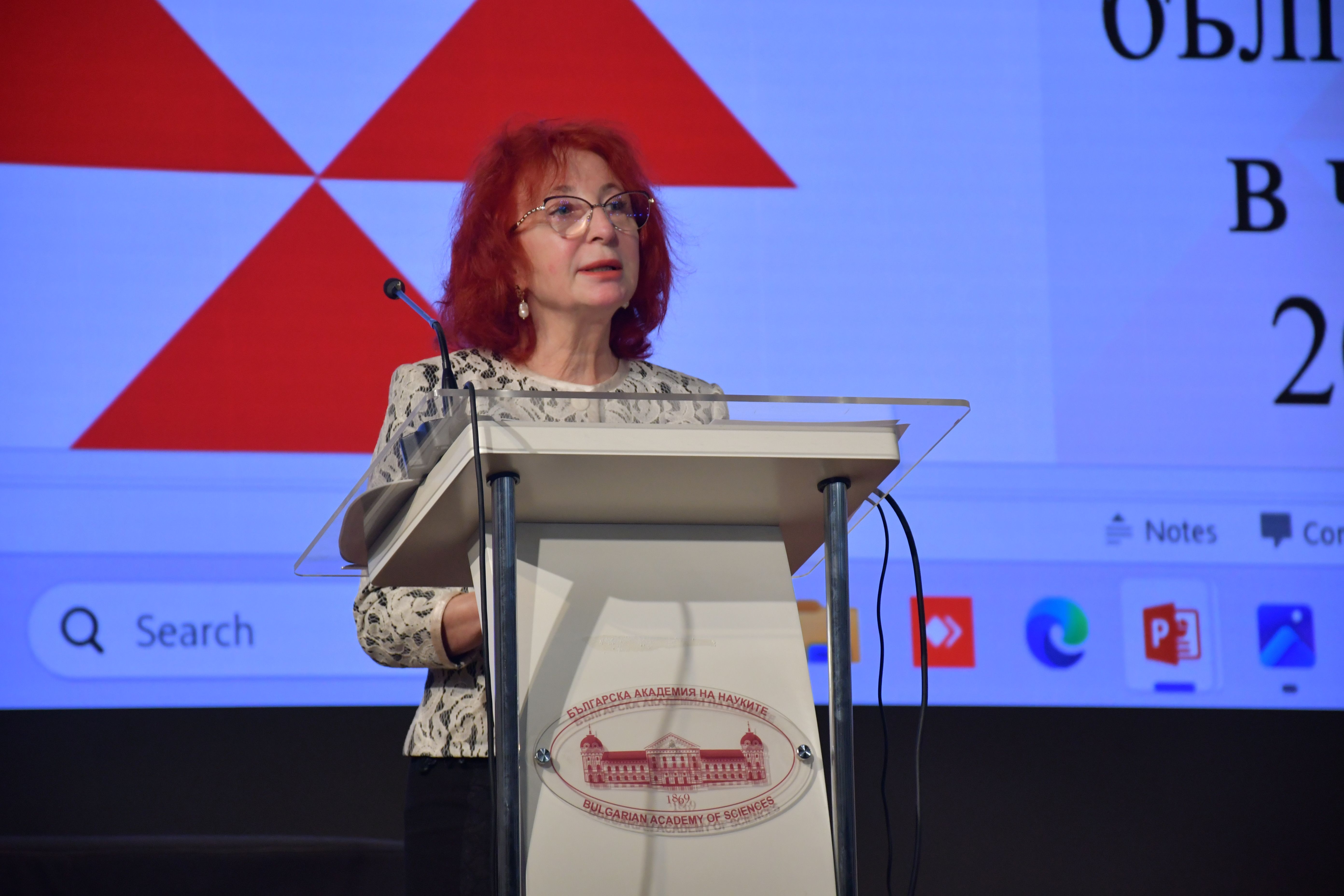
Bulgarian Studies serve as a bridge to the modern world – to its multilingualism, cultural diversity and dynamically evolving academic horizons, said the President of BAS, Corresponding Member Evelina Slavcheva, at the opening ceremony. I am convinced, noted Corr. Memb. Slavcheva, that the achievements within the framework of the National Programme form an important foundation for the development of a coherent, coordinated and sustainable national policy that will ensure continuity between generations of researchers, encourage young scholars, strengthen centres and lectureships specialising in Bulgarian studies, and secure a worthy place for the Bulgarian language and culture in the contemporary digital environment. In her address, the President of BAS pointed out that we must not forget that language was not only a means of communication but also a vehicle for historical memory, values and spirituality. For this reason, Corr. Memb. Slavcheva emphasized, the promotion of Bulgarian studies abroad is a mission of long-term national and international significance.
In her speech, the Rector of Sofia University “St. Kliment Ohridski”, Prof. Eliza Stefanova, addressed Bulgarian studies scholars noting that thanks to their work Bulgaria had begun to play a more active role in cultural and diplomatic circles around the world, not merely as a geographical concept but as a spiritual territory. The study of Bulgarian studies abroad is also a way for our country to participate in the global academic and cultural dialogue, the Rector added.
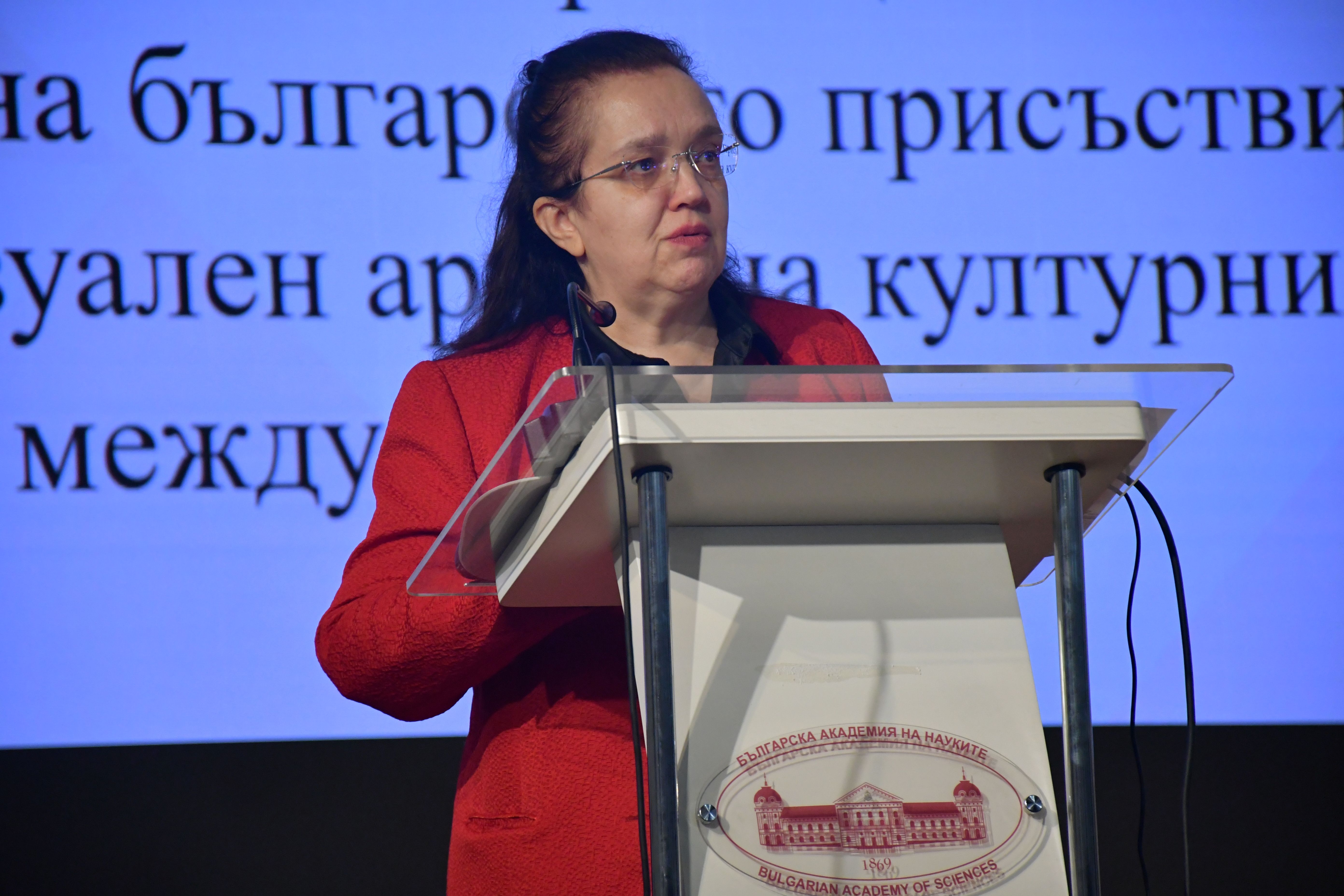
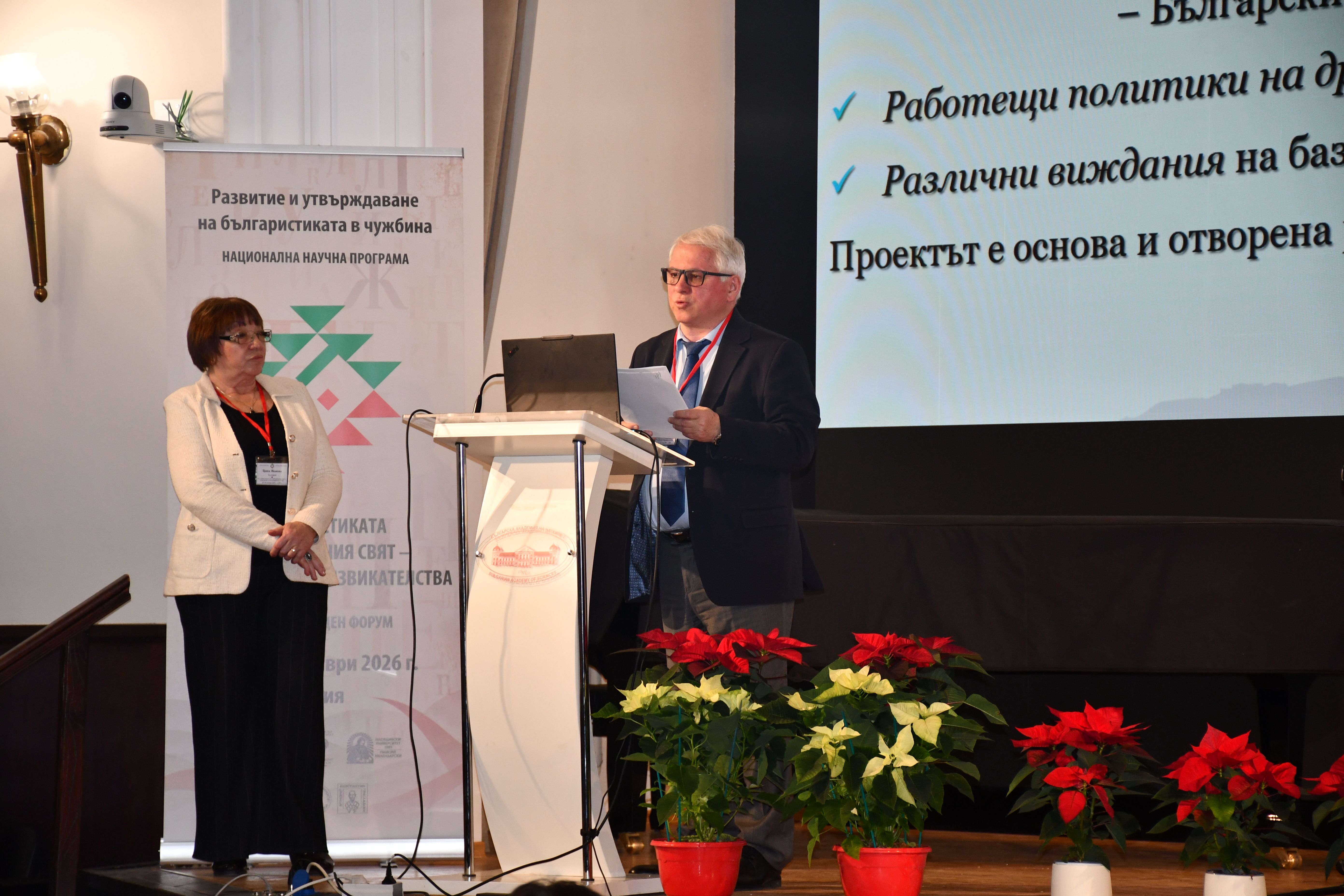
The Chair of the Executive Board of the consortium for the National Programme “Development and Promotion of Bulgarian Studies Abroad”, Prof. Elka Traykova, highlighted the key priorities and some of the activities carried out during the programme’s implementation period (2022–2026). What has been achieved so far is of strategic national importance for the equal standing of the Bulgarian language within the Common European Framework of Reference for Languages and will be presented during the forum, said Prof. Traykova. A draft national strategy entitled “Bulgarian Studies without Borders: Sustainability, Innovation and Presence in the Modern World” was also presented at BAS.
The National Scientific Programme is being implemented by a national consortium, with the Bulgarian Academy of Sciences as the beneficiary and the following partners: Sofia University “St. Kliment Ohridski”, “Sts Cyril and Methodius” University of Veliko Tarnovo, “Paisii Hilendarski” University of Plovdiv, “Bishop Konstantin Preslavsky” University of Shumen and South-West University “Neofit Rilski”.
The forum’s sessions, running until 28 November, will take place at the Bulgarian Academy of Sciences, Sofia University “St. Kliment Ohridski”, and the “Sts Cyril and Methodius” National Library.
For further information: Портал „Българистика“