

Research division
Astronomy, Space Research and Technologies
Institutes and Academic Specialized Units

Daniela /Neli/ Jordanova
Scientific secretary of divisions 6. Climate changes, risks and natural resources and 7. Astronomy, space research and technology
d.jordanova@cu.bas.bg
National Institute of Geophysics, Geodesy and Geography
Within the division, research is carried out in the field of astronomy, astrophysics, aerospace systems and technologies.
Considerable success has been achieved in studying the development of stars and star clusters and in the search for planets outside the solar system. The achievements in the study of the Sun and the small bodies – the asteroids and comets in the solar system – are world recognized. They have been made thanks to the effective use of the National Astronomical Observatory “Rozhen” which is a national, regional and European astronomical center for research and education.
One of the main areas of the activity is satellite data acquisition and processing and remote observation of the Earth’s surface. Remote and direct methods and equipment for the exploration of the Earth space and planets used for various scientific and applied tasks have been developed. Scientific equipment and research systems for studies with rockets, satellites, planetary probes and piloted space flights have been developed. Data on climate change from solar and cosmic origin is collected. Significant experience has been gained in space biotechnology, biomedical space research and telemedicine.
News
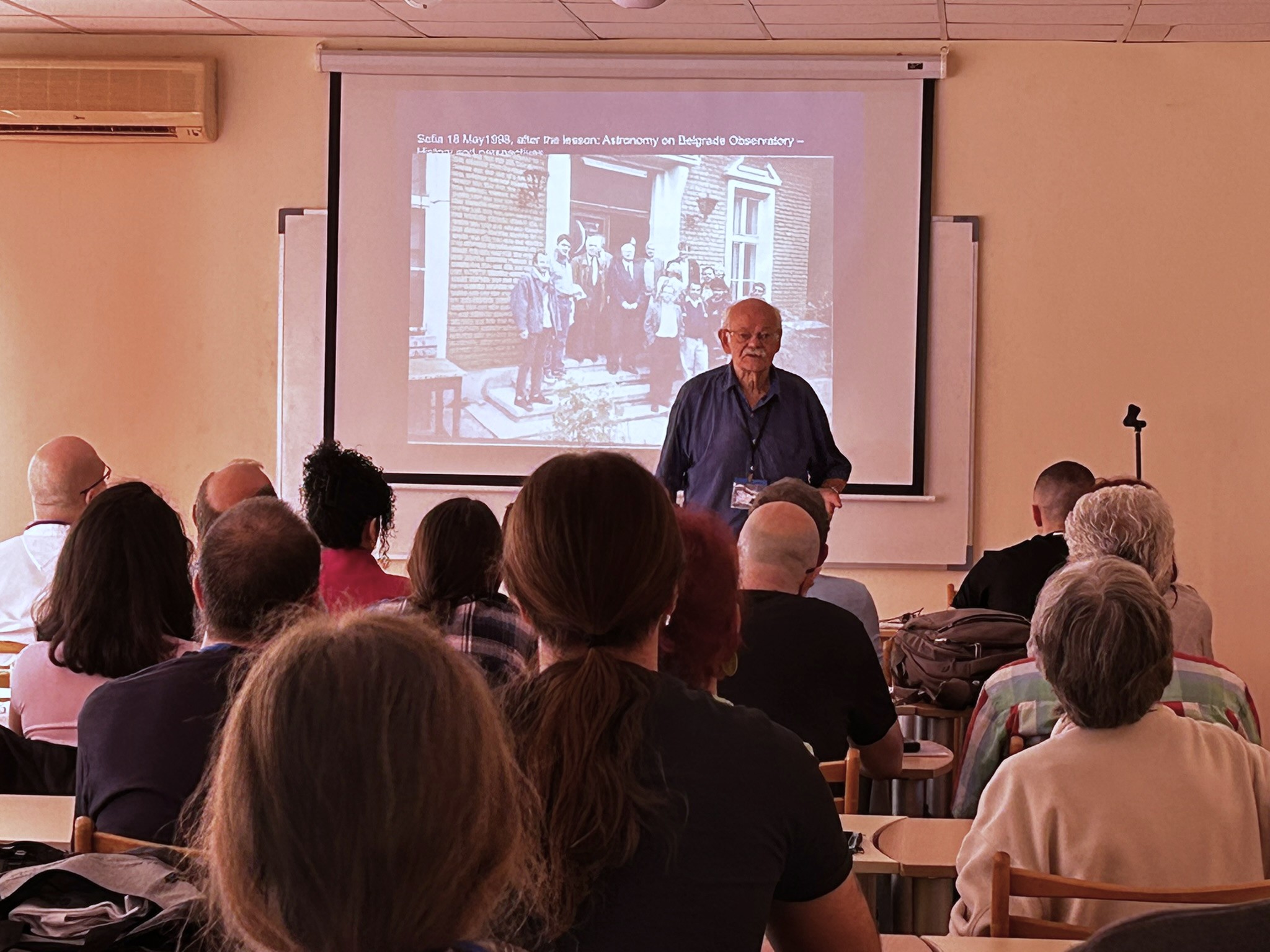
15th Bulgarian-Serbian Astronomy Conference with international participation
Over 70 astronomers from five countries are discussing their scientific achievements at the forum from 13 to 18 September The 15th Bulgarian-Serbian Astronomy Conference began at the Creativity House of BAS in Varna with a [...]
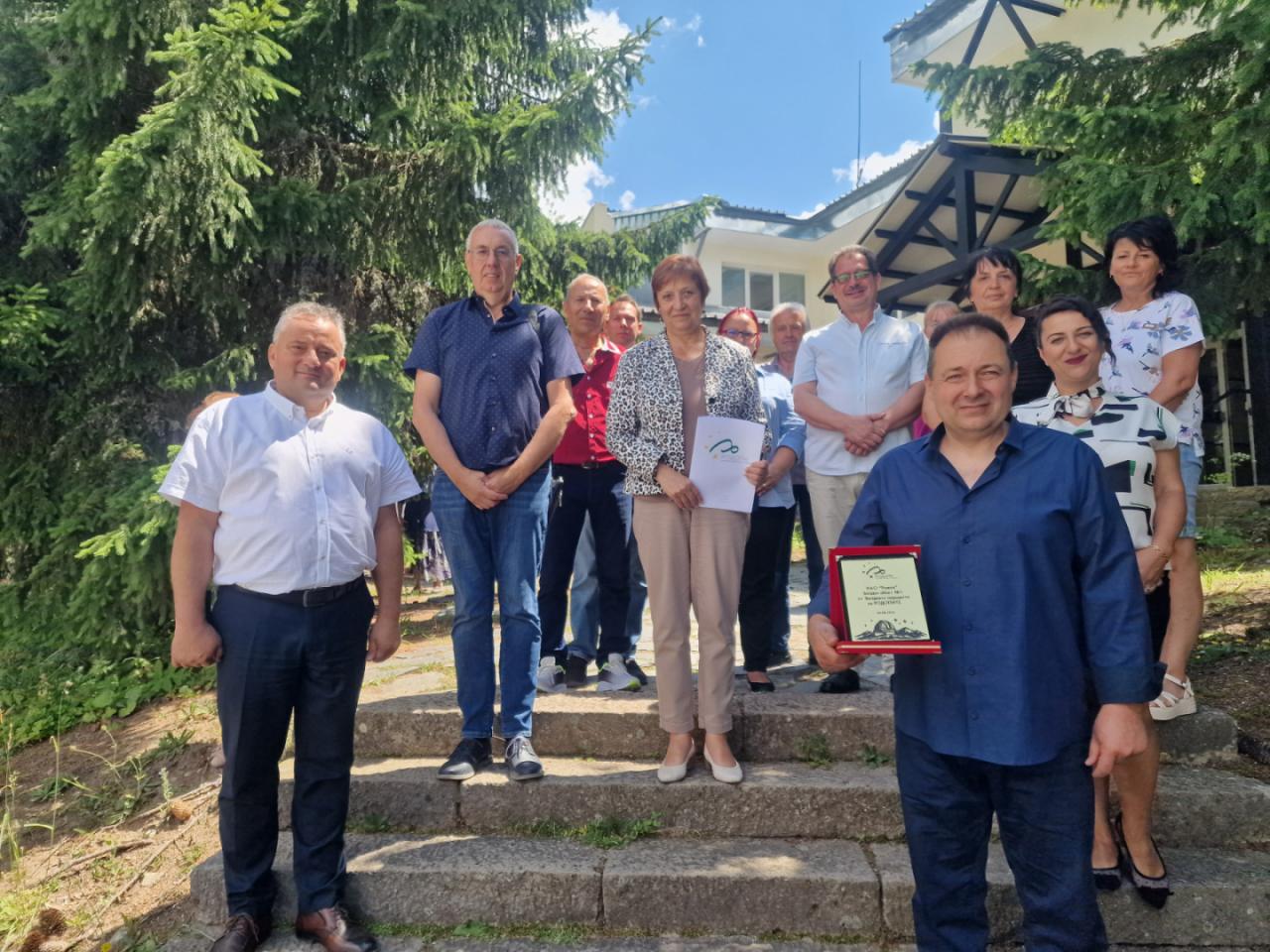
Exhibition on the April Uprising at the “Rozhen” NAO
National heritage and modern science came together at the largest astronomical complex in South-East Europe “The April Uprising of 1876 and its Impact on the Lives of Members of the Bulgarian Learned Society” exhibition opened [...]
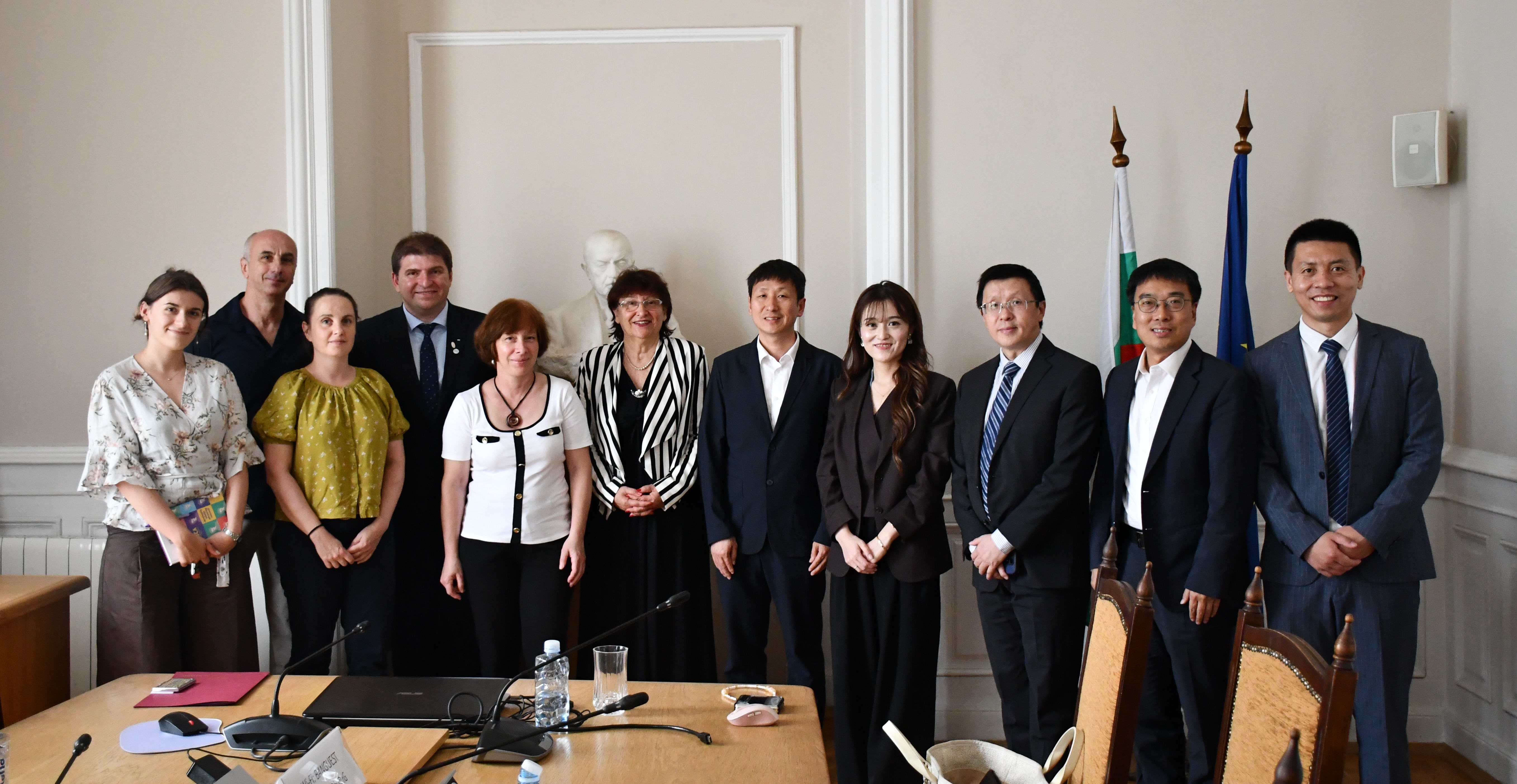
A delegation from the Chinese Technology and Engineering Center for Space Utilization visits BAS
The Vice President of BAS Corresponding Member Evdokia Pasheva met today at the Academy with a delegation from the Technology and Engineering Center for Space Utilization (CSU) of the Chinese Academy of Sciences - the [...]
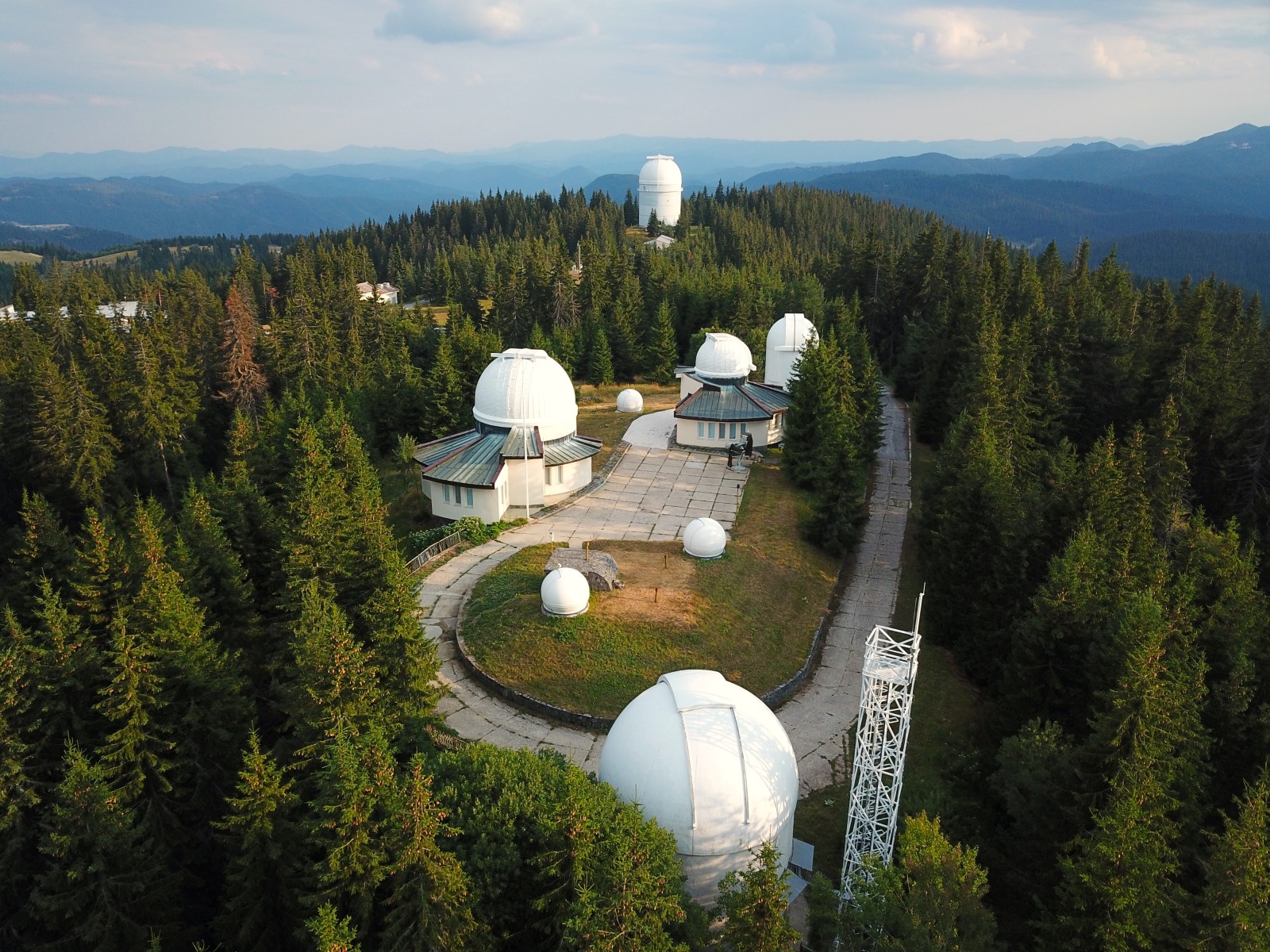
45 Years of the Rozhen National Astronomical Observatory
The Institute of Astronomy with NAO - BAS marks its anniversary with new telescopes and major scientific projects The Rozhen National Astronomical Observatory (NAO) at the Institute of Astronomy of BAS officially opened its doors [...]

Bulgarian astronomers publish in the prestigious Astronomy & Astrophysics science journal
The FoReRo2 instrument mounted on the 2-meter telescope at NAO Rozhen Light from distant astronomical objects often travels billions of years before reaching Earth. It carries information about its source encoded in its [...]
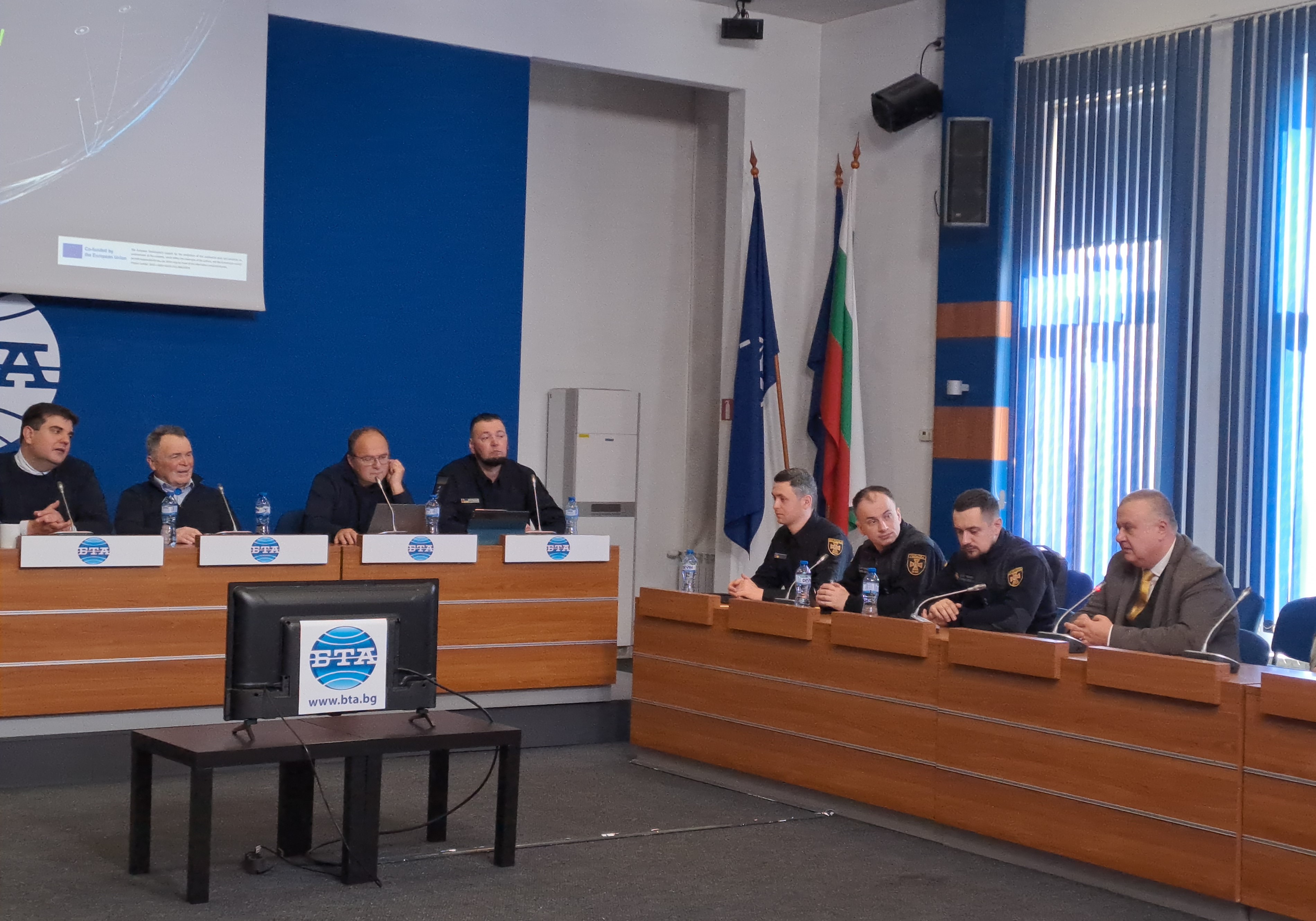
The SUDEM project has been presented at a press conference
A press conference on “The SUDEM strategic European project, focusing on the digitization of forecasting, preventing serious consequences, and managing processes in disasters and accidents, has come to a successful conclusion” was held today at [...]
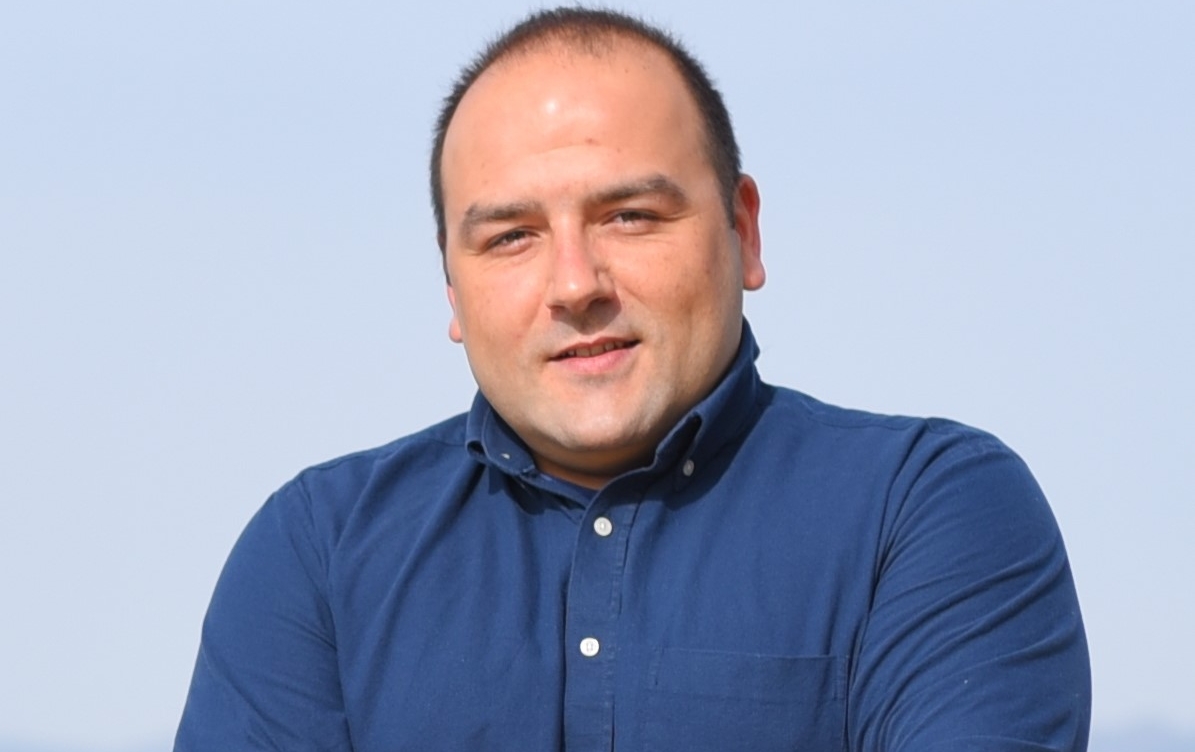
Prof. Kamen Kozarev is the director of the Institute of Astronomy with NAO – BAS
Prof. Kamen Kozarev is the newly elected director of the Institute of Astronomy with the National Astronomical Observatory at the Bulgarian Academy of Sciences. His scientific work focuses on solar and heliospheric physics, and especially [...]
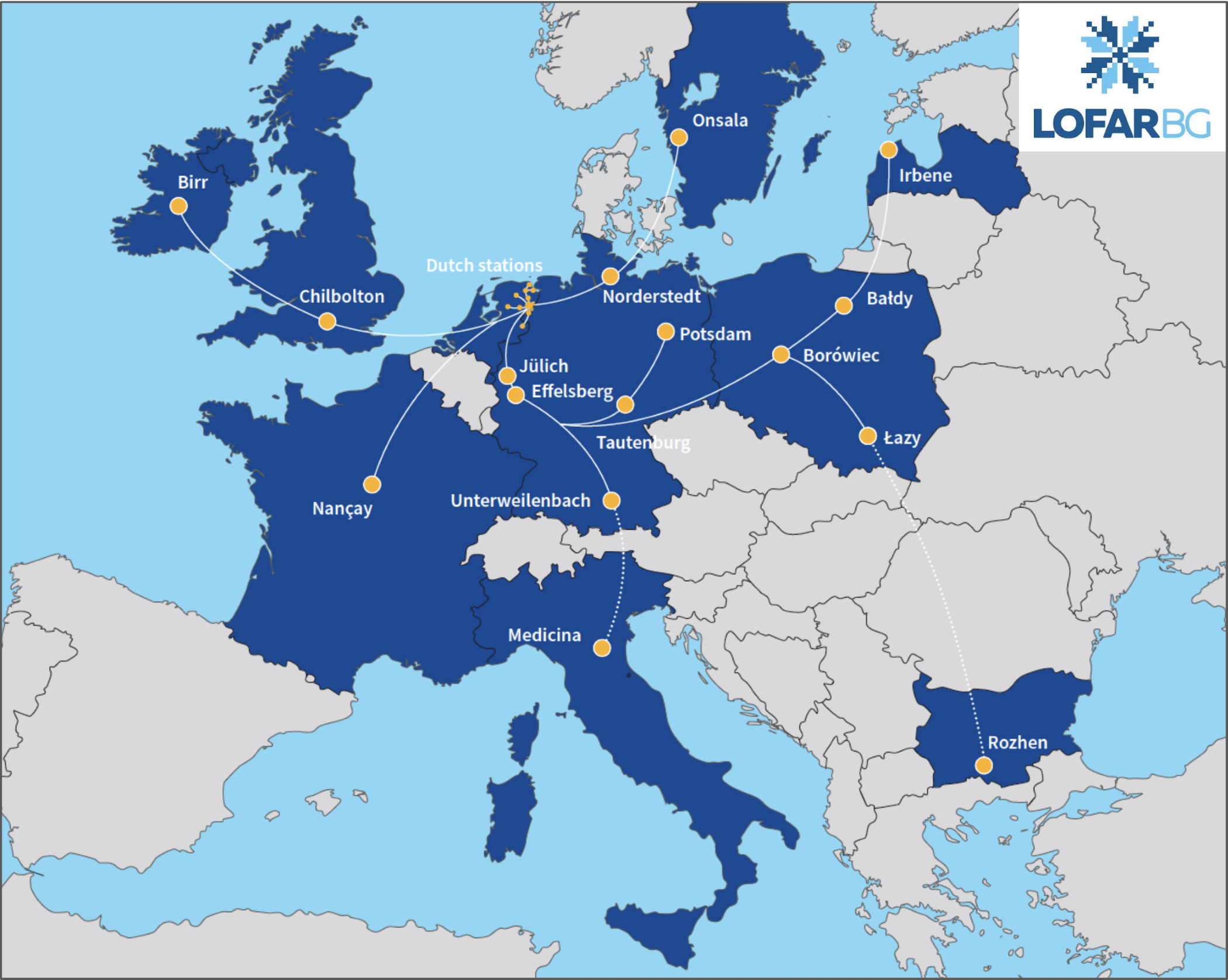
The Bulgarian LOFAR radio telescope will become operational in 2026
The Institute of Astronomy with NAO offers opportunities to participate in its construction through summer internships for students, doctoral students, and young scientists. By the end of 2026, Bulgaria will complete the construction of the [...]
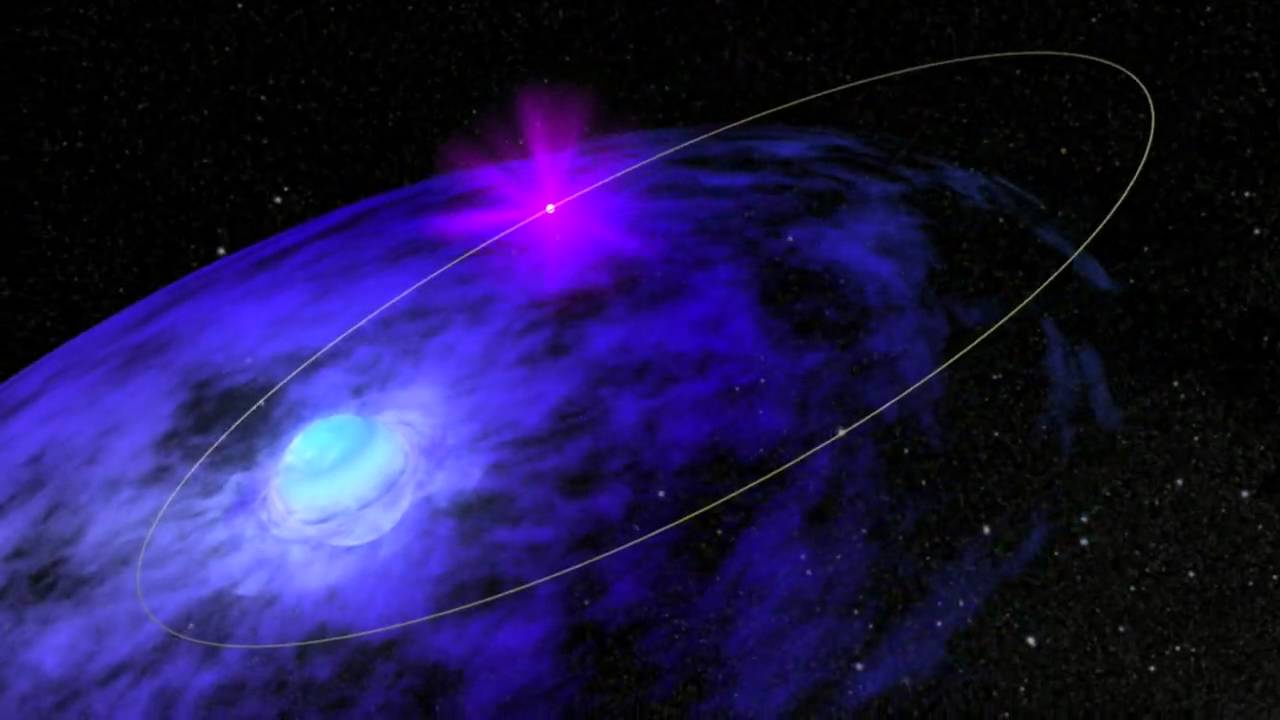
Research on a star with a magnetic field trillions of times stronger than that of the Sun is the most significant scientific achievement of the Institute of Astronomy with NAO for 2025.
Diagram of a classic Be-type X-ray binary star. Source: Walt Feimer, NASA/Goddard Space Flight Center The results of the study conducted with the 2m telescope at NAO Rozhen are published in “Astronomy & [...]
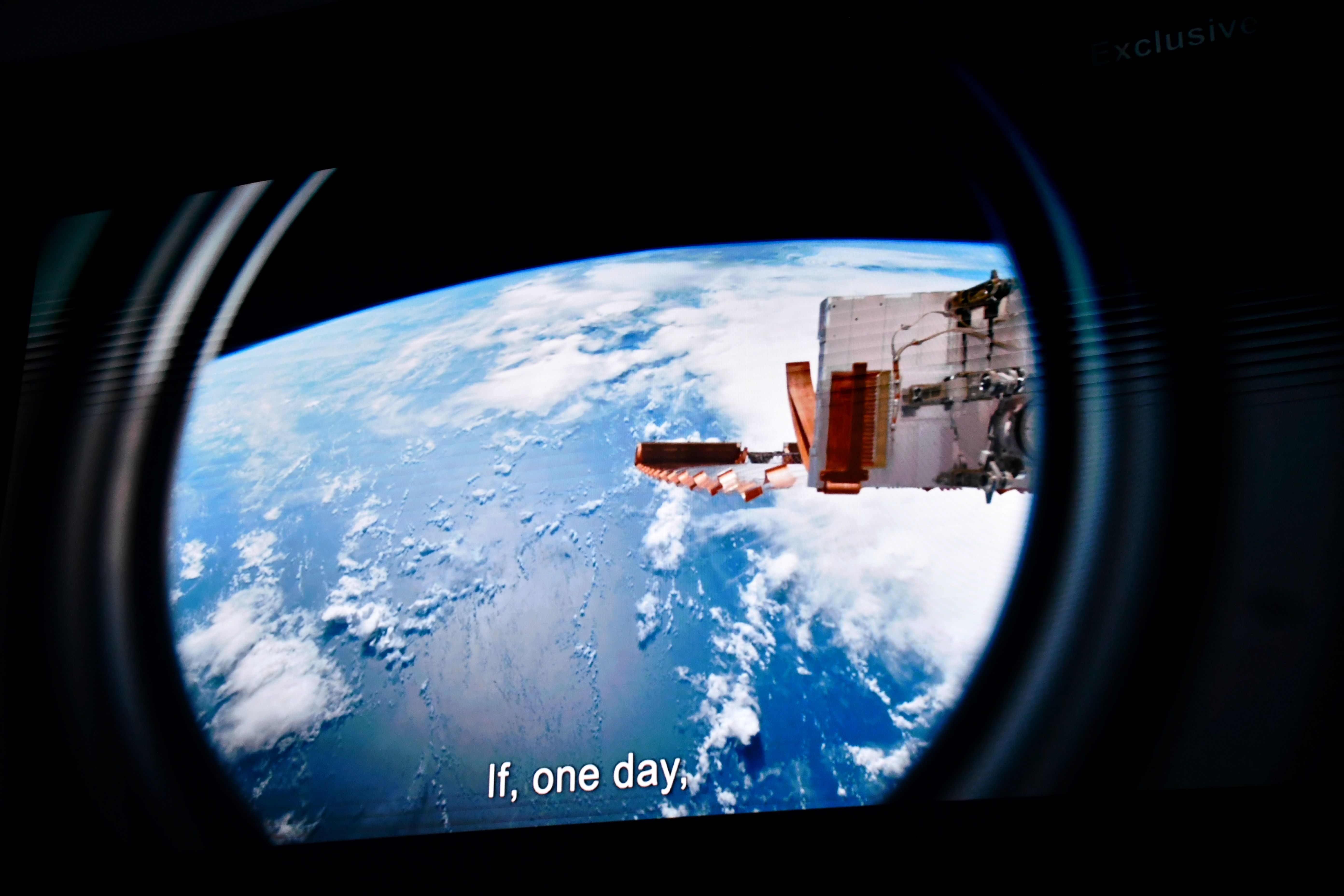
“Blue Planet Outside the Window” presented at BAS
The “Blue Planet Outside the Window” Chinese documentary film, shot entirely in space and produced by the China Media Group, was presented in the “Prof. Marin Drinov” Hall on November 30. “Blue Planet Outside the [...]
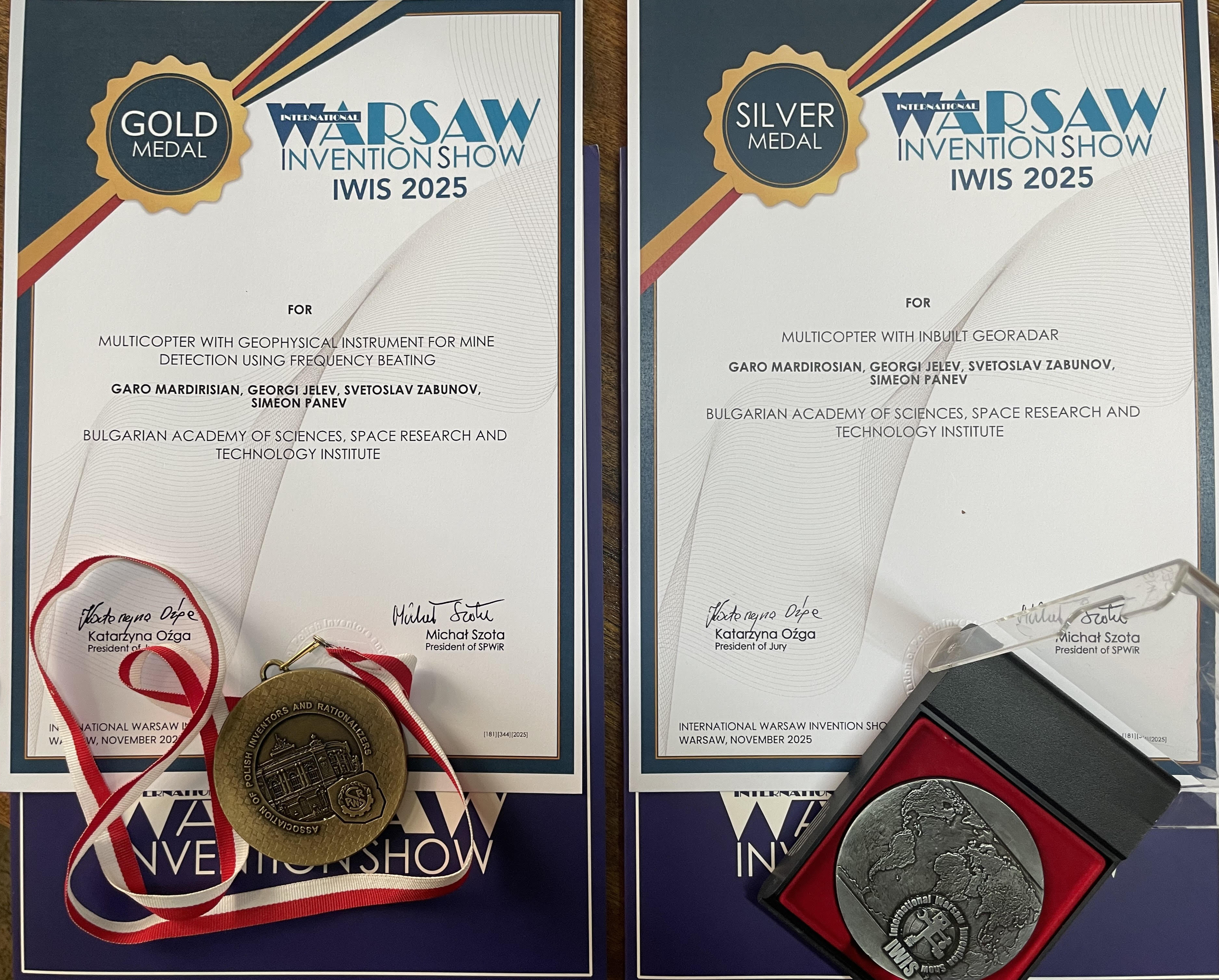
Gold and silver medals for inventions by SRTI-BAS
In November 2025, the Polish capital hosted the latest International Warsaw Invention Show (IWIS). Around 250 inventions from over 20 countries in 12 categories participated in person and remotely. At a formal ceremony, a team [...]
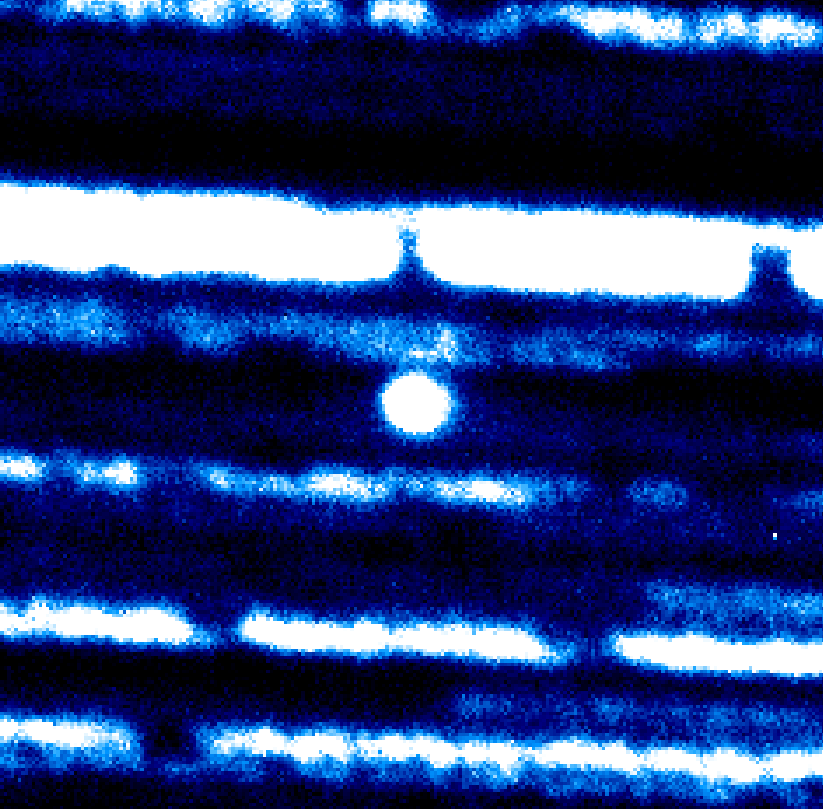
The newly discovered comet 3I/ATLAS is observed by telescopes at NAO Rozhen
Text Figure 1:Composite image of 275 shots in filter R, each 22 s. The white stripes represent background stars, which merge into so-called star treks when the images are combined, and the comet [...]
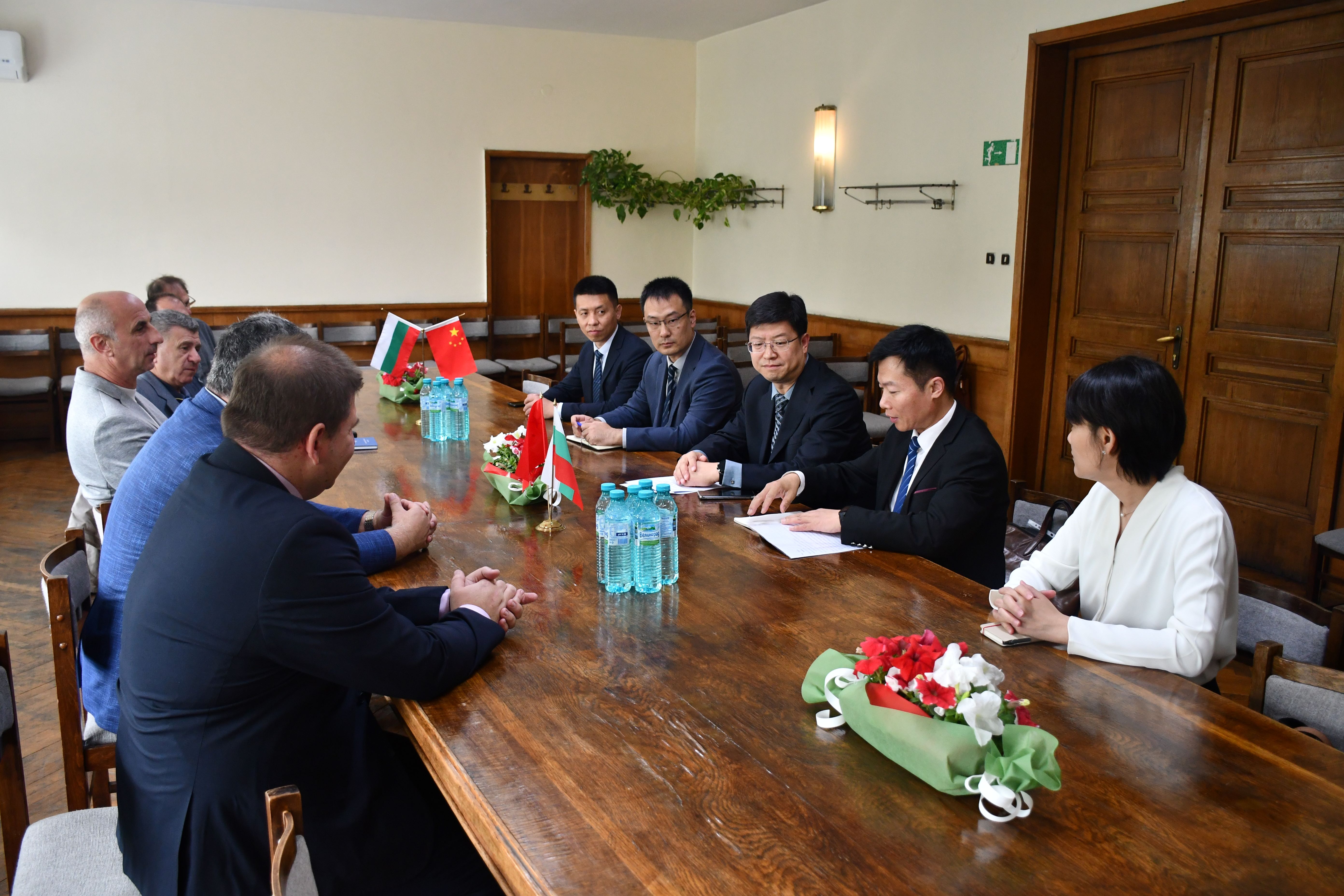
Signing of a Memorandum of Cooperation between SRTI-BAS and the Deep Space Exploration Laboratory, China
On May 8, 2025, an official meeting and signing ceremony of a Memorandum of Cooperation between the Space Research and Technologies Institute of BAS and the Deep Space Exploration Laboratory (DSEL) - a leading [...]
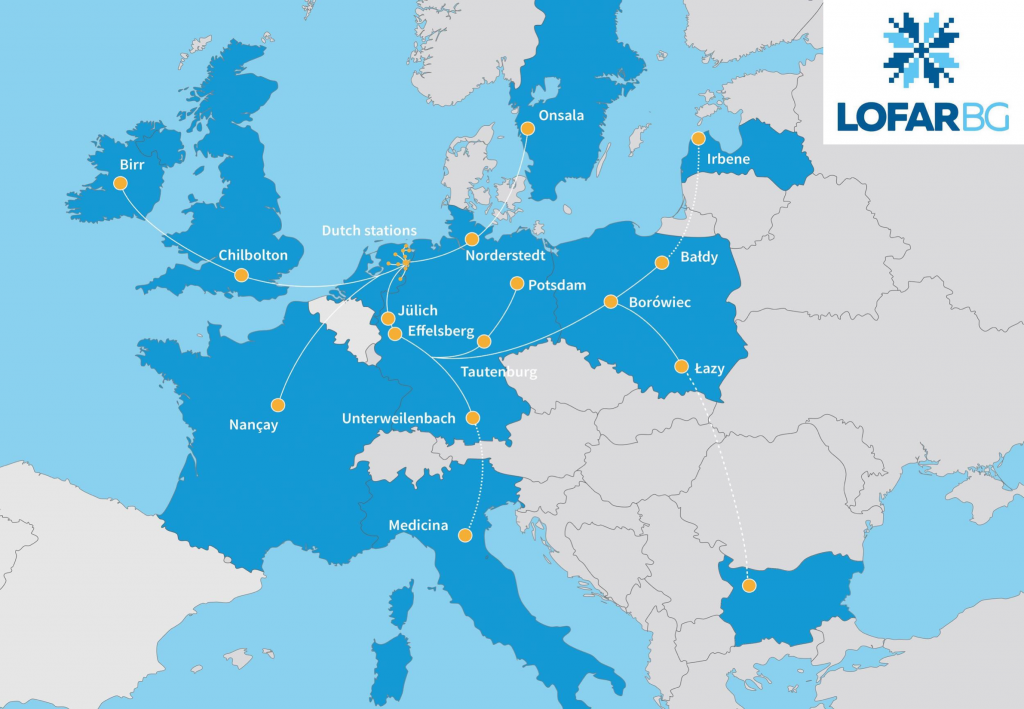
Sweden and UK join LOFAR ERIC
Eight countries are now members of the European Radio Astronomy Research Consortium Infrastructure Sweden and the UK are the new members of LOFAR ERIC (LOFAR European Radio Telescope Research Infrastructure Consortium) following a Council Decision [...]
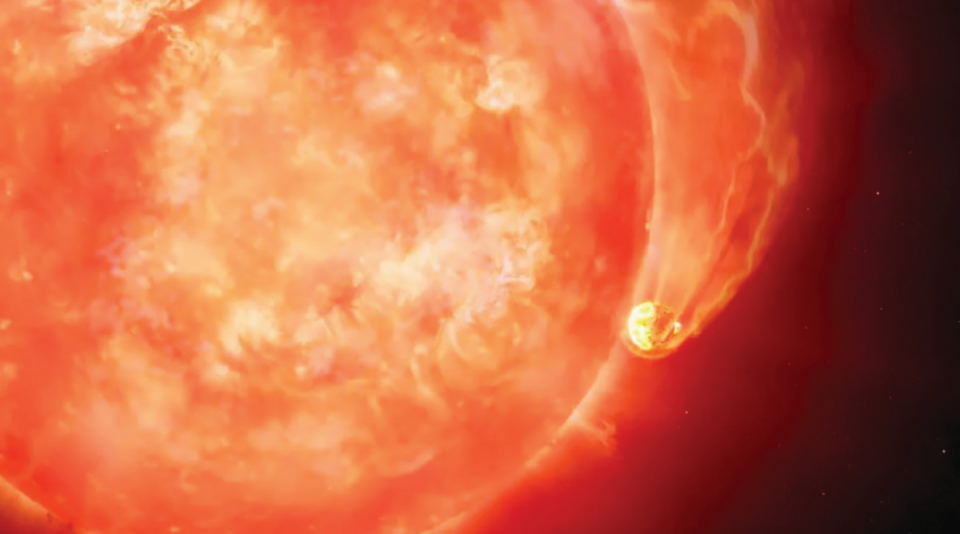
Study of magnetic activity in a giant star due to planetary engulfment – the most significant scientific achievement of IA with NAO for 2024
"Astronomy & Astrophysics” publishes the results of an international team of scientists with leading Bulgarian participation The Institute of Astronomy with the NAO-BAS has identified the study of magnetic activity in the red giant star [...]
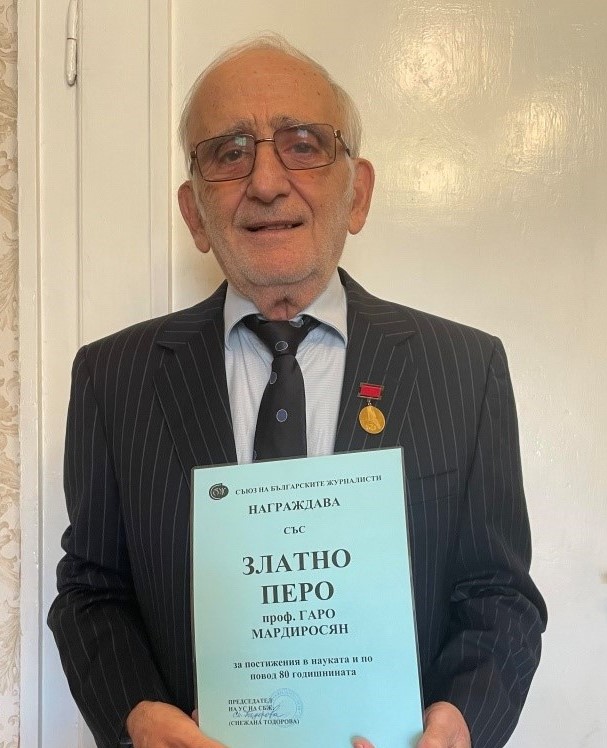
“Zlatno Pero” (Golden Plume) award for a BAS scientist
The Union of Bulgarian Journalists (UBJ) has awarded its highest prize - the Golden Plume Medal to Prof. DSc. Garo Mardirossian from the Space Research and Technology Institute at the Bulgarian Academy of Sciences [...]
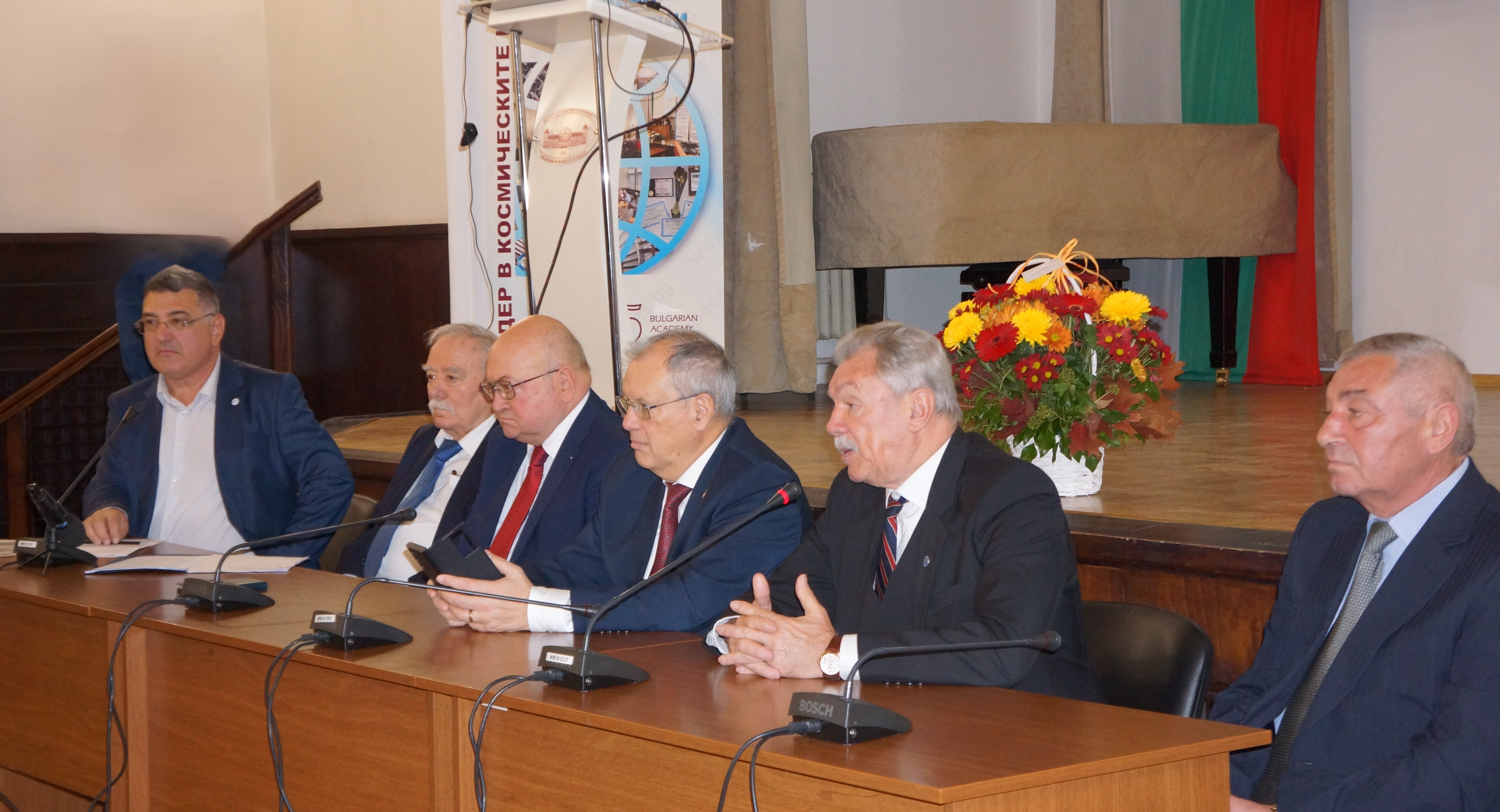
Fifty-five years Space Research and Technology Institute
Five cosmonauts at BAS for the anniversary session The Space Research and Technology Institute (SRTI-BAS) celebrated its 55th anniversary as well as the 45th anniversary of the flight of the first Bulgarian cosmonaut Georgi Ivanov [...]
Bulgarian scientists to explore near space from Antarctica
Bulgaria's first polar astronomical project will take place in 2024-2025. "Impact of solar activity on ionospheric dynamics and high-energy particle fluxes over Antarctica" is the title of the first Bulgarian polar astronomical research project which [...]
The study of a recurrent nova is the most significant scientific achievement of the Institute of Astronomy with NAO – BAS in 2023
Телескопът с 2-метрово огледало в НАО Рожен Схема на областите на разсейване при RS Oph – екваториална и полярни области The telescope with a 2-meter mirror in NAO Rozhen The results [...]
European Commission approves the establishment of LOFAR ERIC with the participation of Bulgaria
The European Commission approved the establishment of LOFAR ERIC (European Research Infrastructure Consortium), in which Bulgaria is a full founding member. The main task of LOFAR ERIC is to provide the European astronomical community with [...]
ScienceDirect publication featuring scientists from the Institute of Astronomy
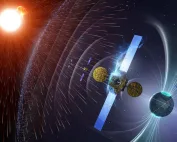
collage drawing showing high-energy ions from the Sun interacting with the Earth's magnetosphere and attacking the electronics of satellites in orbit around the Earth "A review of Solar Energetic Particles prediction models" [...]
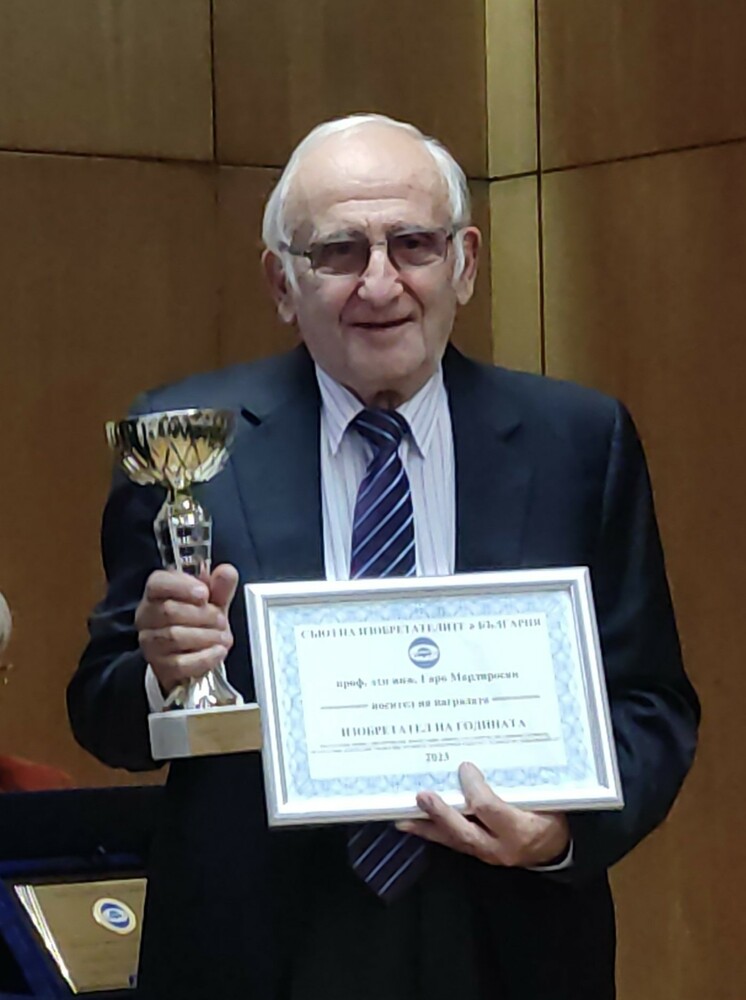
Prof. Garo Mardirosian – Inventor of the Year – 2023
Prof. Garo Mardirosian from the Space Research and Technologies Institute (SRTI) of BAS was awarded the "Inventor of the Year - 2023" prize of the Union of Inventors in Bulgaria. He received the prestigious [...]
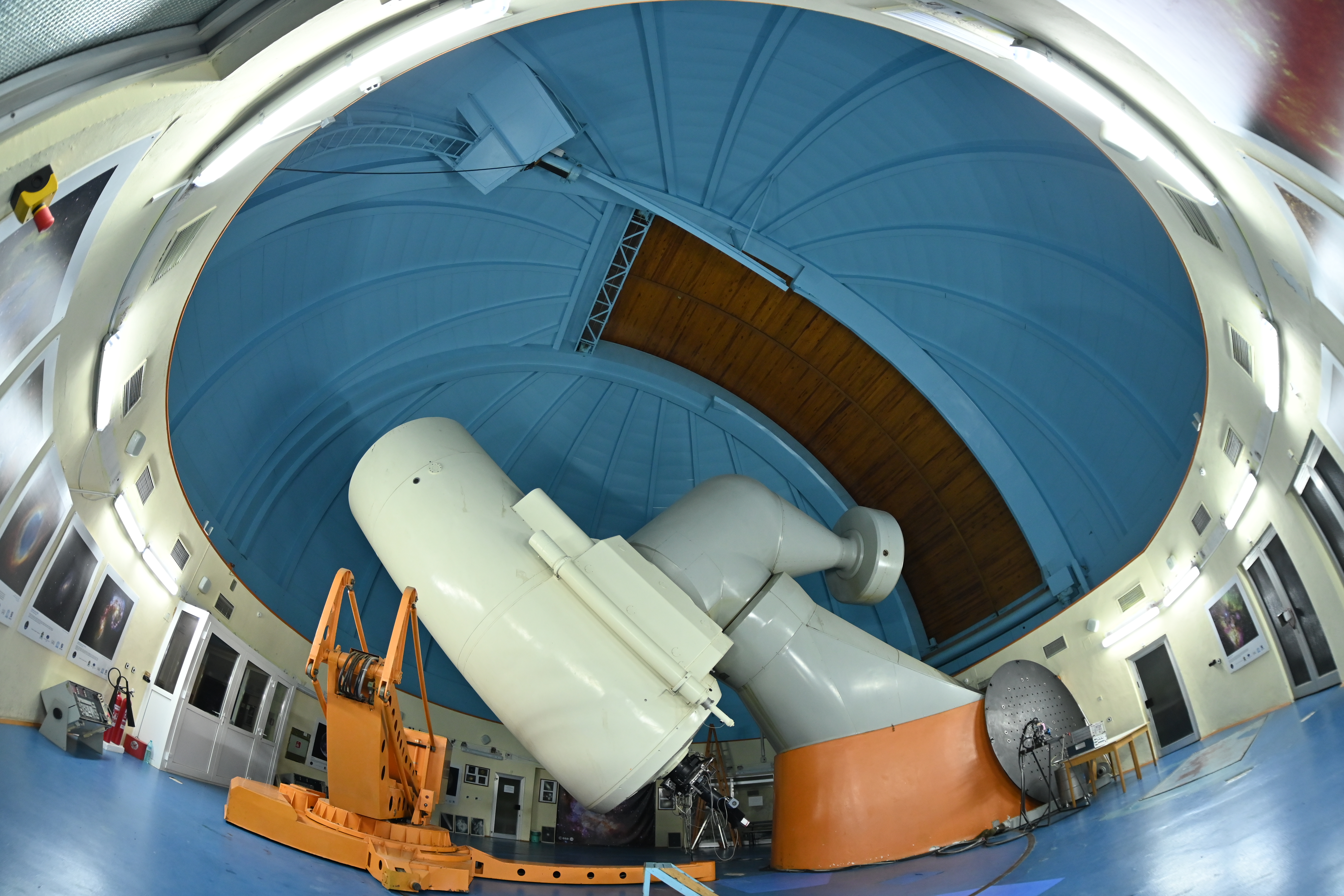
New publication with participation of a Bulgarian scientist in “Astronomy & Astrophysics”
Sen. Asst. Prof. Yanko Nikolov, PhD from IA with NAO is a lead researcher in an international team Research conducted with the 2-m telescope at NAO Rozhen with lead researcher Sen. Asst. Prof. Yanko [...]
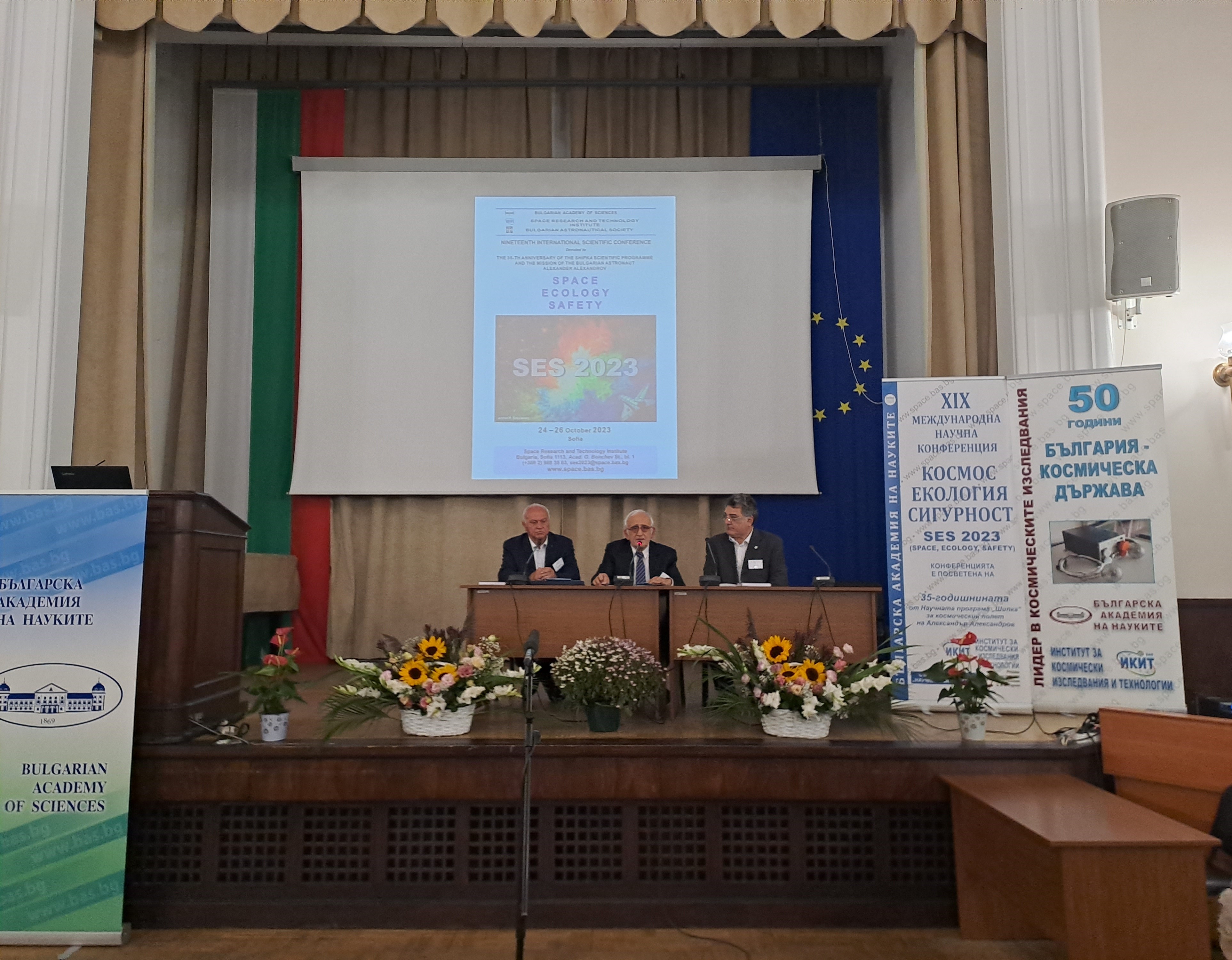
International scientific conference ”Space, Ecology, Safety – SES 2023”
The International scientific conference "Space, Ecology, Safety - SES 2023" is taking place from 24 to 26 October 2023 at the “Prof. Marin Drinov” Hall of BAS and at the Space Research and Technologies Institute [...]