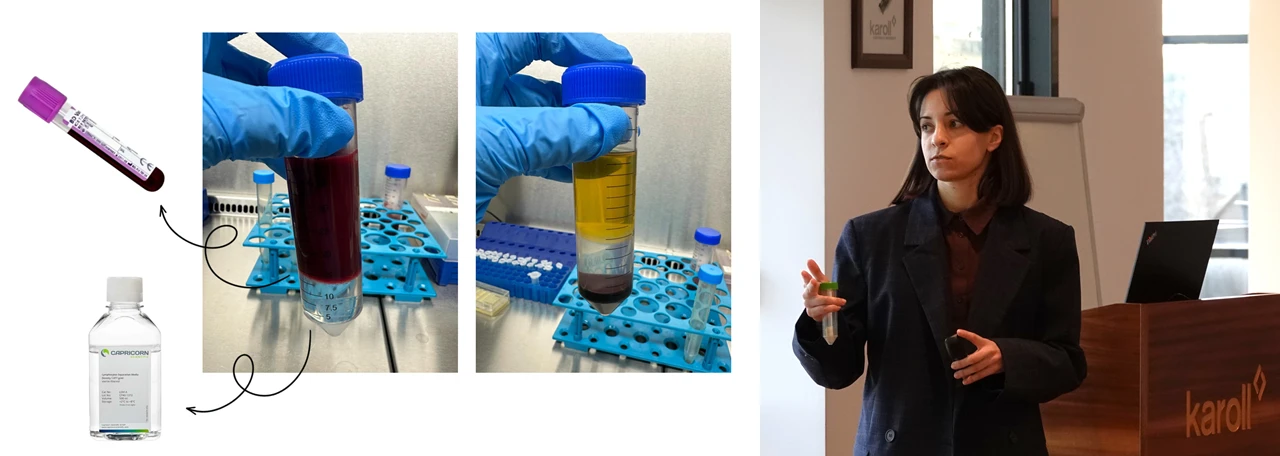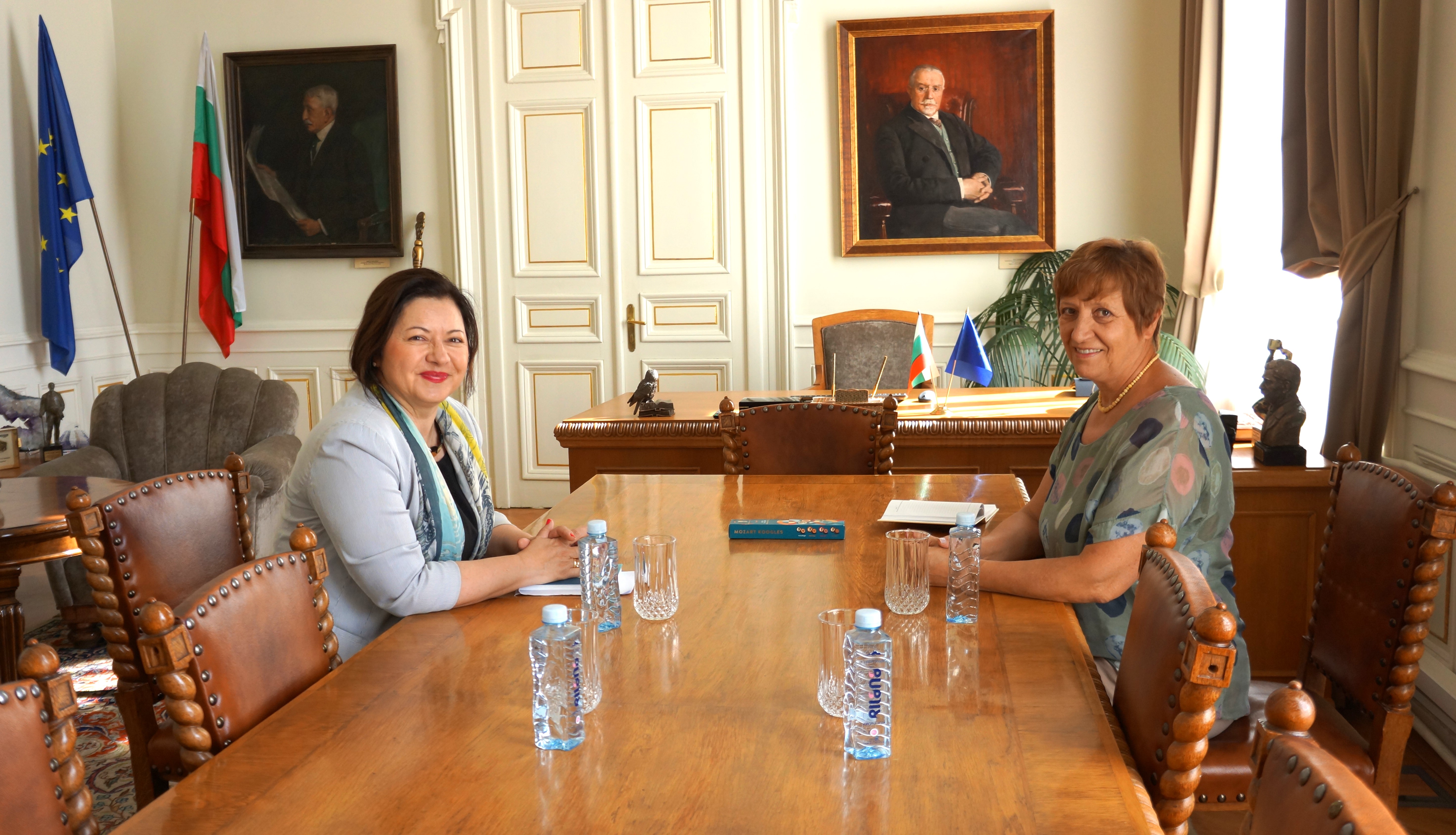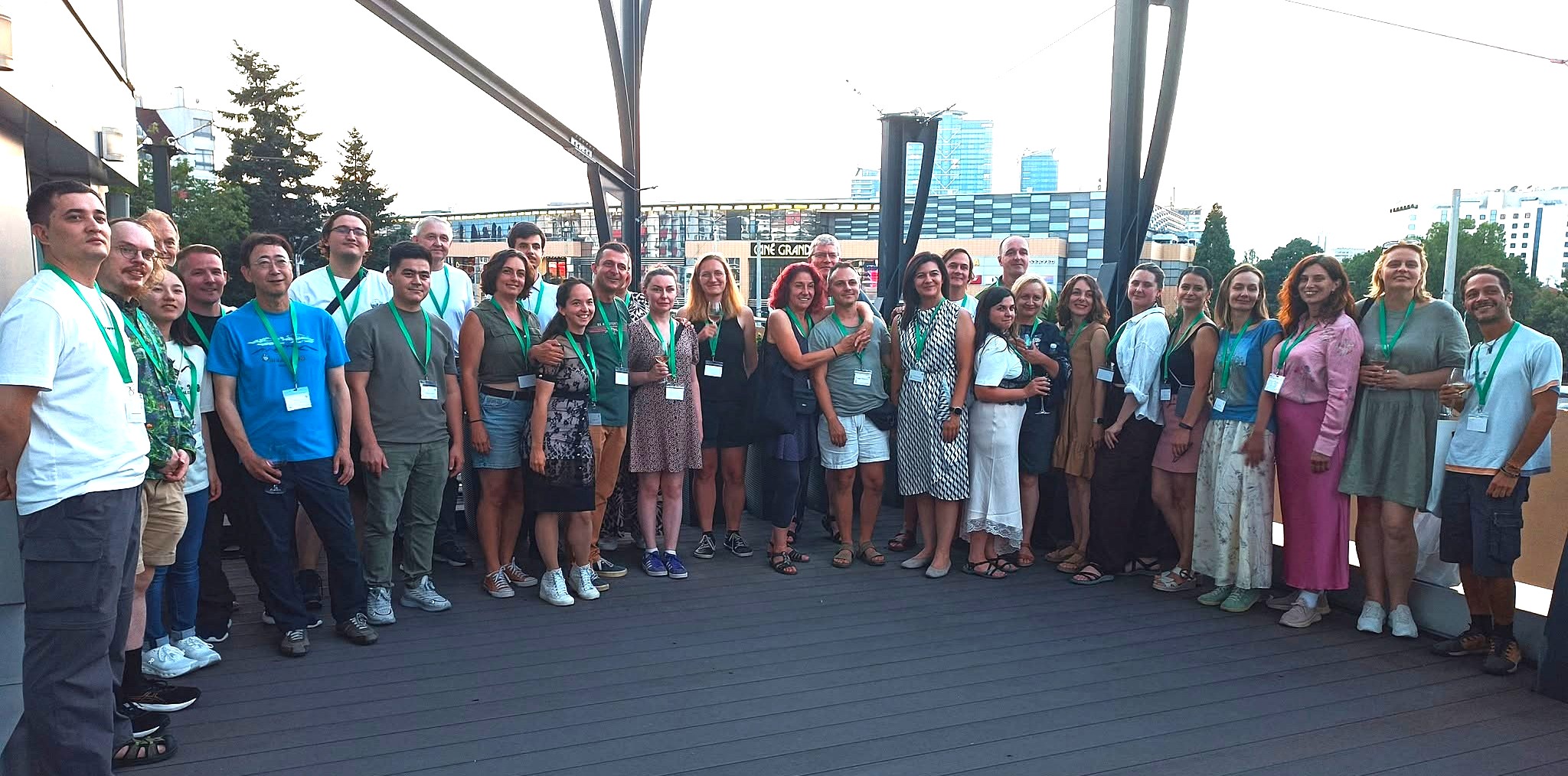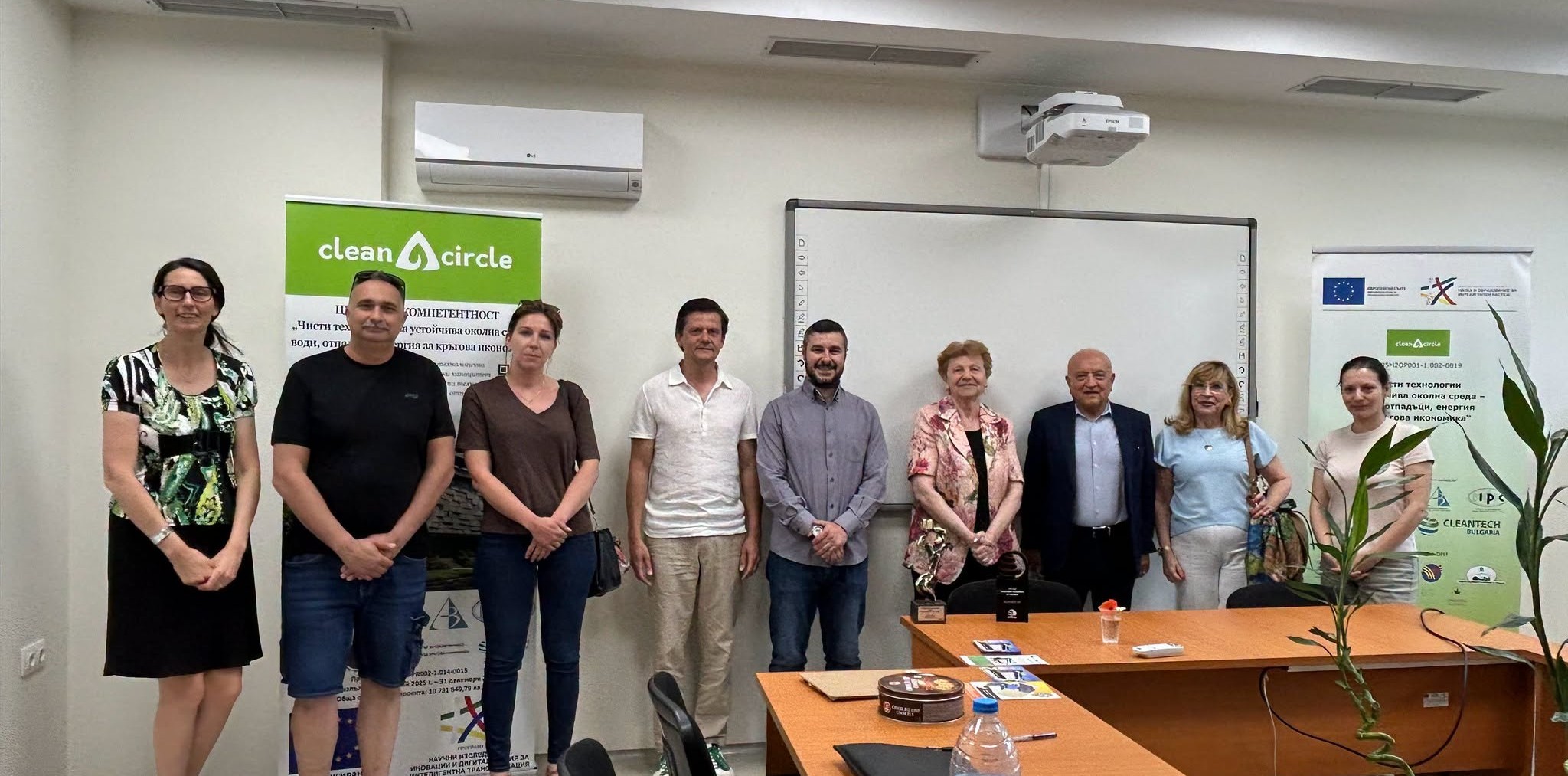

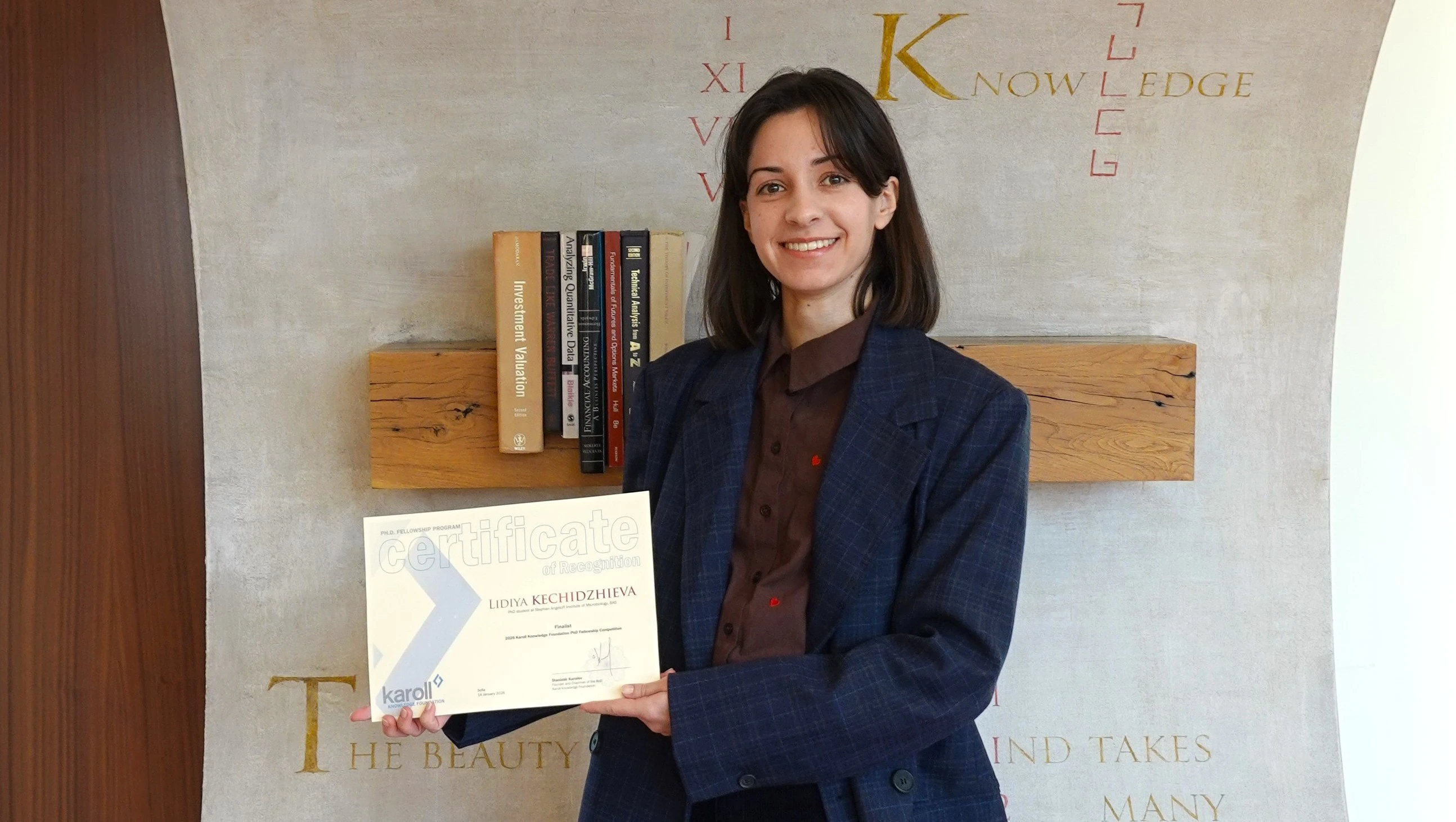
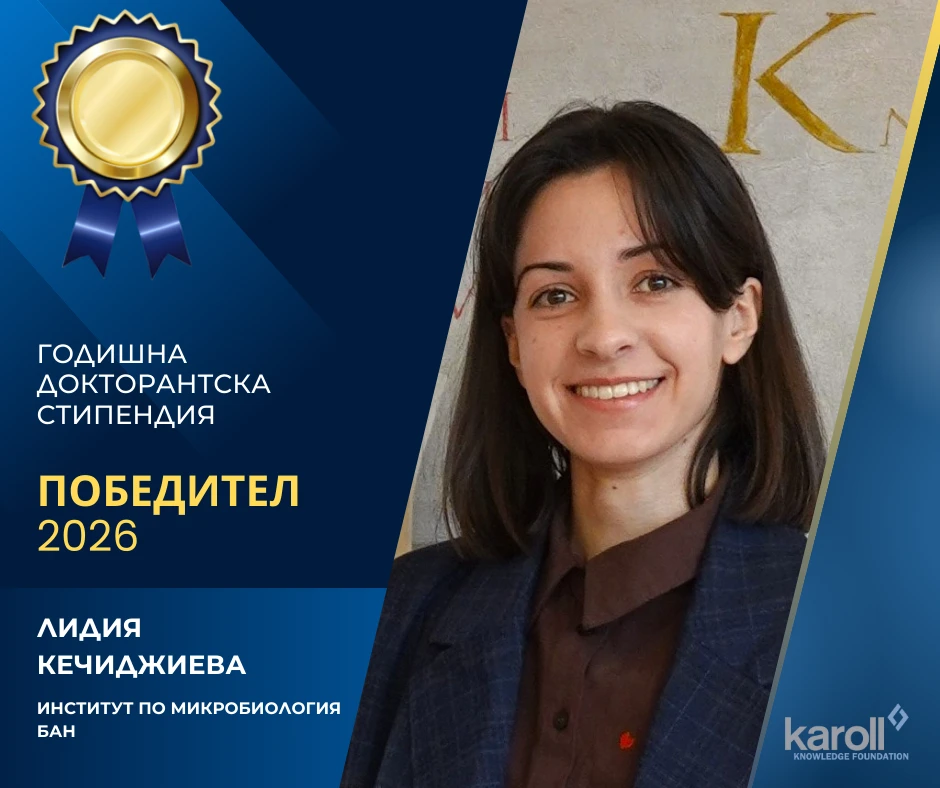
Lidiya Kechidzhieva, a doctoral student in immunology at the Institute of Microbiology of BAS, is the new recipient of the annual doctoral scholarship of the Karoll Knowledge Foundation. She won the jury’s vote in competition with two doctoral students from Sofia University and one from South-West University. The topic of her doctoral thesis is “Investigation of the effect of a specific methyl-supplemented diet on the development of systemic lupus erythematosus in mouse models of the disease.”
Systemic lupus erythematosus (SLE) is one of the most complex autoimmune diseases, characterized by impaired immune tolerance, chronic inflammation, and severe organ damage. Current therapies are limited due to their non-specificity and cytotoxicity which necessitates the search for new, more selective approaches. The project addresses this need by investigating epigenetic mechanisms, in particular DNA methylation, and their role in modulating the pathological autoimmune response.
The main objective is to assess whether a diet rich in methyl donors (folic acid, L-methionine, choline, betaine) can suppress the development of lupus-like disease in a humanized NSG/RAG2 mouse model generated by transfer of peripheral blood mononuclear cells from SLE patients. The doctoral student’s working hypothesis is that an overall increase in methyl group levels in the body will restore normal levels of genome methylation which in turn will slow down the development of autoimmune pathology.
Another important focus of the project is the analysis of the gut microbiome. There is growing evidence that the gut environment plays a key role in breaking immunological tolerance and initiating autoimmune diseases. DNA methylation is considered a regulatory mechanism that influences metabolic activity, the production of immunomodulatory metabolites, and interactions between microorganisms and lymphoid tissue associated with the intestinal mucosa. Tracking gene expression in tissue-resident lymphocytes as well as the overall diversity of the intestinal microbiome of animals will allow us to determine whether a high-methyl diet modulates not only immune cells but also microflora—a potential key mechanism in suppressing autoimmunity.
The methods used in the study combine modern approaches from immunology, molecular biology, and pathology: a humanized mouse model, ELISA analyses for autoantibodies and cytokines, flow cytometry determination of the degree of DNA methylation and hydroxymethylation, histochemistry, and immunofluorescence. Treatment with a high-methyl diet is expected to reduce proteinuria, autoantibody titers, and kidney damage and restore normal epigenetic profiles.
 The short-term goals are to complete the experiments and analyze the immunological, epigenetic, and microbiome data. In the long term, our project aims to develop new epigenetically based therapeutic strategies, says Lidiya Kechidzhieva.
She holds a bachelor’s degree in biotechnology and a master’s degree in cell biology and pathology. Since last year, she has been an assistant at the Stephan Angeloff Institute of Microbiology of BAS. She has been a doctoral student in the Experimental Immunology Laboratory at the Institute of Microbiology since January 2025.
More information: on the website of the Karoll Knowledge Foundation
Photos: Karoll Knowledge Foundation