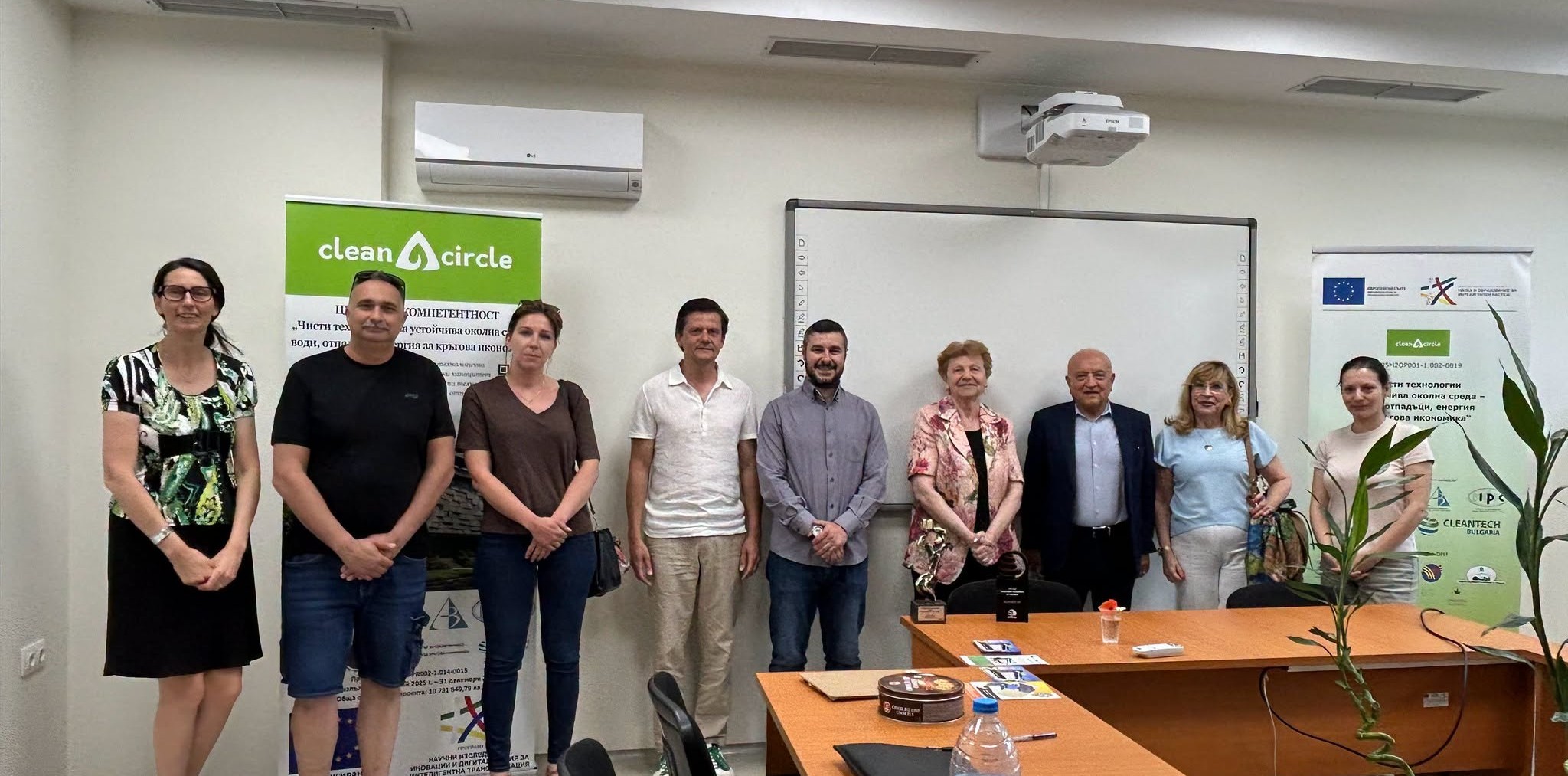

Scientists from the Institute of Electronics at BAS today demonstrated prototypes of sensors designed to measure pesticide and nitrate levels in water and nitrogen dioxide levels in the air. Among the researchers’ latest developments are self-cleaning surfaces for photovoltaic panels. The three innovations are in the field of green technologies, and Bulgarian companies have already expressed interest in utilizing them.
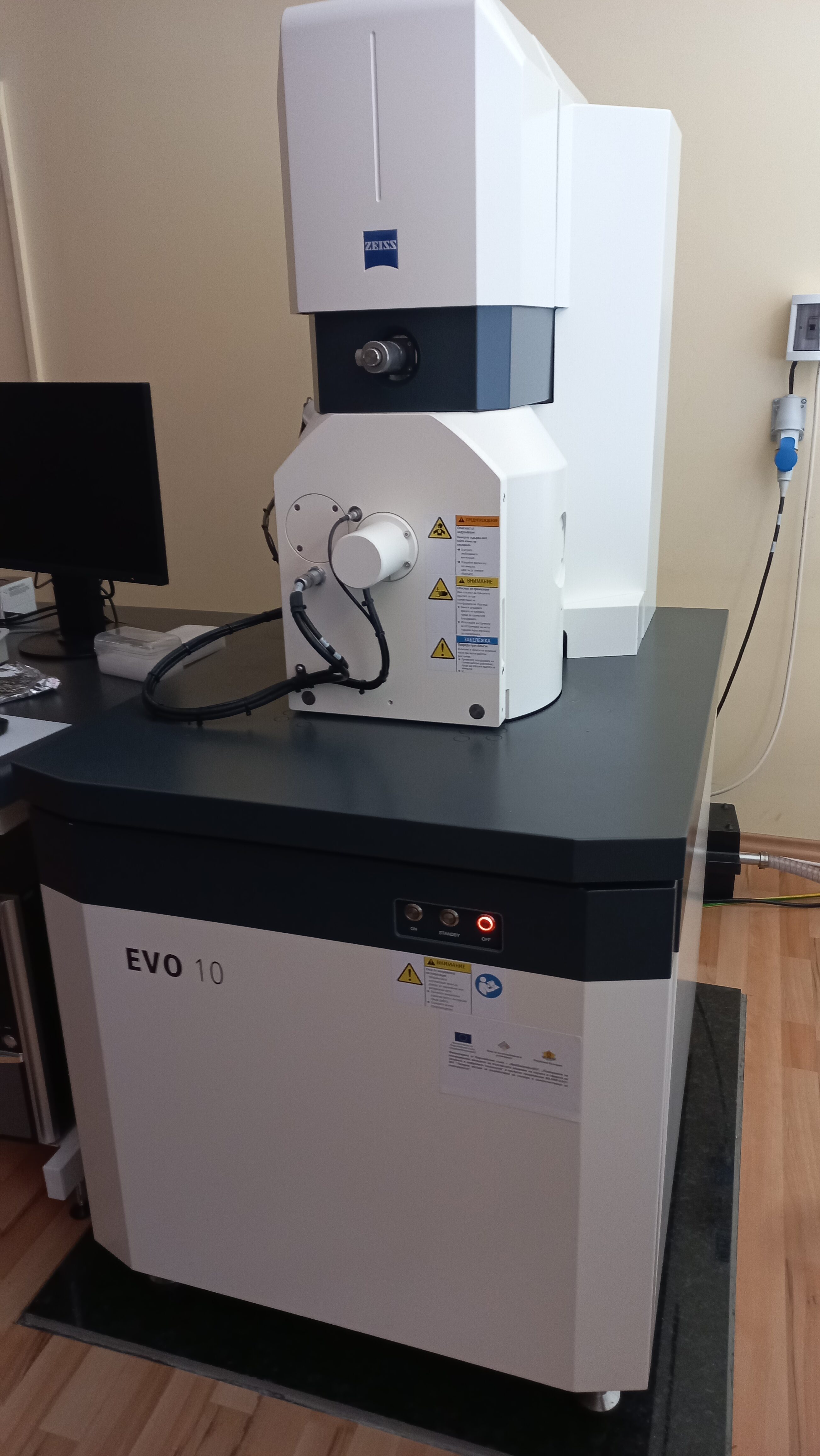
The demonstrations were held as part of the “Laser methods for developments of sensors and self-cleaning surfaces” project funded with approximately 500,000 leva from the Recovery and Resilience Facility. As part of the project, a scanning electron microscope was also purchased which would allow scientists to study the structure of the new coatings and materials they were developing.
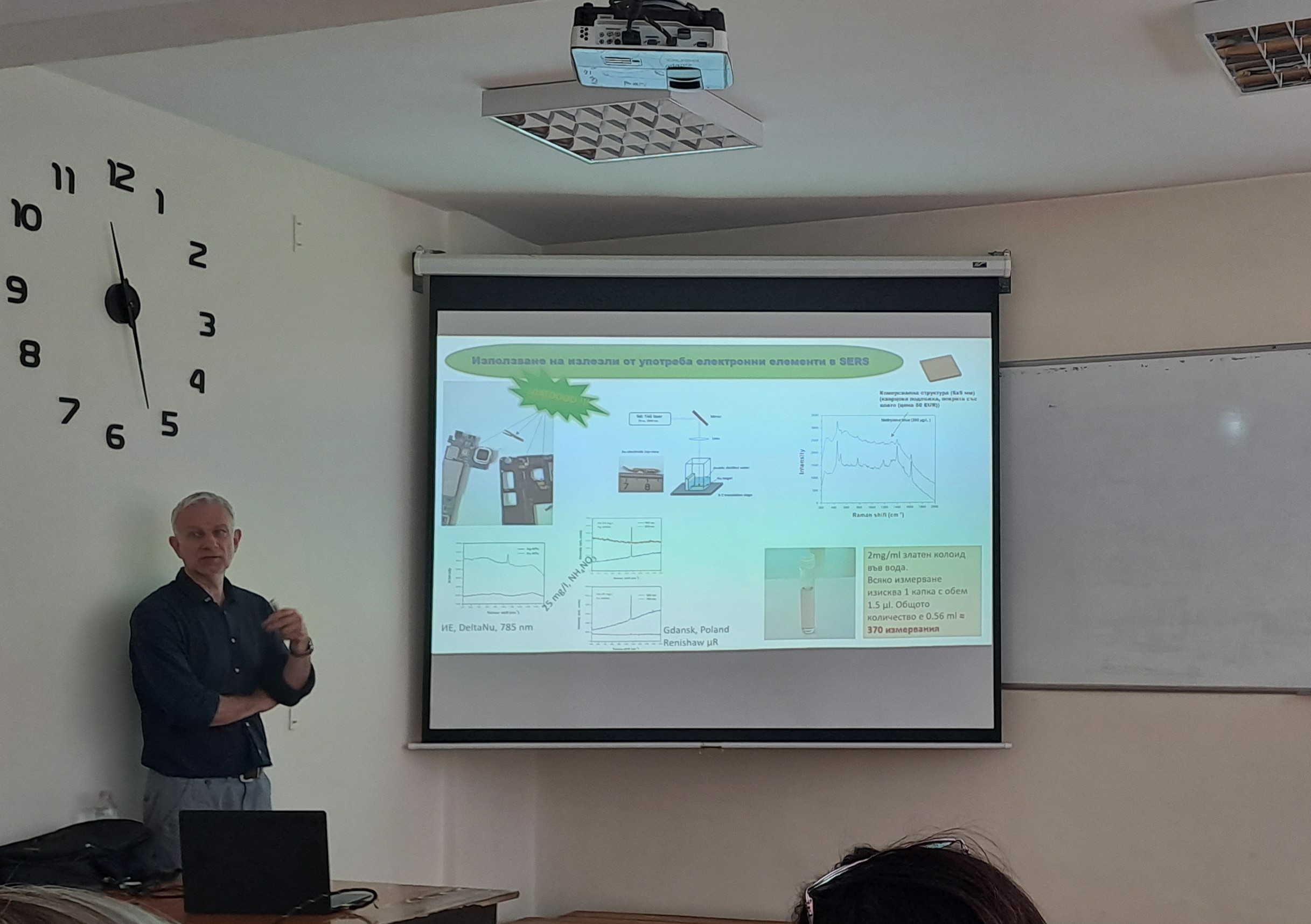
Environmentally friendly lasers have been used in the development of these new technologies. Our goal was to demonstrate that standard industrial methods could be applied in more innovative ways, said project leader Corresponding Member Nikolay Nedyalkov during the presentation. He added that the two prototypes, designed for environmental monitoring and for structuring the surface of photovoltaic panels, had a technology readiness level of nearly seven (TRL 7), with the developments currently in the final phase of research. For the first time, used electronic components have been employed with which the scientists have successfully replaced expensive metals. The team’s research has been published in four scientific articles in high-impact-factor journals, and patent applications have been filed.