
Archaeological excavations at the church of the “Life-giving Spring of the Mother of God” in the historic Armenia quarter of Melnik will take place for the fourth consecutive season in September 2026. They form part of the long-term research into this important medieval town.
The 2026 excavations are being carried out as part of a project by the National Archaeological Institute with Museum of BAS (NAIM – BAS) in partnership with the Archaeological Museum – Sandanski (AM – Sandanski) and the Regional Historical Museum – Blagoevgrad (RHM – Blagoevgrad), with financial support from the Ministry of Culture and AM – Sandanski. The team is led by Sen. Asst. Prof. Dr Metodi Zlatkov (NAIM – BAS), with Dr Maria Pashova (RHM – Blagoevgrad) serving as deputy leader.
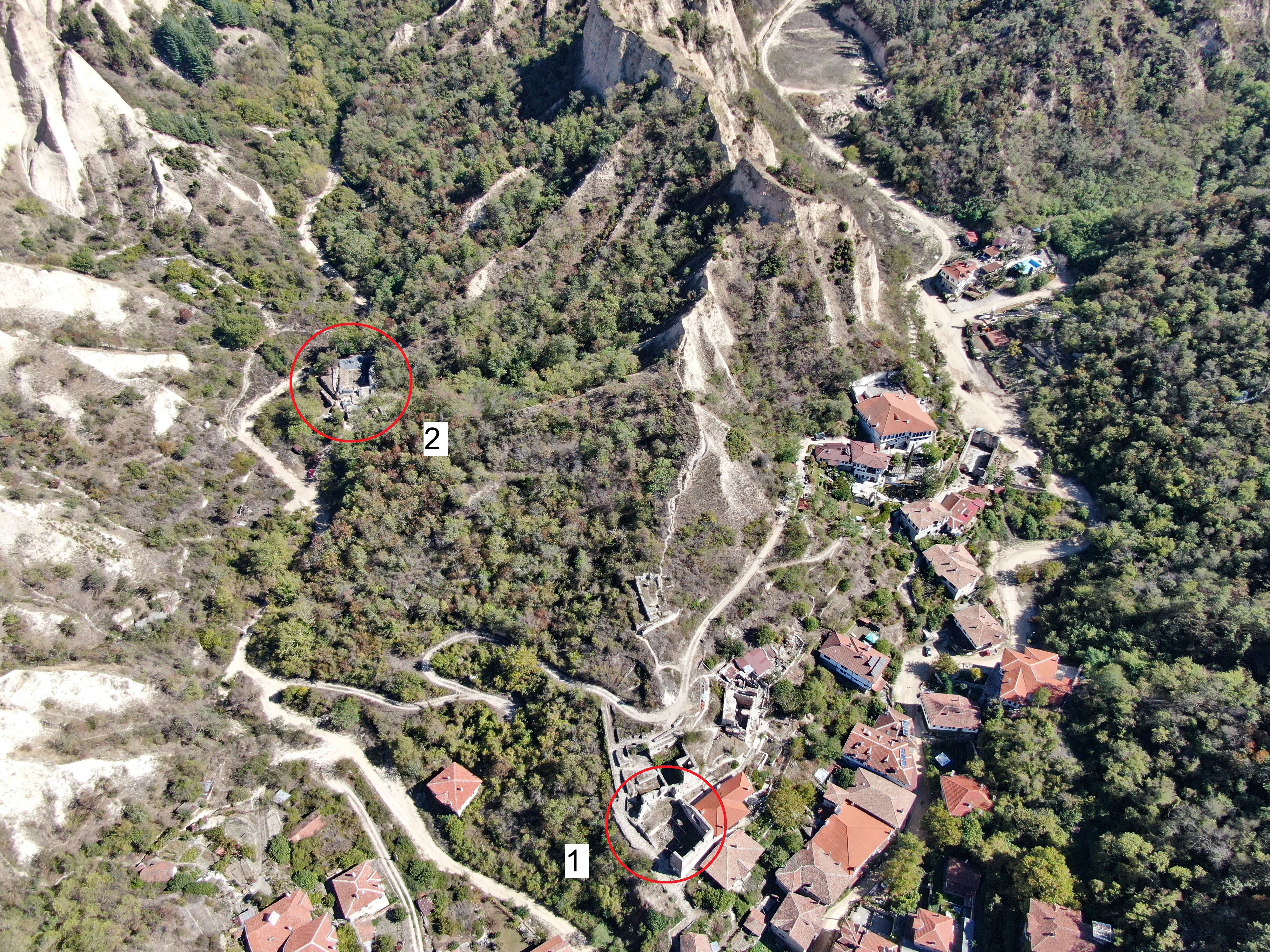
Location of the church of the “Life-giving Spring of the Mother of God” in the historic Armenia quarter in relation to part of the modern town of Melnik. Legend: 1) The Boyar’s House; 2) the Church of “Life-giving Spring of the Mother of God” in the historic Armenia quarter (photograph and labels: M. Zlatkov)
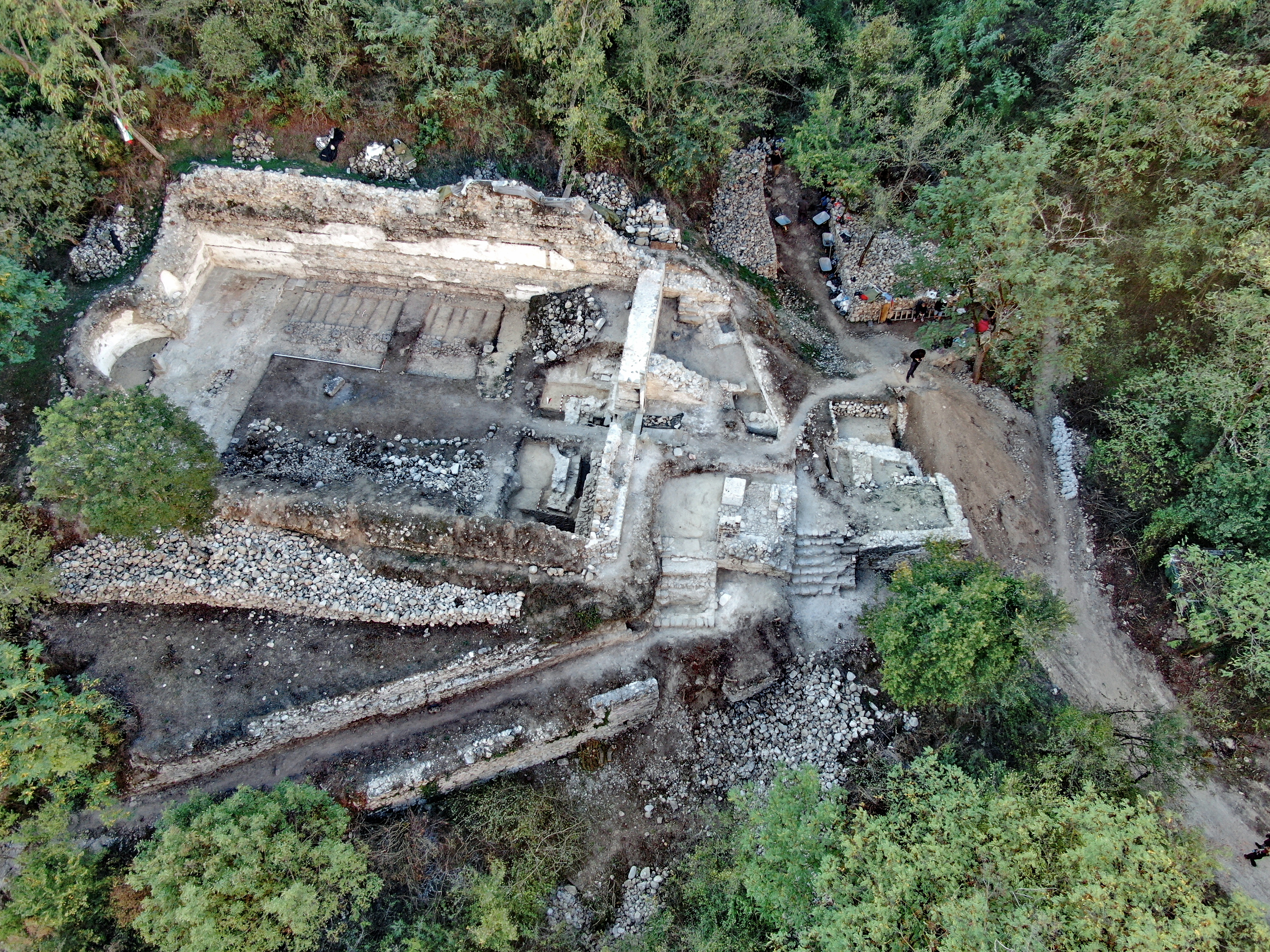
Fig. 2. General view of the site at the end of the 2024 excavations (photo: M. Zlatkov)
The church of the “Life-giving Spring of the Mother of God” is situated in the Rozhen Valley, 220 metres north-east of the Boyar’s House (Fig. 1). Two main construction phases can be distinguished in its development (Fig. 2). The first dates from the late 13th to the first half of the 14th century, whilst the second dates from the mid-19th century. In 2026, efforts will be directed towards completing the investigation of the church’s later phase and continuing work on the earlier one.
The earlier church, dating from the 13th–14th centuries, is a single-apse structure with a total length of 17.35 m. Numerous fragments of wall paintings have been uncovered from it. Thanks to the work of the restorer Reneta Karamanova-Zlatkova (NAIM – BAS), over ten images of saints from various scenes, characterised by their high quality of execution, have been restored (Figs. 3–4). It is expected that further fragments of these wall paintings will be uncovered in 2026. The medieval church existed until the 18th – early 19th centuries, whilst a necropolis developed around it.
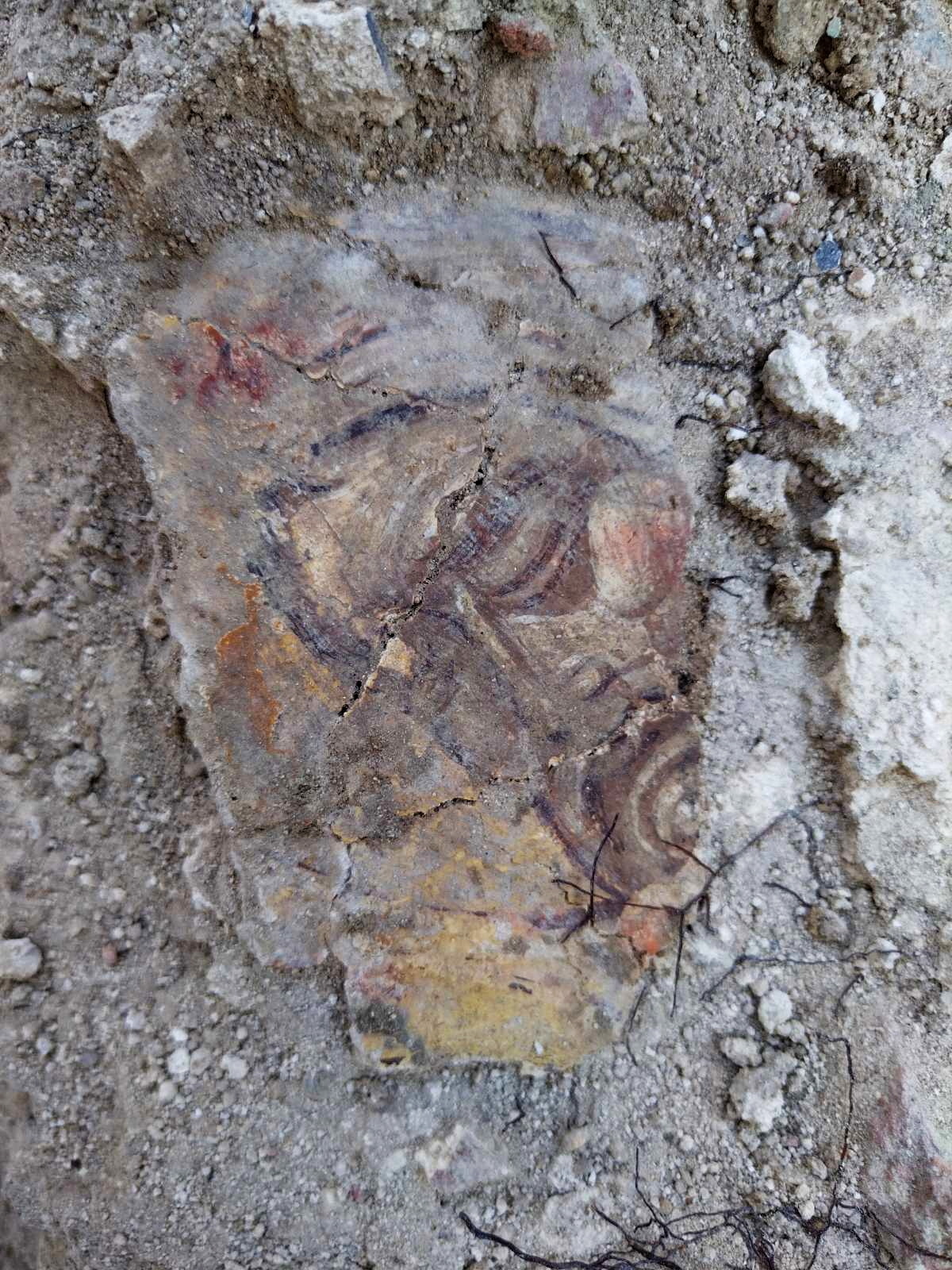
Fig. 3. Fragments of wall paintings depicting the Mother of God from the 13th–14th centuries, discovered in 2024 (photo: M. Zlatkov)
The second phase of construction dates to the Renaissance. In the mid-19th century, a considerably larger church with a total length of 32.60 m was built on the ruins of the earlier church. This second church, together with the retaining walls around it, completely altered the appearance of the site. Most of the walls of the Revival-era church have been preserved to a height of around 2 m, whilst the southern wall reaches a preserved height of 6 m.
During the excavation of the church over the past three seasons, 658 artefacts made of stone, pottery and metal have been discovered. Among these, two fragments of a medieval inscription from the 13th–14th centuries stand out. The first part was discovered in 2022, and the second in 2023 (Fig. 5). This is most likely the foundation inscription of the medieval church.
Research into the church of the “Holy Mother of God” provides new insights into the history of Melnik and opens up opportunities for the future exposition of the site and its inclusion in a tourist itinerary. In this way, an important and relatively well-preserved monument could become yet another highlight in the presentation of the town’s rich cultural heritage.
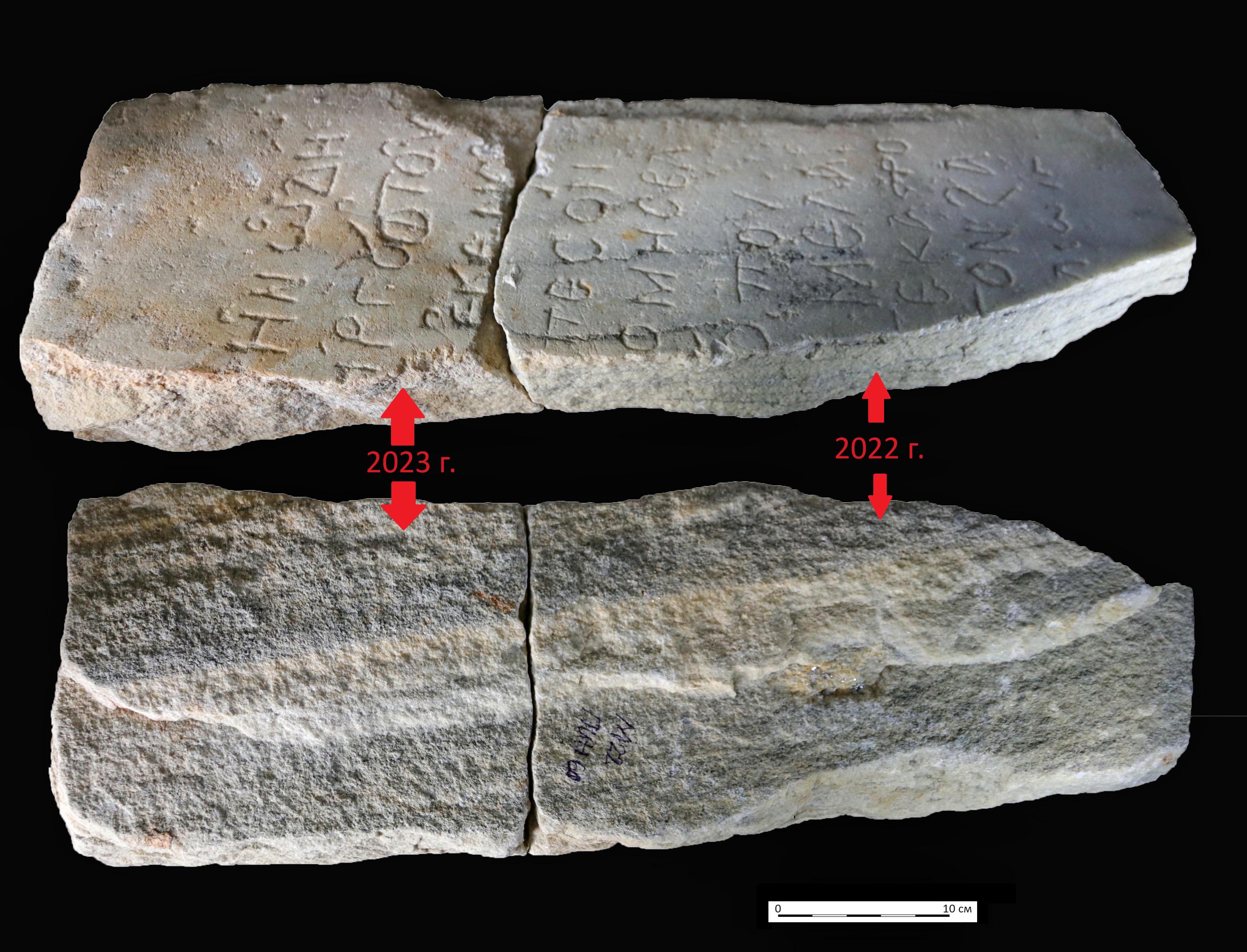
Fig. 5. A 13th–14th-century foundation inscription. The fragment on the right was discovered in 2022, and the one on the left in 2023. (photo: M. Zlatkov)