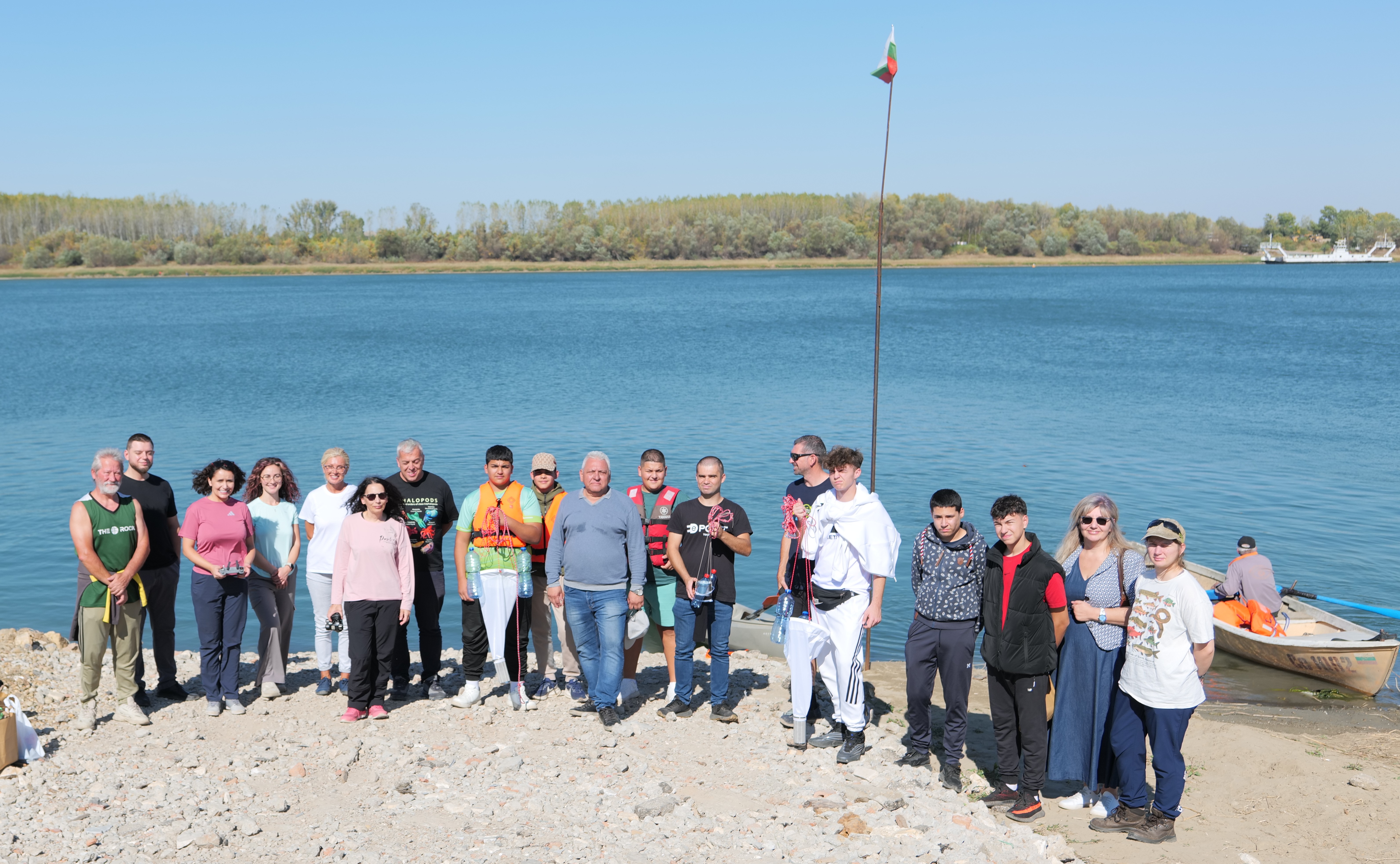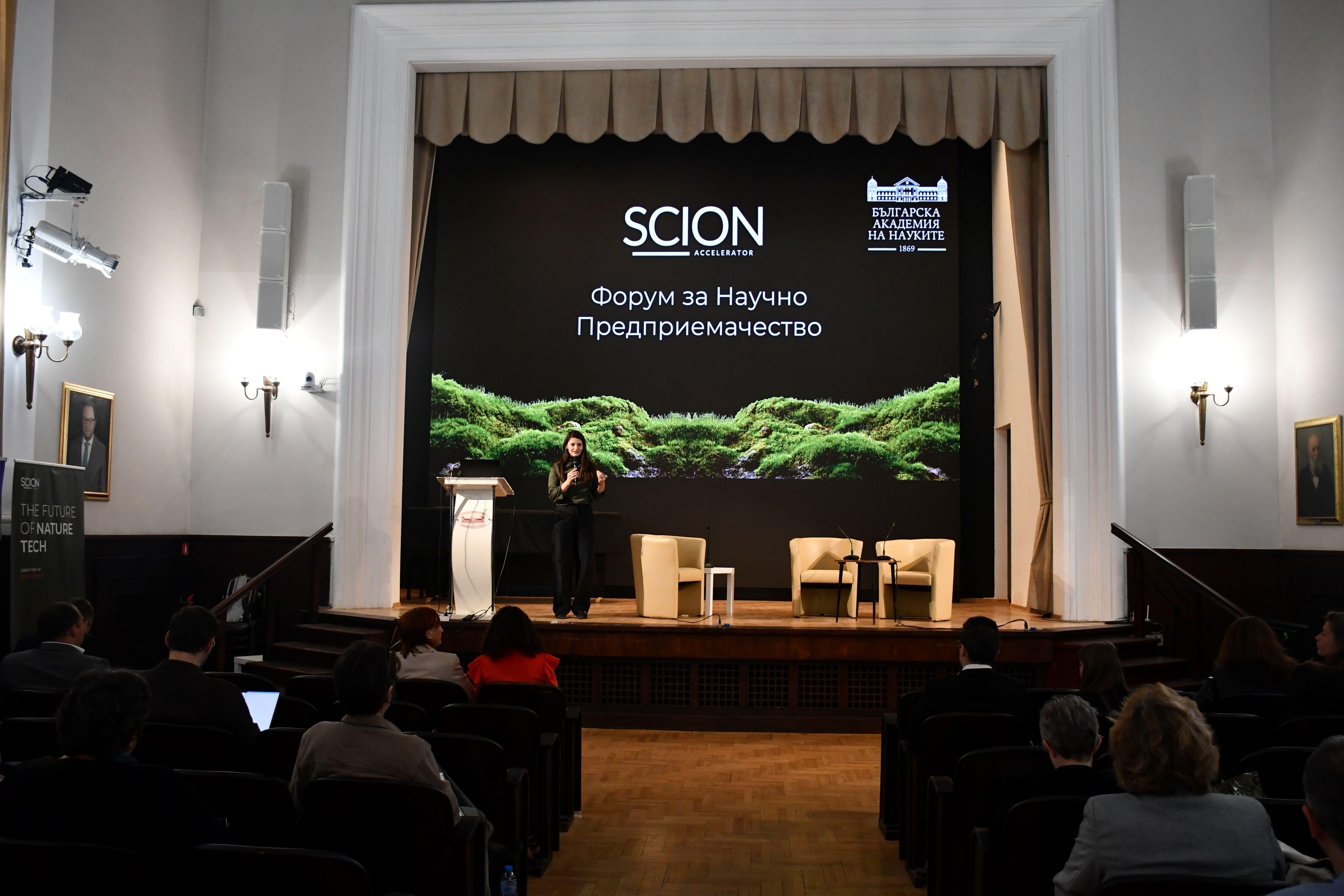

On 11 October 2026, in Silistra, researchers from the Bulgarian Academy of Sciences took part in a scientific and educational event dedicated to the conservation and restoration of the Danube. The WATER SPORT CLEAN UP initiative was organised by the Institute of Biodiversity and Ecosystem Research (IBER) of BAS as part of the European project DANUBE4all – “Restoration of the Danube River Basin for ecosystems and people from mountains to coast”.
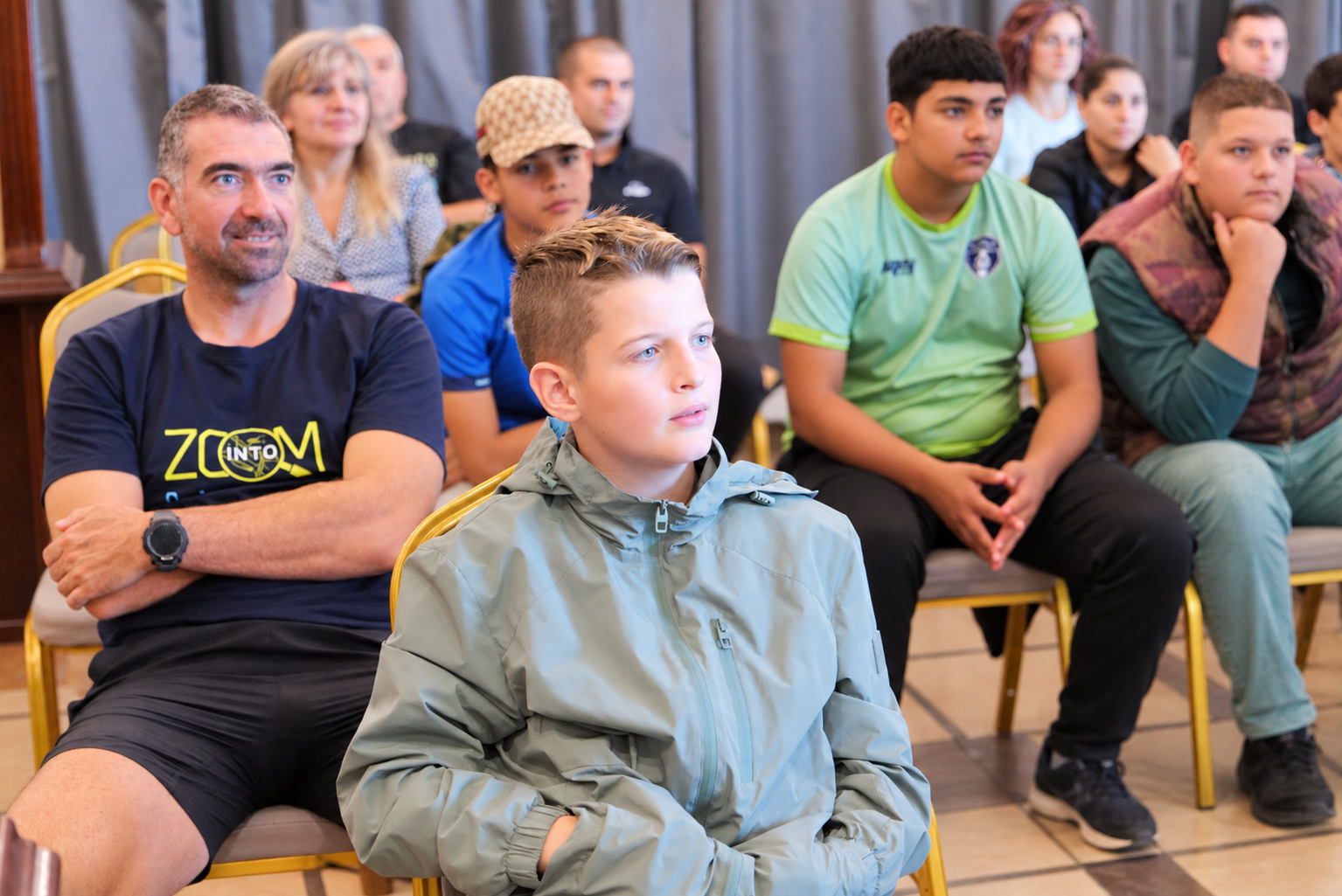
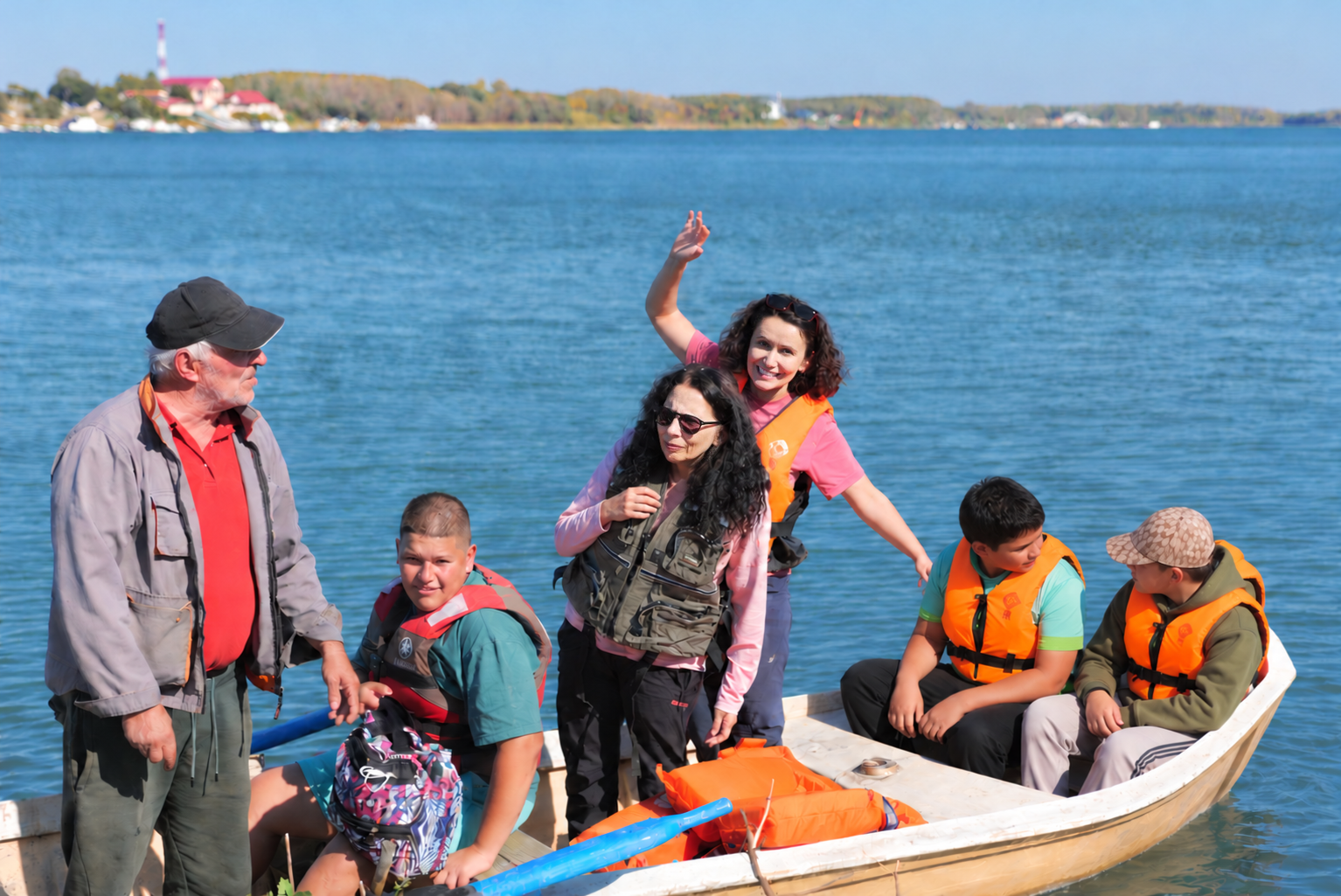
The event was attended by pupils from 8 to 10th grades at the “Dobrudzha” Vocational Agricultural School in Silistra who had the opportunity to learn directly from the researchers and familiarise themselves with scientific methods for studying the aquatic environment and biodiversity.
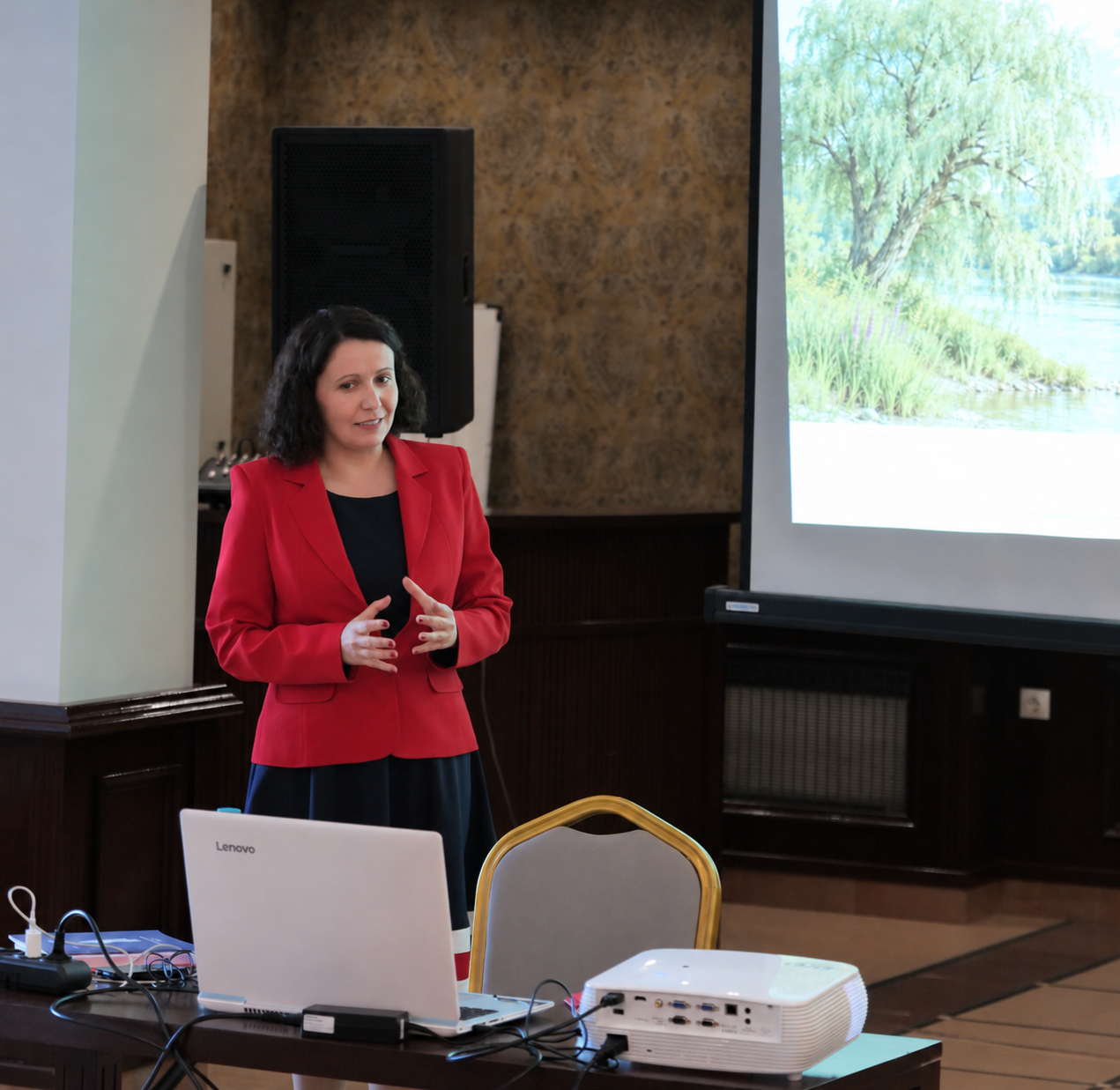
The scientific programme covered microplastic pollution and the spread of invasive alien species – major challenges facing the Danube ecosystems. Corresponding Member Dimiter Ivanov, project leader of DANUBE4all for Bulgaria, and Assoc. Prof. Teodora Trichkova presented the project’s objectives and its public significance. PhD student Nikola Bobchev familiarised the participants with the characteristics of microplastics and the problems associated with their presence in water bodies.
In her report “When species cross borders: invasive plants along the Danube”, Prof. Ina Aneva, Scientific Secretary of BAS in the “Biodiversity, Bioresources and Ecology” division, highlighted the biological characteristics of invasive alien plants, the mechanisms of their spread and their impact on riparian habitats. She also shared some fascinating scientific facts about individual species illustrating their ability to reproduce rapidly, adapt and colonise new territories as well as the composition of their secondary metabolites.
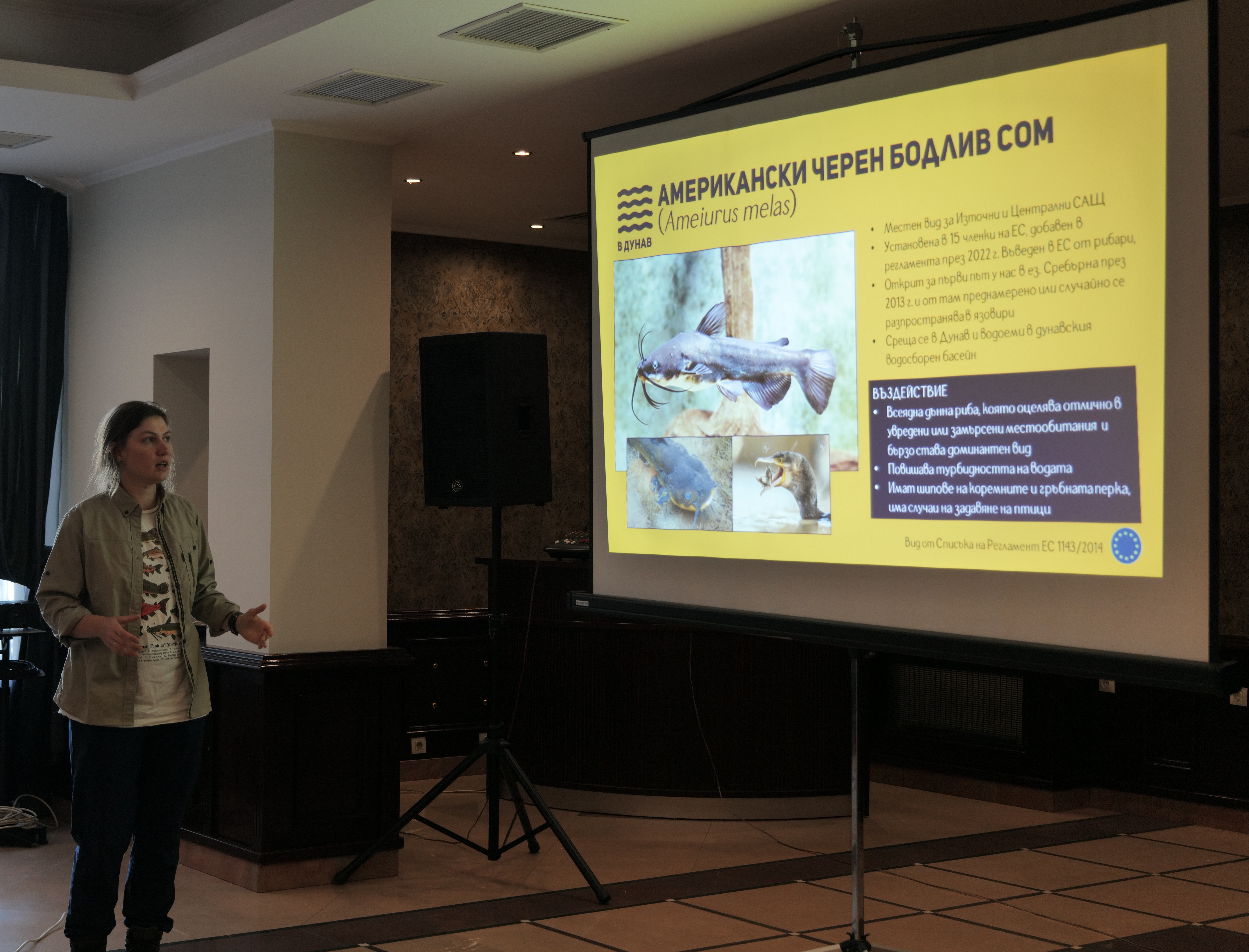
PhD student Polina Nikova outlined the threats posed by invasive alien animal species, providing the pupils with specific examples of fish and shrimp whose spread is having an adverse impact on local aquatic ecosystems. Through a visual presentation of these organisms and her engaging account of their biological characteristics and interactions with native species, she captured the pupils’ attention and sparked their interest in researching aquatic biodiversity.
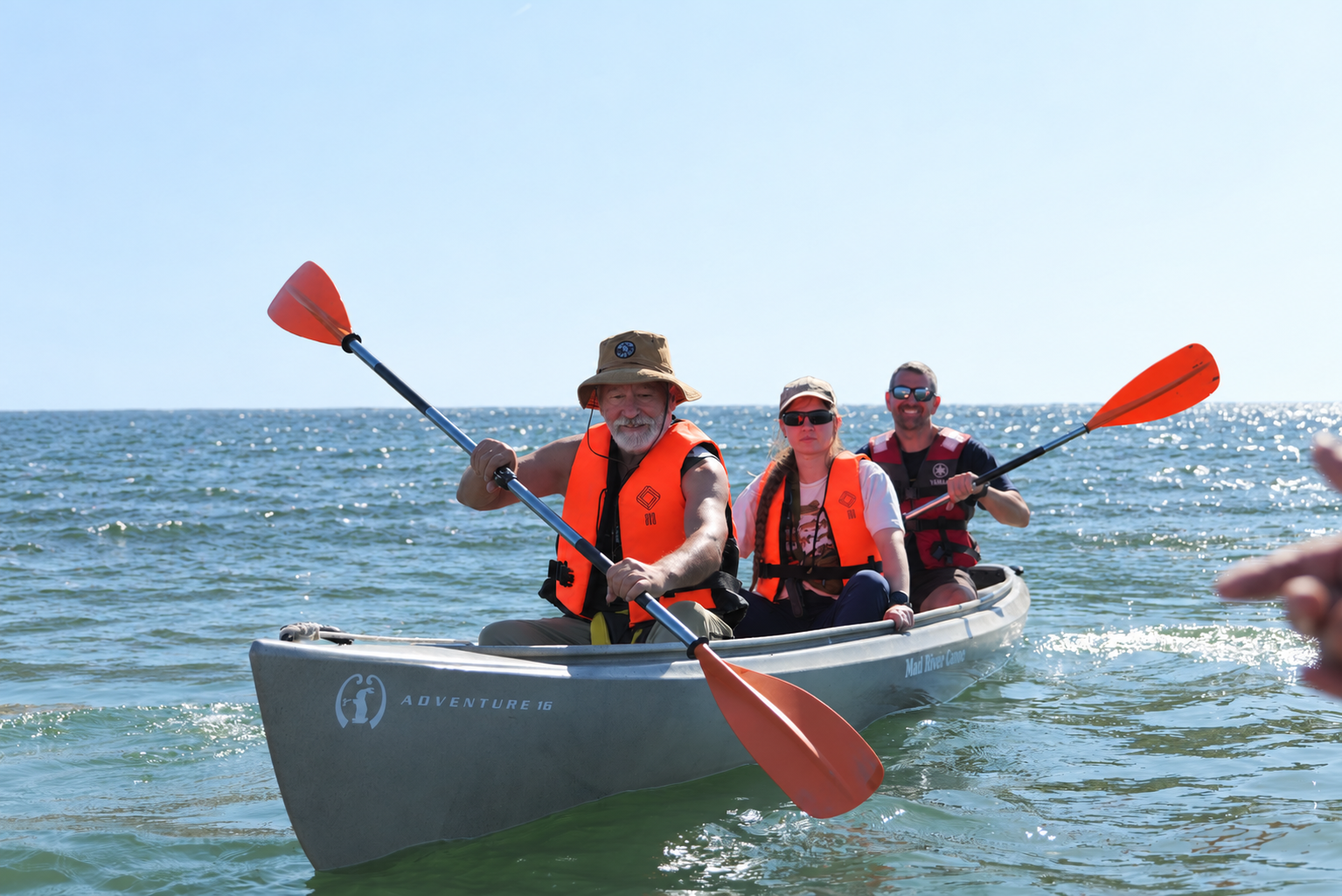
The activities continued in the field along the Danube. Under the guidance of the scientists, the pupils took part in collecting microplastic samples, describing and analysing the collected materials, and recording their observations via a mobile app. This hands-on work enabled them to trace the link between formulating a scientific question, collecting data and interpreting it.
The Danube Region Invasive Alien Species Network (DIAS) and the International Association for Danube Research (IAD) were also involved in organising the initiative.
The event provided an opportunity for the scientific knowledge and research experience of scientists from BAS to be shared with pupils through direct interaction and collaborative fieldwork. Further information on the project: www.danube4allproject.eu.