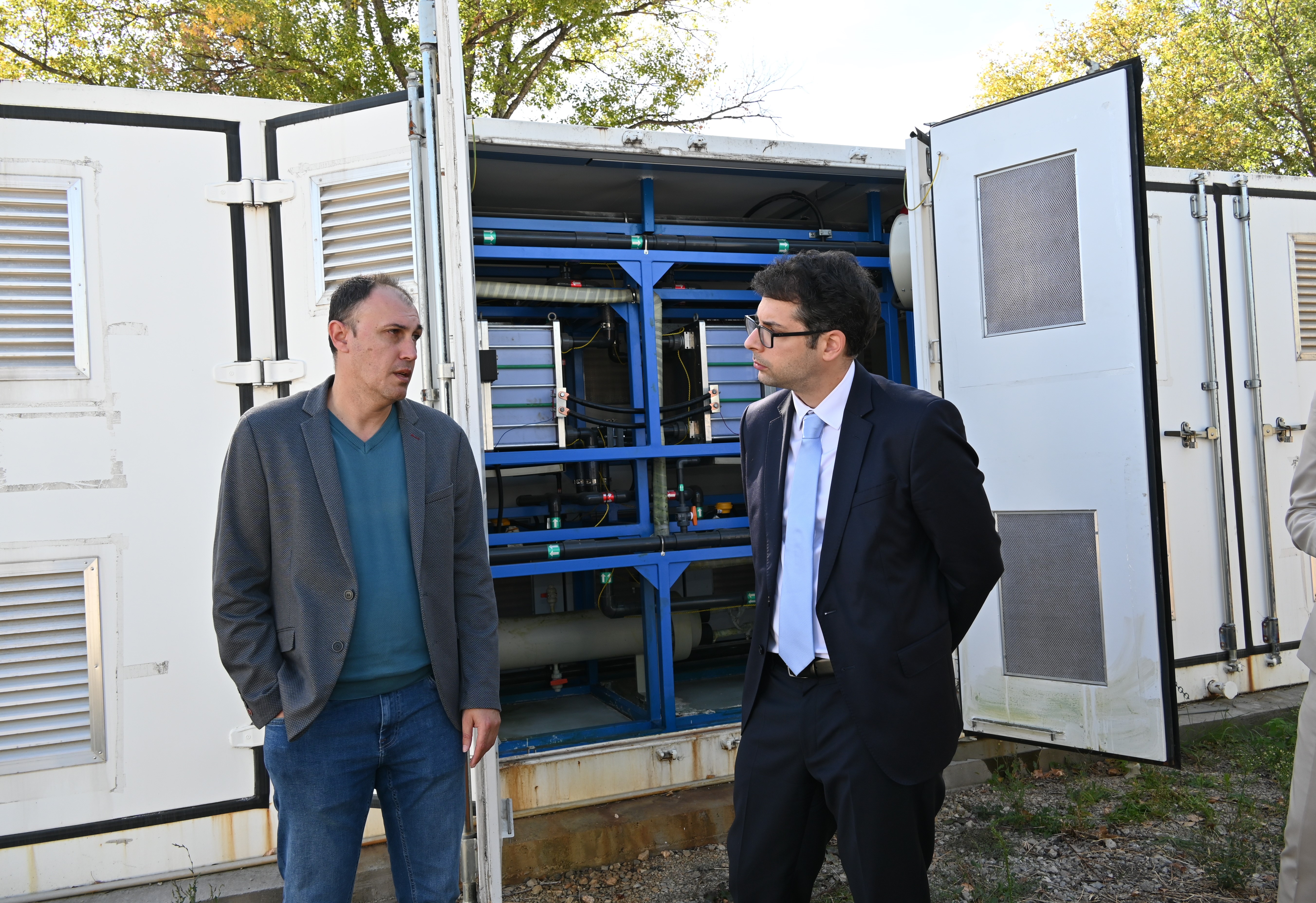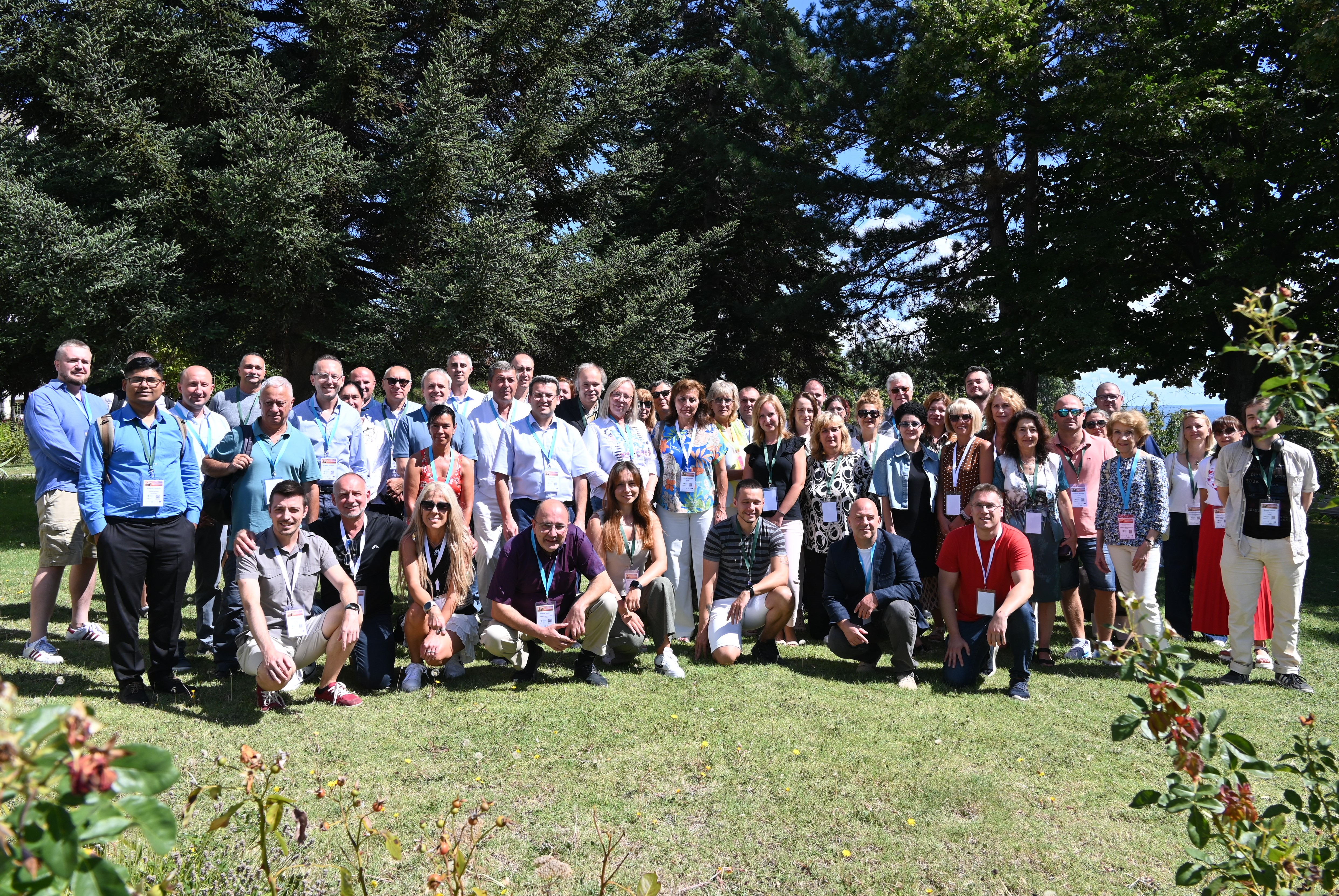

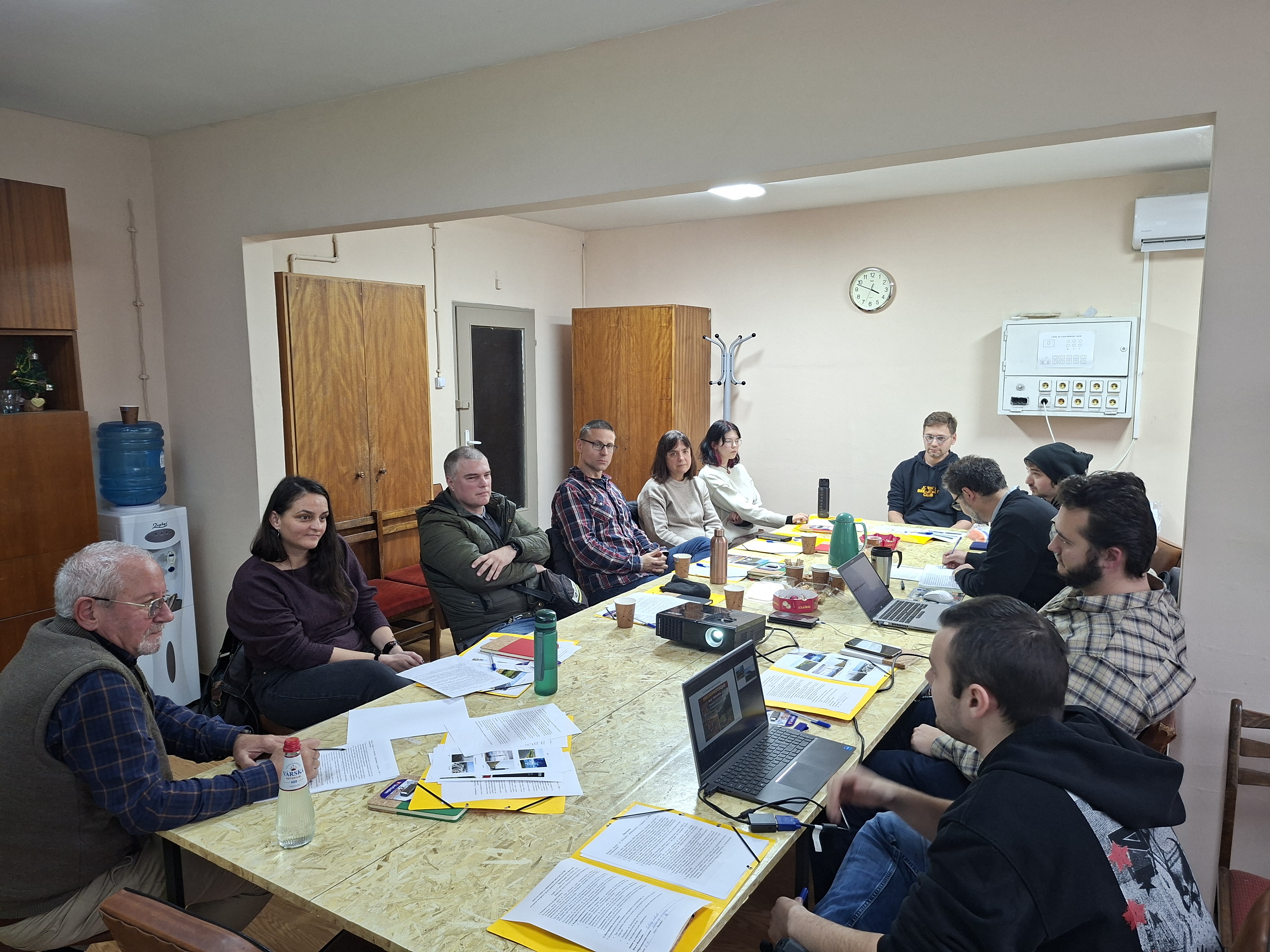
A discussion on the topic “Awareness, perceptions of renewable energy and disinformation amongst the young academic community” took place on 12 November 2026 at the Central Laboratory for Solar Energy and New Energy Sources of BAS (CL SENES – BAS). The discussion was attended by young researchers from institutes of the Academy – PhD students and engineers from the CL SENES, the Institute of Solid State Physics, the Institute of Electronics and the Institute of Biodiversity and Ecosystem Research at BAS. Key topics of discussion included the transition to renewable energy sources (RES), the influence of traditional and social media on attitudes towards green energy, the most common myths about RES, and mechanisms for fact-checking.
The participants agreed that photovoltaic panels and wind turbines were the most recognisable symbols of “green energy”, whilst solar and hydro power held the greatest real potential for Bulgaria. At the same time, the young specialists criticised the large-scale construction of major solar parks on fertile agricultural land and deforested hillsides. As a sustainable alternative, they highlighted rooftop photovoltaic installations for domestic use, building-integrated photovoltaics and agrivoltaics.
The young researchers are unanimous in their view that investment in renewable energy sources improves air quality, but they emphasise that, at national level, these cannot on their own meet the country’s winter energy demand. In their view, Bulgaria needs a balanced energy mix in which RES and energy storage technologies complement baseload capacity such as nuclear power. Urgent investment in the energy efficiency of the building stock is also required.
With regard to the information environment, the participants said that they avoided social media as a source of scientific data and took a critical view of sensationalist media reports. They distinguished between genuine engineering and environmental challenges (the impact on birds, river ecosystems and the recycling of old solar panels) and the manipulation driven by economic and lobbying interests.
The young scientists’ main conclusion is that a sustainable energy strategy and the fight against disinformation require a high level of literacy and the development of critical thinking and the habit of verifying information from multiple independent sources. Participants in the discussion expressed the view that transforming green policies from a short-term business interest into a long-term national priority is vital for society.
The discussion was part of the participation of CL SENES-BAS in a sociological study on the topic: “Awareness/misinformation regarding RES technologies – a sociological analysis of their role in the process of decarbonising the economy” organised by the Institute of Philosophy and Sociology at BAS (IPS-BAS).