
The Institute of Astronomy with NAO – BAS marks its anniversary with new telescopes and major scientific projects
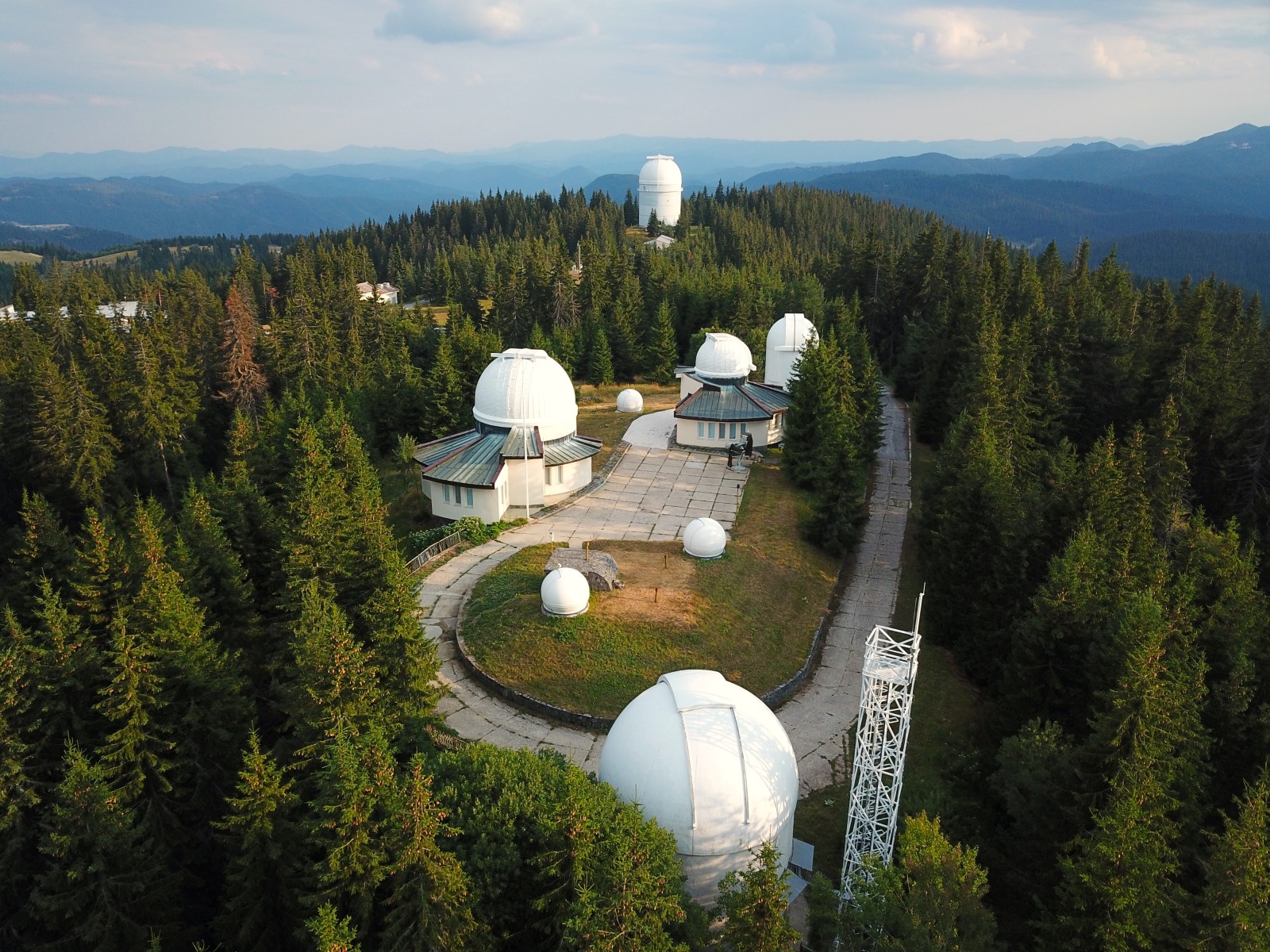
The Rozhen National Astronomical Observatory (NAO) at the Institute of Astronomy of BAS officially opened its doors on March 13, 1981. It is located in the central part of the Rhodope Mountains, at an altitude of 1,750 meters. The site was chosen for its remoteness from populated areas, clean air, low light pollution, and the large number of clear nights throughout the year. The observatory is open to visitors from March to October, and approximately 15,000 Bulgarians and foreign nationals visit it annually. It is accessible not only by car but also via forest trails marked on the European hiking map as Route E-8.
Over the decades, the Rozhen NAO has maintained its status, established at the time of its founding, as the largest astronomical complex in Southeast Europe. Its construction was the result of the most significant and to this day the only one-off investment in scientific infrastructure in Bulgaria. At its opening, the observatory was equipped with several main telescopes: a 2-meter reflector, one of the largest in Europe; a 50/70-cm Schmidt telescope; and a 60-cm Ritchey-Chretien telescope. Subsequently, a 30-cm telescope for visitor use and a 30-cm telescope for observing active solar phenomena were delivered.
The observatory’s latest acquisitions are a 1.5-meter robotic telescope with a Ritchey-Chretien optical system (since July 2023) and an 80-centimeter Ritchey-Chretien telescope (since late 2025, currently in a testing phase) for observing variable stars, quasars, and small bodies in the Solar System.
By the end of 2026, construction is expected to be completed of the first station in Bulgaria and Southeast Europe of the unique pan-European LOFAR radio telescope for professional radio observations of deep space and solar activity.
The NAO conducts astronomical observations at a world-class scientific level: it studies the nature of quasars (the most distant observable objects in the universe); the structure and star formation in nearby galaxies; supernovae; star clusters in the Milky Way; the specific behavior of many classes of variable stars; magnetic stars; comets and asteroids; the characteristics of the quiet and active Sun; and many others.
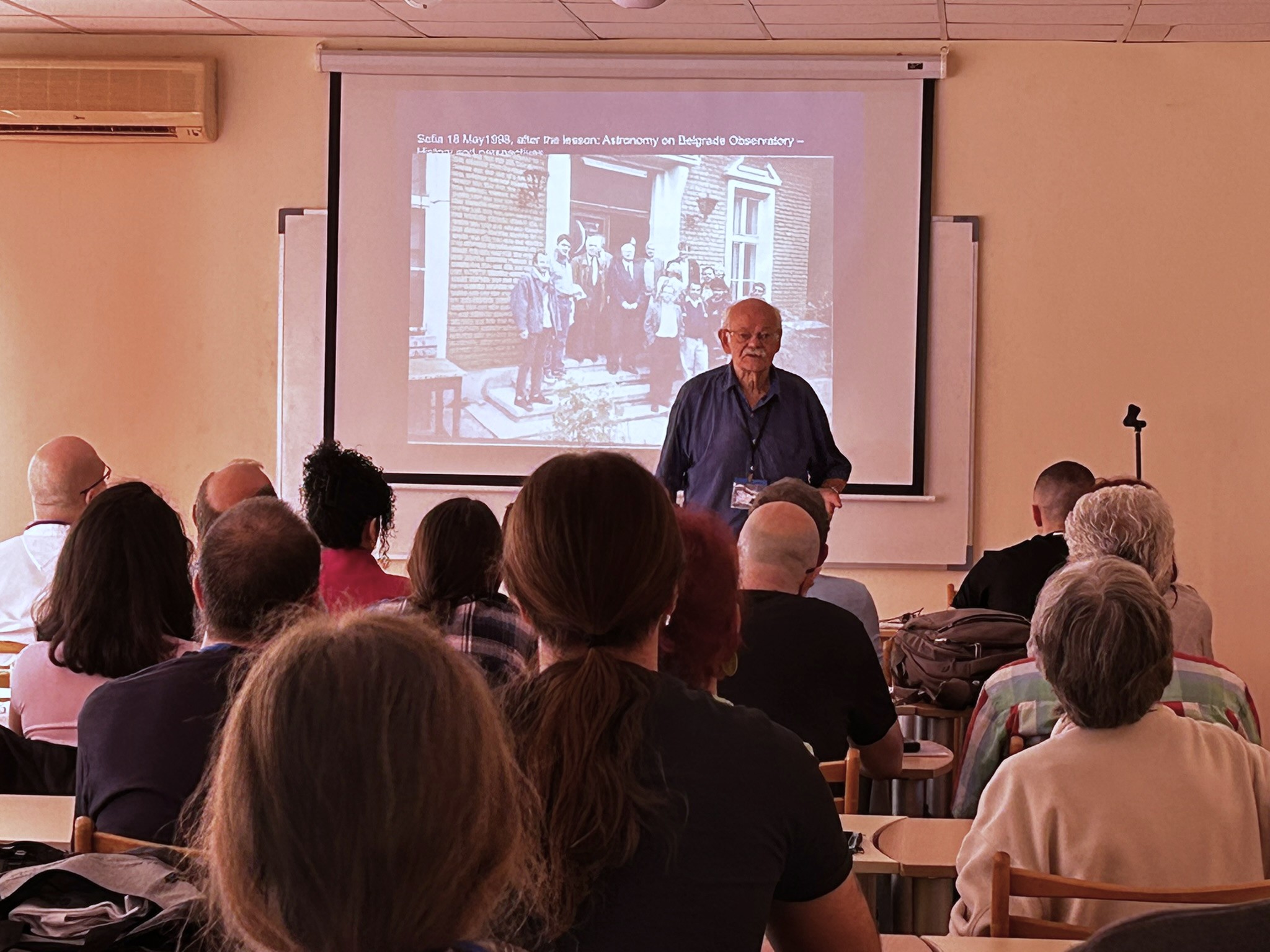
The research conducted by Bulgarian scientists at the NAO Rozhen Observatory has resulted in numerous publications in prestigious scientific journals and presentations at authoritative conferences, many of which have been carried out in partnership with leading international astronomical institutions. The observatory hosts various scientific conferences with international participation, training programs, and summer camps for astronomers. With the latest and most advanced instruments and through partnerships with scientists from around the world, NAO Rozhen is continually expanding the scope of its professional activities in the field of astronomy.