
Scientists at the Institute of Oceanology (IO – BAS) are working on over 50 national and international projects funded across a wide range of fields through European programs and funds. In addition to the European Commission’s Horizon 2020 program, projects are also funded by the European Small and Medium-sized Enterprises Executive Agency, INTERREG, and others. This activity is part of the institute’s extensive research work which encompasses monitoring, assessment, and conservation of the marine environment.
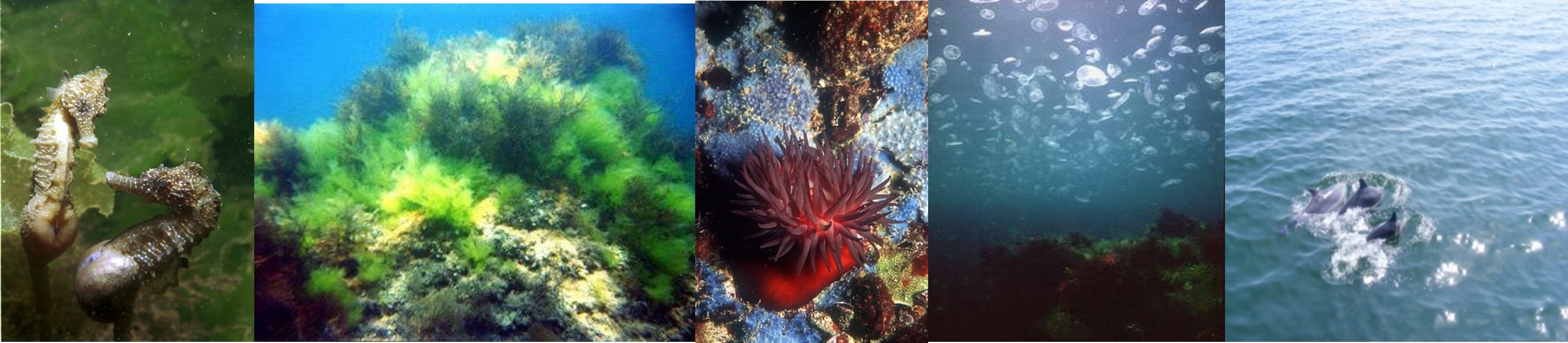
The Institute is highly open to working in international teams; over the past two years, the IO-BAS has solidified its position as a leading research center in the Black Sea basin, focusing on climate change, studying the dynamics of biodiversity in the Black Sea, and seeking answers to the causes of these changes, real-time monitoring, and the use of ARGO floats which is the “gold standard” in modern oceanography as it allows for tracking changes at depth, transmitting data on temperature, salinity, and the digitization of the marine environment.
Bulgaria remains a member of the European research infrastructure consortium for ocean observation, EURO-Argo ERIC, which it joined in 2018. The consortium comprises 14 countries: 12 member states and 2 observers and holds the status of a European Research Infrastructure Consortium (ERIC). Bulgaria is represented in it namely by the Institute of Oceanology.
One of the latest projects on which scientists from the institute are working is called “Network for Monitoring Non-Invasive Reef Fish Species in the Black Sea (WatchReefFish),” whose main goal is to create, standardize and improve a transboundary network for the non-invasive monitoring of fish (native and non-native) in the Black Sea’s reef ecosystems. The project aims to improve and conserve biodiversity and propose new marine protected areas (MPAs) by increasing understanding of reef fish biodiversity, promoting sustainable management practices, and fostering standardized positive changes in the assessment, conservation, and management of fish resources.
Another interesting project: BLISS, the “Black Sea Initiative for Sturgeon Sustainability” focuses on the conservation and sustainable management of sturgeon populations in the Black Sea. Within its framework, studies will be conducted in the Danube River as well as in other rivers that serve as key habitats for spawning and the survival of sturgeon species in the Black Sea. This is being done to assess the current state of factors that negatively impact sturgeon sustainability as well as opportunities for rehabilitation and restoration. Additionally, accidentally caught sturgeons will be tagged using satellite and acoustic tracking devices.