
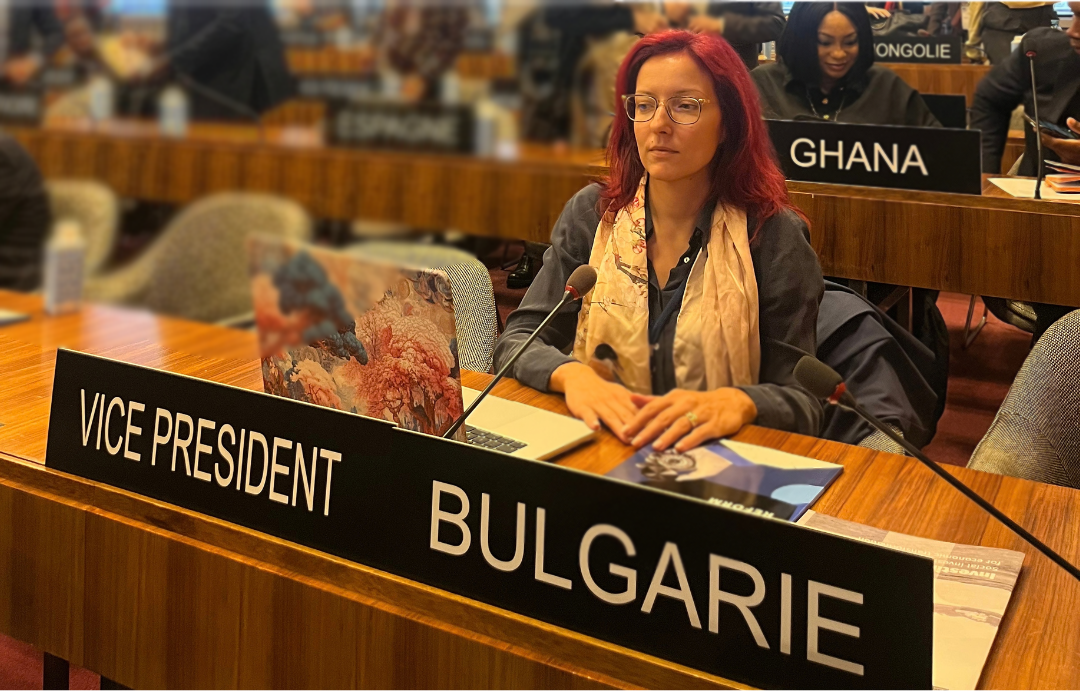
Assoc. Prof. Lyuba Spasova, PhD, from IPS of BAS and Vice-President of the MOST Intergovernmental Council, represented Bulgaria at the Social Transformations Week at UNESCO.
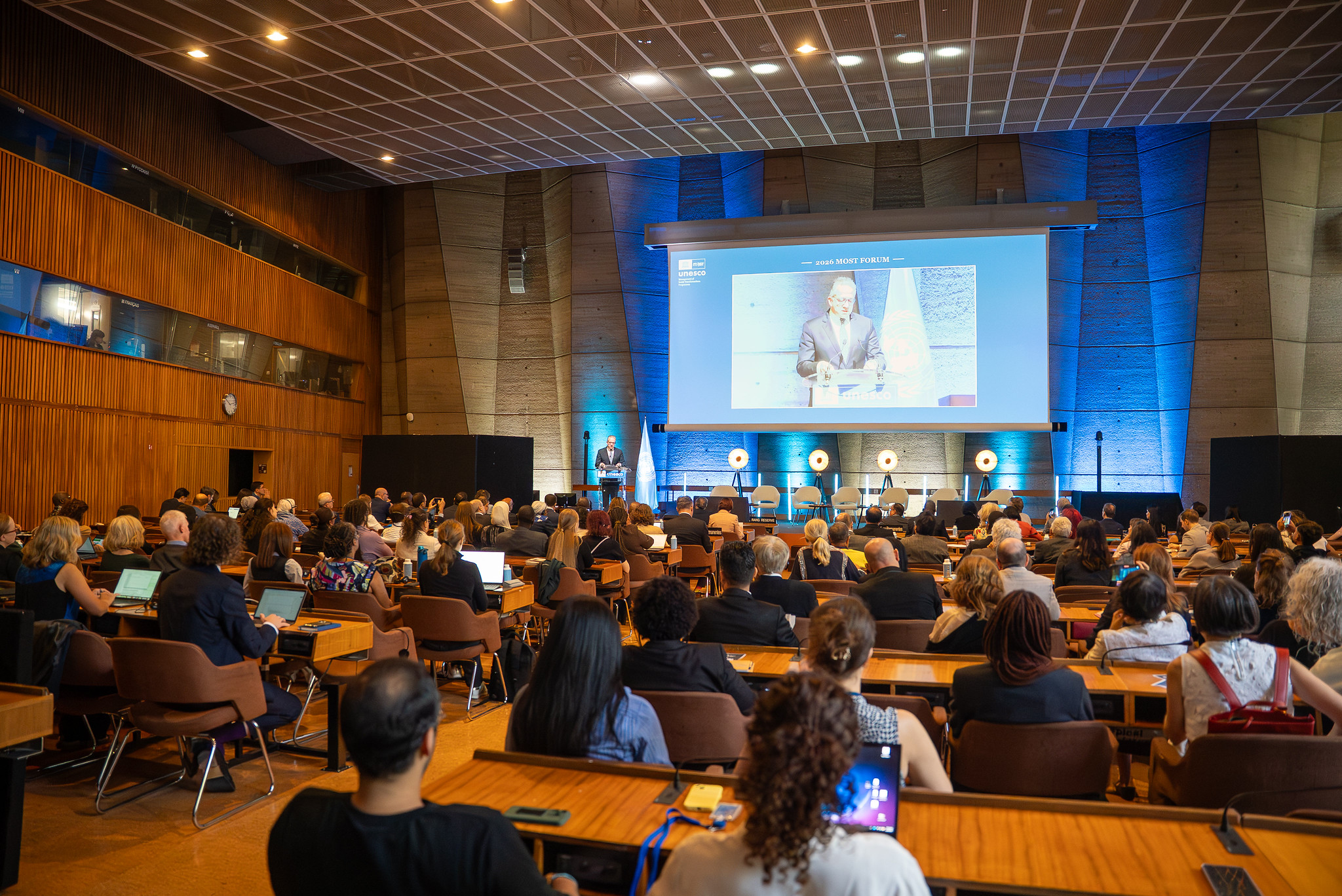
The Social Transformations Week, organised by the Management of Social Transformations (MOST) Programme, took place at UNESCO headquarters in Paris from 29 September to 2 October. Bulgaria participated through Assoc. Prof. Dr Lyuba Spasova from the Institute of Philosophy and Sociology at BAS who represented the country and the region in her capacity as Vice-President of the programme’s Intergovernmental Council (IGC). The Council was established in 1994 and comprises 35 member states elected by the UNESCO General Conference. It sets the priorities for MOST and strengthens the link between research in the social sciences and humanities and public policy. Bulgaria holds the vice-presidency of the Council’s Bureau for the period 2025–2027.
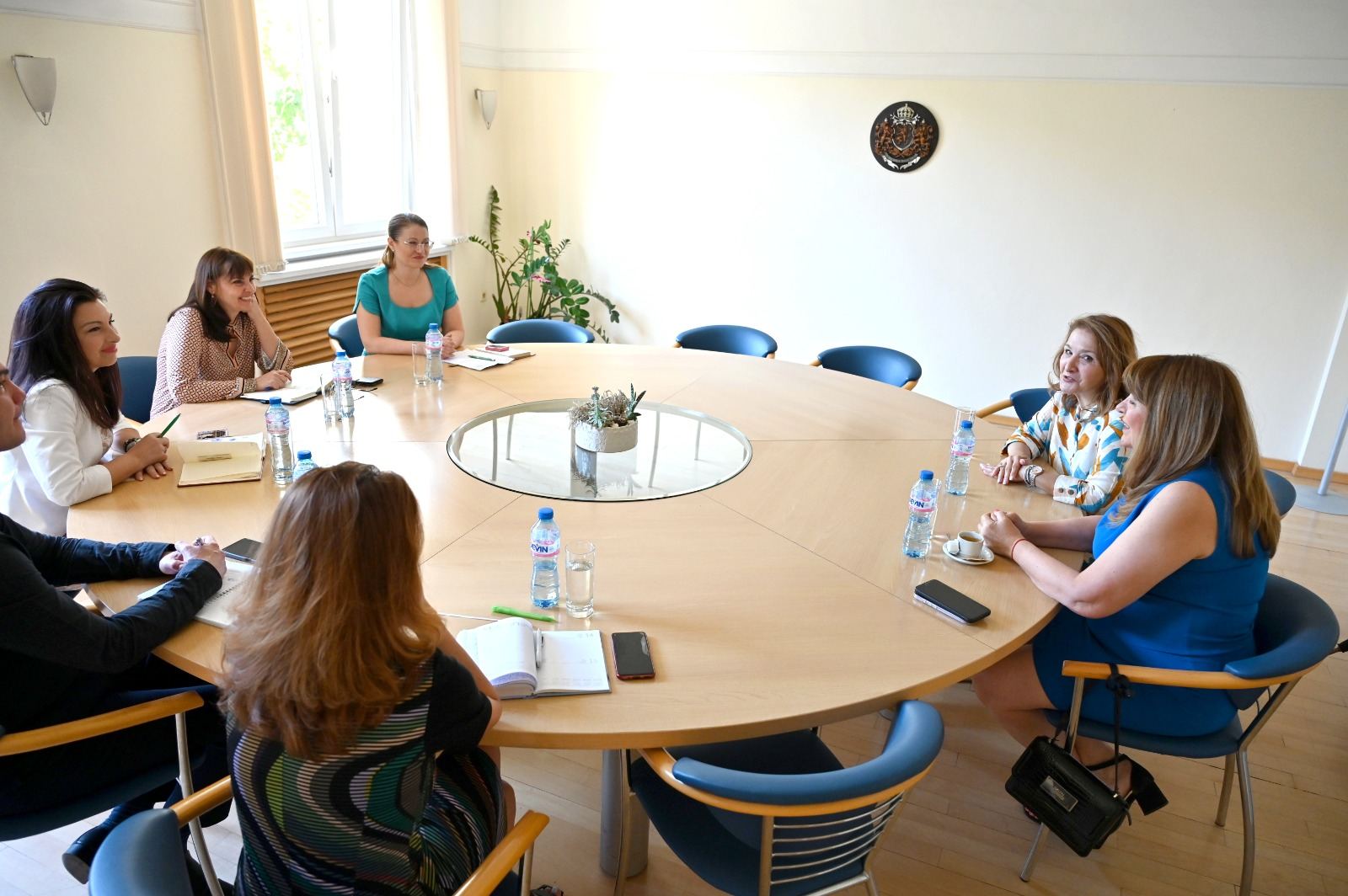
The central theme of the MOST Forum on 29 September was the expansion of the evidence base for public policies through the integration of foresight, humanitarian knowledge and the knowledge of indigenous communities. The Global Anticipatory Policy Coalition and the UNESCO-MOST BRIDGES Coalition’s Manifesto and Framework were presented, highlighting the role of the humanities in governance processes. Ministers and experts from various countries shared practices on institutionalising foresight capacities, whilst a separate panel was dedicated to the economic rationale for social investment. During the day, Assoc. Prof. Spasova met with senior representatives of UNESCO and MOST, with delegates to the Council, and with Bulgaria’s Permanent Delegate to UNESCO.
On 30 September, Assoc. Prof. Dr Lyuba Spasova took part in the BRIDGES Coalition event at which the Manifesto, the Policy Framework and the Toolkit for integrating humanitarian expertise into sustainability policies were presented as well as in the “Create the Change: Pre-policy Precepts and Practices” workshop.
At the extraordinary session of the Intergovernmental Council on 1 October, discussions centred on the programme’s development, the presentation of the BRIDGES tools, the support of MOST for public policies (including in collaboration with the European Union and the La Caixa Foundation) and field implementation for the period 2025–2027. Assoc. Prof. Spasova took part in the discussion delivering a statement and making comments on behalf of Bulgaria.
The week concluded on 2 October with the “Focus on Africa” session dedicated to the new volumes of the General History of Africa and to the report “Investing in People: Social Investment in the Context of Demographic Transitions in Africa”.
Assoc. Prof. Spasova’s participation as Vice-President of the Council reinforces the position of Bulgaria and Bulgarian academia in international cooperation on social sciences and policies.